

thoughts from the studio and field
The following posts reflect our process, inspiration, and lessons learned as we design and install landscapes and watch them develop each season.
Summer Inspiration Starts OutsideBring That Feeling Home This Fall
A beautiful landscape starts with a vision—not a plant list. Learn how Union Landscape Design helps homeowners plan colorful, low-maintenance landscapes by making the design process approachable, transparent, and tailored to every budget and project size.
August has a way of reminding us why we love being outside.
Whether you're spending weekends down the Shore, exploring the mountains, visiting a national park, or simply enjoying a quiet evening in your own backyard, this is the season when landscapes invite us to slow down, spend time together, and appreciate the beauty around us.
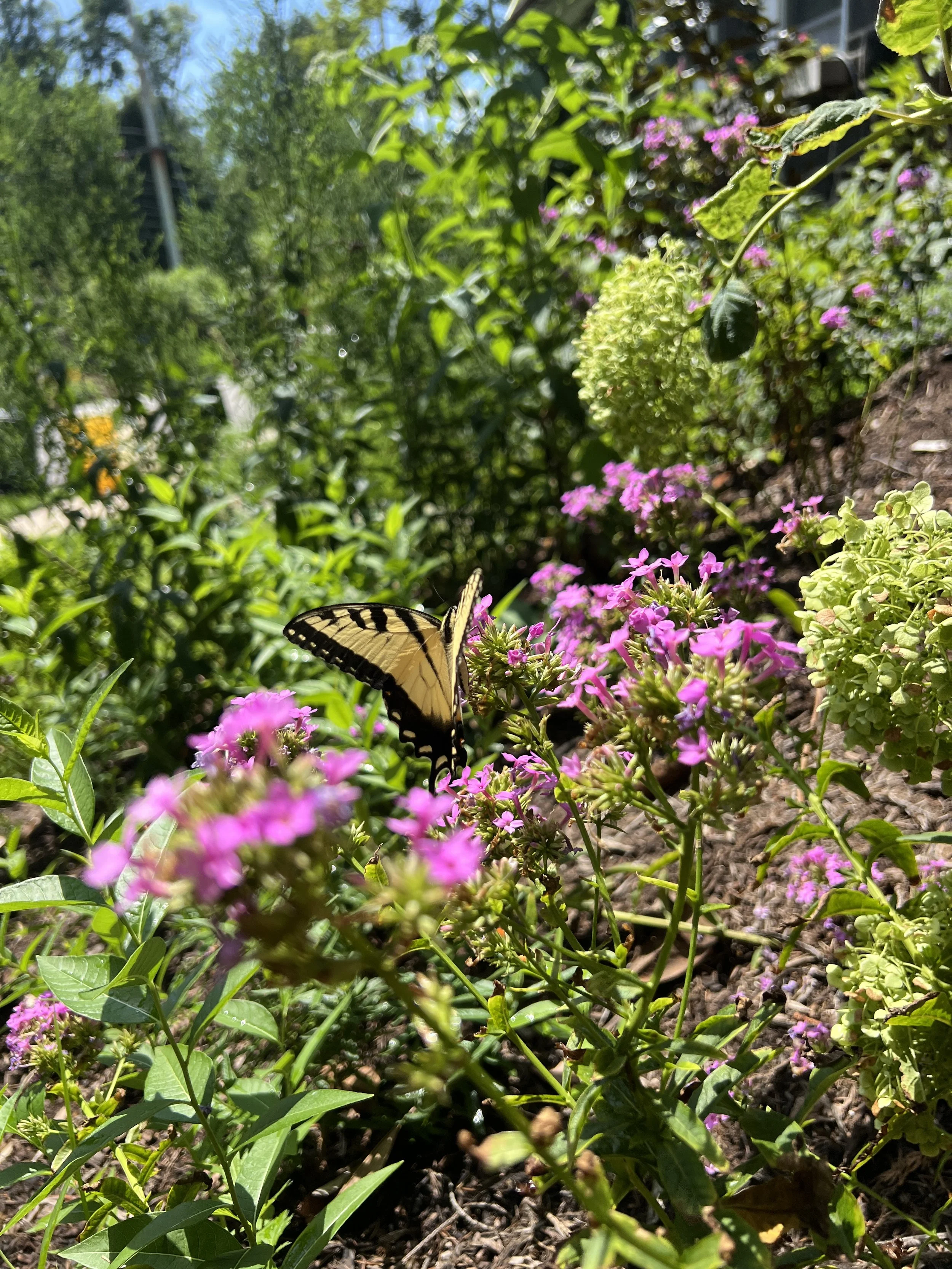
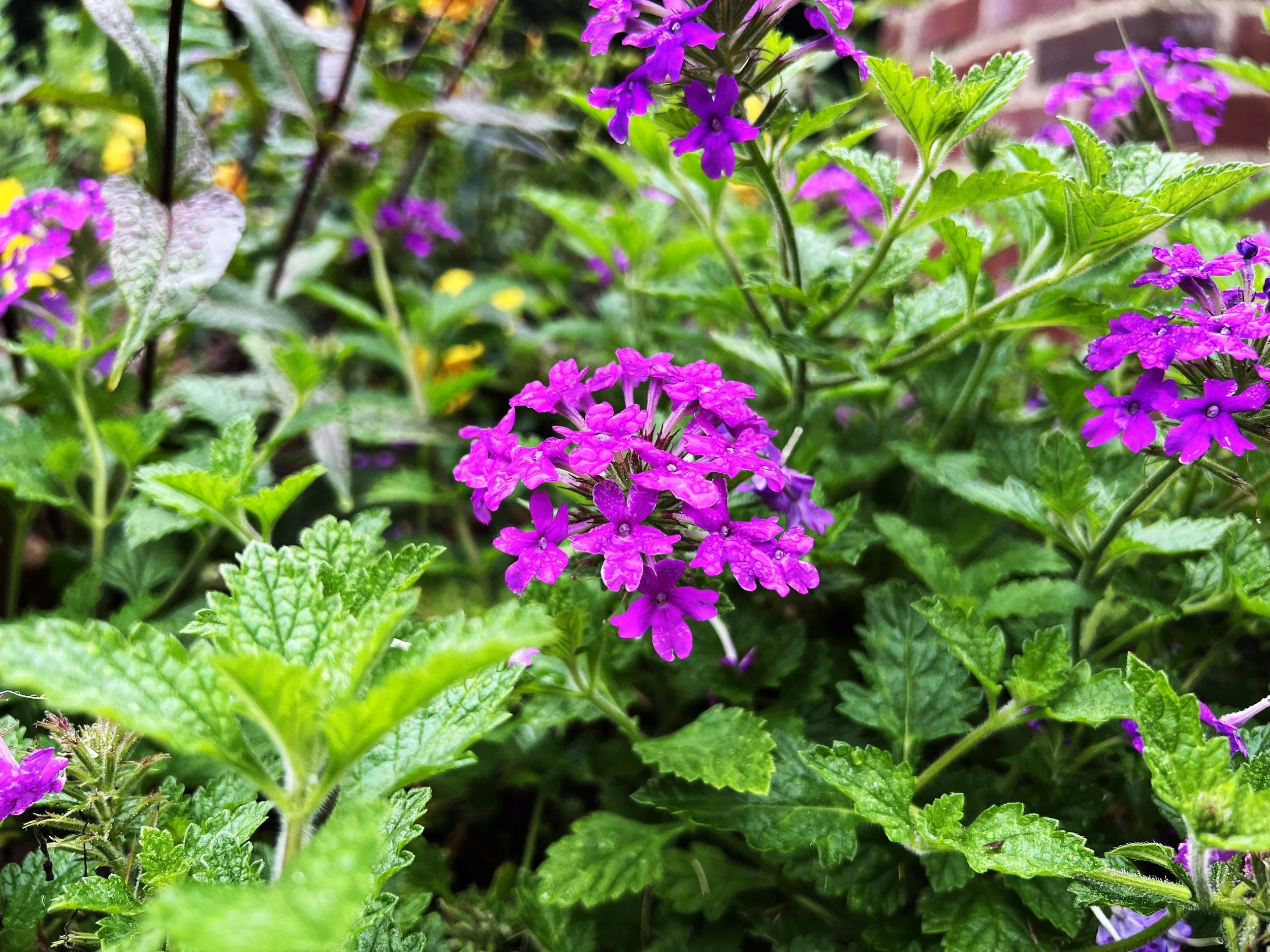
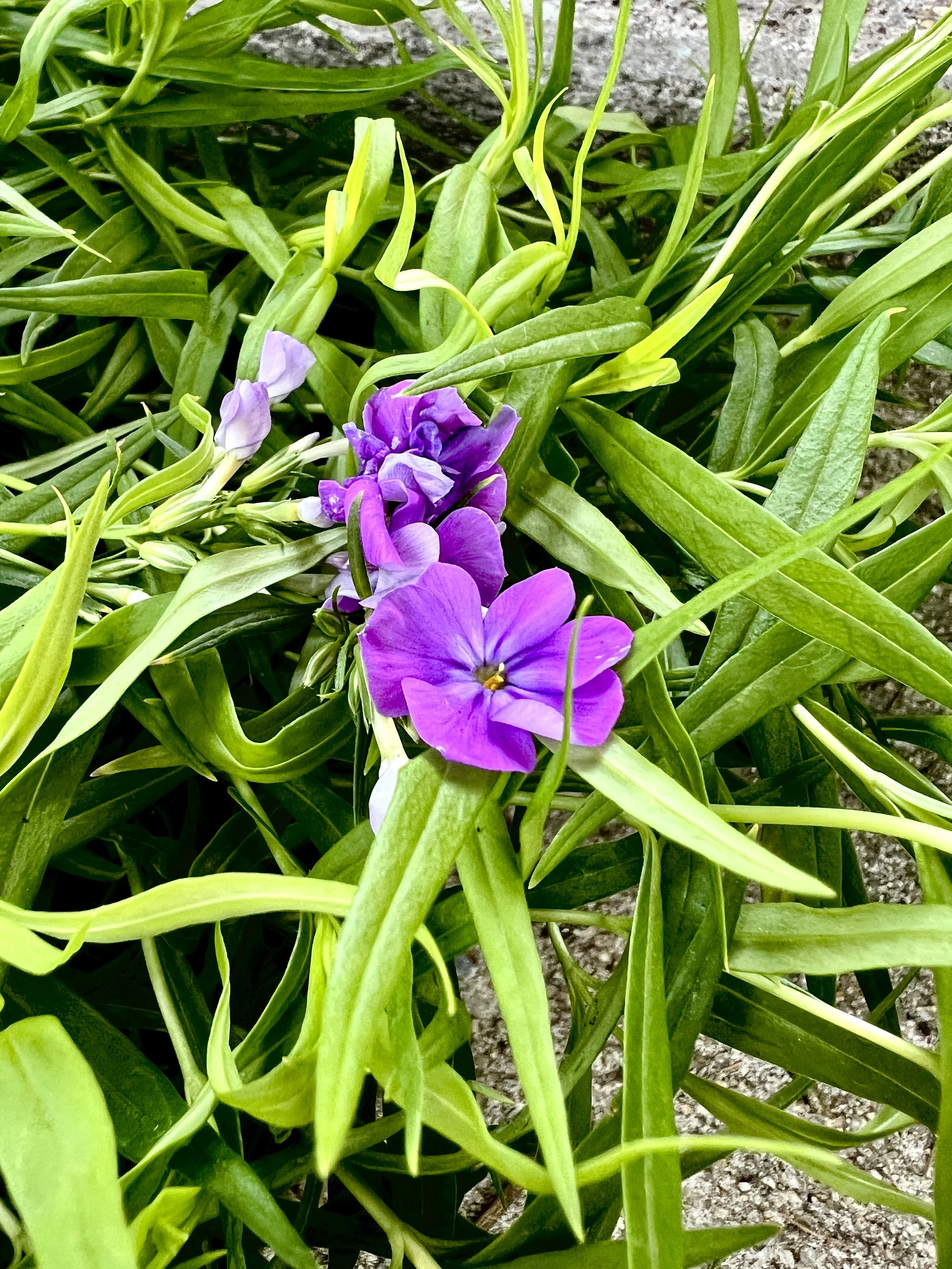
Our gardens across the Main Line and down the shore are in full bloom right now, and it's one of our favorite times of year. White Hydrangeas are lighting up the landscape, Purple Coneflowers yellow Black Eyed Susans and 'Jeana' Phlox are buzzing with pollinators, Blazing Star is reaching its peak, and native grasses are beginning to add the soft movement that makes late summer gardens feel so alive.
As you're out enjoying the rest of the season, keep an eye out for the landscapes that catch your attention. You might find inspiration in places you don't expect.
Maybe it's the way beach grass sways in the breeze and blends effortlessly into Bayberry along the dunes. Maybe it's the colorful gardens surrounding a beautiful home on the Main Line. Or perhaps it's a hike through the mountains, where layered woodlands and open meadows remind you how peaceful a natural landscape can feel.
Those moments are worth paying attention to. They're often less about specific plants and more about the feeling a landscape creates. Maybe it's calm. Maybe it's colorful. Maybe it's the sense that everything belongs together. That's exactly what thoughtful landscape design is meant to do.
One of the things we enjoy most is helping homeowners capture those feelings and translate them into a landscape that fits their own home. You don't have to live on the beach to enjoy the texture of native grasses or the soft, relaxed character of coastal plantings. You don't need acres of woodland to create a garden that feels natural and welcoming. Good design takes the inspiration you love and shapes it into something that belongs in your landscape.
The other reason we love this time of year is that it naturally leads into the best planting season of the year. Many people assume landscaping winds down after summer. In reality, we're just getting started. While spring is often thought of as planting season, late summer and fall are some of the best times to install trees, shrubs, and especially native perennials. By the end of the growing season, plants have developed strong root systems and are beginning to prepare for dormancy. Instead of putting energy into producing new leaves and flowers, they're shifting their focus underground, establishing roots that will support healthy growth the following spring.
That natural rhythm is one of the reasons fall-planted landscapes often settle in so beautifully. The weather is typically more consistent, the soil is still warm from summer, and plants have months to establish themselves before next year's growing season begins. When spring arrives, they're ready to do what they were designed to do.
That's why we encourage homeowners to use the rest of the summer a little differently.
Enjoy your time outside. Visit the beach. Take a hike. Walk your neighborhood. Notice the gardens that make you slow down for a second look. Pay attention to the colors, textures, and places that make you feel at home. Then bring those ideas back with you.
If you've been thinking about refreshing your landscape, now is the perfect time to begin planning. Summer is for gathering inspiration. Fall is for putting that plan into action and those plants into the ground. Before you know it, spring will arrive, and instead of wondering what you should do with your landscape, you'll already be enjoying the results.
If this summer has inspired you to create a landscape that's more colorful, more inviting, or more connected to the places you love, we'd be happy to help. Explore our sample projects, see what's possible, and let's start designing a landscape you'll enjoy for years to come.
If you've been thinking about making the outside of your home as beautiful and welcoming as the inside, we'd love to help. Take a look through our sample projects and send us a message. We'll help you turn those ideas into a thoughtful plan that fits your lifestyle, your budget, and brings all of the excitement of a summer spent outdoors to your home.
Explore our Pricing Packages to see real examples and find the right starting point for your project.
— Union Landscape Design
Thinking About a Landscape Project? Let's Make It Feel Less Overwhelming
Every beautiful landscape starts with a plan, but that doesn't mean you need to have all the answers before getting started. In this guide, we explain how thoughtful landscape design helps homeowners turn ideas into a clear vision, realistic budget, and outdoor space they'll enjoy for years to come.
When homeowners reach out to us to explore options for their landscape, one of the dynamics we often hear is: "Our current setup isn’t working. We know we want to do something outside...we just don't know exactly what it is or where to start."
If that's how you’ve been feeling, you are not alone. Planning a landscape project isn't something most people do very often. It's your home, it's an investment that will grow over time, and there are a lot of decisions to make. It's completely normal to wonder what the process looks like, how much it might cost, or whether you'll make the right choices.
The good news is that you don't have to figure all of that out before reaching out to us In fact, helping homeowners work through those questions is one of the most rewarding parts of the work we do.
Many people assume that a landscape design needs to start with a clear vision of the exact aesthetic and plants they would like to see at their home, but that doesn’t need to happen until later in the design process. The real design work is understanding how you want to experience your property.
Do you want to feel welcomed every time you pull into the driveway? Would you love a front garden that's colorful from spring through fall and has lush textures to carry you through winter? Maybe you're hoping for a backyard where family naturally gathers, or a landscape that attracts butterflies and pollinators with native plants without demanding hours of your weekend spent on maintenance.
Those are the conversations that shape a great landscape. Once we understand how you want your home to feel, we can begin pulling together the right layout, plants and materials to create a landscape that fits your lifestyle. A thoughtfully designed garden can absolutely be colorful, full of seasonal interest, and surprisingly low maintenance. The design comes first. The plants simply help bring that vision to life.
One of the biggest things that keeps people from getting started is uncertainty. It's hard to commit to a project when you aren't sure what it will look like or what it might cost. We've removed as much of that uncertainty as possible.
If you've spent any time following us on Instagram, you've probably noticed that we don't just share finished photos. We like showing projects as they're being built and, just as importantly, how they grow and fill in over time. Landscapes are dynamic, and some of their best moments happen a year or two after installation.
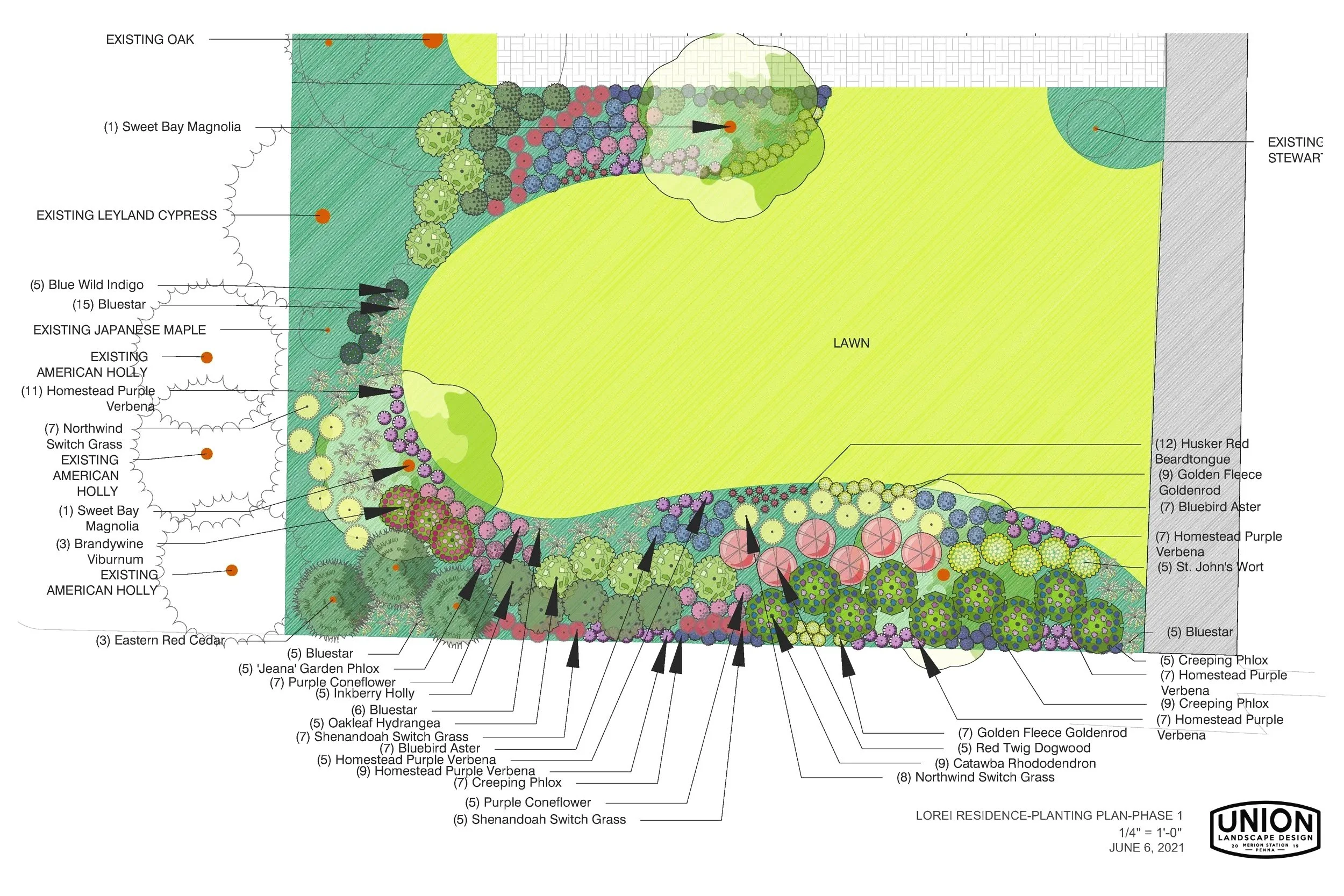
We've taken the same approach on our website. Instead of asking homeowners to imagine what a project might involve, we've created sample projects at a variety of sizes and investment levels. Whether you're thinking about a Small Garden Addition, a Medium Yard Transformation, a Large Landscape Renovation, or a Custom Estate Master Plan, you can see examples of what those projects look like before we ever meet.
Its similar to looking for a restaurant in a city you've never visited. Before you make a reservation, you probably look at a few photos, read the menu, check the atmosphere, and get a sense of the price range. You're not deciding exactly what you'll order, you just want to know if it feels like the right fit.
We think hiring a landscape designer should feel much the same way. Our project examples aren't meant to box your home into a category or sell you a package. They're simply there to help you get comfortable with the process. You can see different project scopes, understand how budgets relate to the work being done, and begin thinking about what feels right for your home.
By the time we have our first conversation, you're no longer starting with a blank page. You already have a sense of what's possible, and we can spend our time talking about your ideas instead of trying to explain how the process works.
At Union Landscape Design, we believe thoughtful landscape design should feel approachable. Whether your goal is a more welcoming front entrance, a colorful native garden, greater privacy, or a complete transformation of your property, every project starts the same way—with a conversation about how you want to enjoy your home.
If you've been thinking about making the outside of your home as beautiful and welcoming as the inside, we'd love to help.
Take a look through our sample projects, see what inspires you, and when you're ready, send us a message. We'll help you turn those ideas into a thoughtful plan that fits your home, your lifestyle, and your budget.
Explore our Pricing Packages to see real examples and find the right starting point for your project.
— Union Landscape Design
After a Wild Week, It's the Perfect Time to Reimagine Your Landscape
After last week's storms and smoky skies, many homeowners are taking a fresh look at their landscapes. Summer is the perfect time to evaluate what’s thriving, identify opportunities for improvement, and create a plan for fall planting. Discover why late summer and fall are ideal for installing native plants that provide year-round beauty, support birds and pollinators, and create a welcoming landscape you'll enjoy next spring.
Last week was certainly one to remember.
From the powerful microburst that swept across the Main Line on Saturday to the smoky skies drifting south from the Canadian wildfires, spending time outdoors looked very different from one day to the next.
Thankfully, this week feels like a return to the best parts of summer. Temperatures are more comfortable, rain is in the forecast, and our landscapes are responding beautifully.
For gardens across the Philadelphia Main Line, this is one of the most rewarding times of the year.
Summer Gardens Are at Their Best
The heat and humidity of summer have pushed tremendous growth over the past several weeks. Landscapes are lush, colorful, and full of life.
Some of our favorite native plants are now reaching their peak, including:
White Hydrangeas like Annabelle and Incrediball
Purple Coneflower (Echinacea purpurea)
Orange Butterfly Milkweed (Asclepias tuberosa)
Purple Blazing Star (Liatris spicata)
Pink 'Jeana' Garden Phlox
Broadleaf Bluestar (Amsonia tabernaemontana 'Grande')
Golden Fleece Goldenrod
Switchgrass 'Shenandoah'
Together, they create a tapestry of blooms, foliage, movement, and texture that changes throughout the season while providing valuable habitat for birds, butterflies, bees, and other pollinators.
This is exactly what a thoughtfully designed native landscape is meant to do.
Every Landscape Tells a Story
The recent storm certainly left its mark. Across Merion, Narberth, Wynnewood, and many surrounding neighborhoods, mature trees and large branches came down, changing some landscapes from deeply shaded gardens to spaces that now receive full sun.
If your property escaped significant damage, that's wonderful news.
It also means you have the opportunity to step back and see your landscape exactly as it performs during the height of the growing season.
Summer has a way of revealing what spring sometimes hides.
Now is the time to ask yourself:
Does your landscape provide enough privacy from neighboring homes?
Does all of the color arrive in April and May, only to disappear by July?
Do the plantings feel pieced together rather than thoughtfully designed?
Does your front yard create the welcoming first impression you'd like for family and guests?
Are there portions of your lawn that could become beautiful planting beds filled with native plants for birds, bees, and butterflies?
If you answered "yes" to any of those questions, you're not alone.
More importantly, now is the perfect time to begin imagining what's possible.
Fall Is One of the Best Times to Plant
Although many people think of spring as planting season, late summer and fall are actually among the best times to install trees, shrubs, perennials, and native plants.
Unlike annual flowers and vegetable plants that complete their life cycle in a single season, perennials return year after year. As temperatures begin to cool, they naturally shift their energy away from producing flowers and foliage and toward building strong, healthy root systems.
That underground growth continues long after the leaves begin to slow down above ground.
By next spring, those well-established roots are ready to support vigorous new growth, healthier plants, and better flowering.
Fall planting works with nature rather than against it.
Better Plants, Better Conditions
There are practical advantages to fall planting as well.
After spending the growing season in the nursery, plants have developed larger, stronger root systems and are ready for installation. Soil temperatures remain warm enough to encourage root growth while cooler air temperatures reduce stress on newly planted landscapes.
Instead of racing against unpredictable spring weather and limited plant availability, fall offers consistent planting conditions and an opportunity to establish your landscape before next year's growing season begins.
Dream Now. Enjoy It Next Spring.
One of the best parts of landscape design is that it begins long before the first shovel goes into the ground.
It begins with looking at your landscape honestly.
What feels cluttered?
What feels unfinished?
What areas aren't being used to their full potential?
How could your outdoor spaces better reflect your home and the way you enjoy it?
Whether you're hoping to improve curb appeal, create more privacy, add four-season color, replace underutilized lawn with beautiful native plantings, or simply make your home feel more welcoming, this is the season to start planning.
At Union Landscape Design, we believe the best landscapes combine timeless design with plants that thrive in our region. By using native plants thoughtfully—through repetition, layering, structure, and seasonal interest—we create landscapes that are organized, elegant, low-maintenance, and alive with birds, butterflies, and pollinators.
If you're looking around your landscape this summer and feeling like it could do more—more beauty, more function, more color, or more enjoyment—don't wait until spring.
Now is the time to dream, develop a plan, and prepare for a fall installation.
Your future spring landscape starts with the decisions you make today.
Contact us today to schedule your consultation, and let’s start planning your perfect outdoor retreat.
Explore our Pricing Packages to see real examples and find the right starting point for your project.
— Union Landscape Design
Summer Is the Perfect Time to Plan Your Fall Landscape Refresh
Summer is the perfect season to step back and evaluate your landscape. See which plants are thriving, identify areas that need improvement, and create a plan for fall planting. Learn why fall is one of the best times to install perennials, shrubs, trees, and native plants that will establish strong roots and reward you with a healthier, more beautiful landscape next spring.
By now, spring's excitement and planting has settled in. The plants that are thriving are easy to spot. So are the ones that never quite lived up to expectations. Empty spaces become more noticeable, existing shrubs may have outgrown their location, and areas that seemed like a good idea a few years ago might not fit the way you use your outdoor space today…especially after last weekend’s storm and trees coming down throughout the Main Line.
While many people think of spring as the season for landscaping, summer is actually one of the best times to evaluate your landscape and make a plan for meaningful improvements this fall.
Let Your Landscape Tell You What It Needs
The heat and humidity of a Philadelphia summer promote lush growth that reveals a lot about your landscape.
This is when you'll notice:
Beds that have become overcrowded.
Plants that struggle every summer.
Areas that dry out too quickly.
Spaces that feel empty after spring flowers fade.
Views that could use more structure or year-round interest.
Places where you'd like more privacy or shade.
Areas that simply don't feel inviting anymore.
Rather than rushing to replace plants in the middle of summer, take note of what you're seeing. Walk through your property in the morning, afternoon, and evening observing different light and temperature conditions. Look out your windows. Think about how you use each space and how you'd like it to feel.
A thoughtful landscape begins with thoughtful observation.
Why Fall Is One of the Best Times to Plant
One of the biggest misconceptions in gardening is that spring is the only time to install new plants.
In reality, fall is one of the very best seasons for planting perennials, shrubs, trees, and especially native plants.
Unlike annual flowers or vegetable plants that complete their life cycle in a single growing season, perennials return year after year. As temperatures begin to cool and days become shorter, these plants naturally shift their energy away from producing leaves and flowers and toward developing strong, healthy root systems.
That root growth continues well into the fall, even after the tops of many plants have gone dormant.
By the time spring arrives, those well-established roots are ready to support vigorous new growth, giving plants an excellent start to the season.
Native Plants Thrive with Fall Planting
Many native plants are especially well suited to fall installation because they're naturally adapted to our local climate.
A fall-planted native garden has months to establish before next summer's heat arrives. That often means stronger growth, healthier plants, and less stress during their first full growing season.
Whether your goal is creating a pollinator garden, reducing maintenance, improving curb appeal, or supporting birds and butterflies, fall provides an outstanding opportunity to put those plans into action.
Now Is the Time to Make a Plan
If you've found yourself looking at your landscape this summer and thinking, "This could be so much better," you're not alone.
Maybe your foundation plantings have become overgrown.
Maybe there's a section of lawn that isn't serving a purpose.
Maybe your garden lacks color after May.
Or perhaps you've simply realized your landscape no longer reflects the way you want your home to look and feel.
Whatever the reason, now is the perfect time to begin planning.
Designing a landscape takes time. Choosing the right plants, organizing them into beautiful combinations, and creating a cohesive plan is much easier when you're not rushing to plant immediately.
By planning during the summer, you'll be ready to install during one of the best planting seasons of the year.
A Beautiful Spring Begins This Fall
One of the most rewarding parts of landscape design is seeing how thoughtful decisions today shape the seasons ahead.
The work you do this fall won't simply improve your landscape for a few weeks. It lays the foundation for healthier plants, fuller gardens, and a more beautiful property next spring and for years to come.
At Union Landscape Design, we believe the best landscapes don't happen by accident. They begin with a plan that considers how your home, your family, and your landscape work together.
If your landscape is showing you opportunities this summer, don't wait until next spring to start thinking about them. Use these warm months to evaluate what isn't working, imagine what's possible, and create a plan for fall planting.
When spring arrives, you'll be glad you did.
Contact us today to schedule your consultation, and let’s start planning your perfect outdoor retreat.
Explore our Pricing Packages to see real examples and find the right starting point for your project.
— Union Landscape Design
Native Landscape Design - Wild but not crazy: Beautiful Gardens for the Main Line
The recent storms across Merion, Narberth, Wynnewood, and the surrounding Main Line changed many landscapes overnight. Mature trees were lost, sunny gardens appeared where shade once dominated, and homeowners are now deciding how to rebuild. Learn how thoughtful native landscape design can transform storm-damaged properties into beautiful, organized, low-maintenance gardens that enhance your home while supporting birds, butterflies, and pollinators.
If you've spent any time reading about landscaping lately, you've probably heard a lot about native plants, pollinator gardens, ecological landscaping, and even replacing portions of your lawn with planting beds. It's a conversation that's growing across the Philadelphia Main Line, and for good reason.
For many homeowners in Merion, Narberth, Wynnewood, and surrounding Main Line communities, that conversation has taken on new meaning after the recent microburst on Saturday brought powerful winds, downed mature trees, and dramatically changed many landscapes.
Properties that were shaded for decades may now receive full sun. Garden beds that once struggled beneath tree canopies suddenly have entirely different growing conditions. While losing mature trees is never easy, rebuilding your landscape also presents an opportunity to create something beautiful, resilient, and better suited to the way your property looks and functions today and moving forward.
The big-picture goal remains the same: create landscapes with more space for plants that naturally belong here. Native plants provide food and shelter for birds, butterflies, bees, and countless other beneficial insects while creating gardens that are both beautiful and easier to maintain over time.
But one question comes up almost every time we meet with homeowners:
"Can I have a native landscape without it looking wild, overgrown, or messy?"
The answer is absolutely yes.
Rebuilding Creates Opportunity
If your property was affected by the recent storms, you may be looking at your landscape differently than you were just a few weeks ago. Changes in sunlight, the loss of mature trees, and damaged planting beds can certainly feel overwhelming.
But they also offer an opportunity to rethink how your landscape serves your family and your property.
Rather than simply replacing what was there before, consider designing a landscape that responds to today's conditions. A thoughtful plan can improve curb appeal, reduce long-term maintenance, support birds and pollinators, and create outdoor spaces that are both beautiful and functional for years to come.
At Union Landscape Design, we believe every landscape should feel intentional. Whether you're restoring storm-damaged gardens or simply refreshing an aging landscape, native plants can be incorporated in ways that are elegant, organized, and perfectly in step with the timeless character of Main Line neighborhoods.
A landscape doesn't have to be completely native to make a meaningful ecological impact. Even incorporating native plants into portions of your garden can create habitat for wildlife while maintaining the refined appearance that complements your home and your neighborhood.
Sometimes, unexpected changes become the beginning of something even better. With thoughtful design, your landscape can emerge more beautiful, more resilient, and more enjoyable than ever before.
Contact us today to schedule your consultation, and let’s start planning your perfect outdoor retreat.
Explore our Pricing Packages to see real examples and find the right starting point for your project.
— Union Landscape Design

Main LIne Landscape Design
When you think about designing your dream home, you likely focus on interior spaces. Kitchens, living rooms, and living rooms that reflect your style and bring you joy.
But what about your outdoor spaces? How do the outdoor areas serve to welcome guests to your home?
The landscape surrounding your home is a powerful first impression and can be just as important in creating a beautiful, cohesive environment and is worth considering along with the interior spaces.
Designing a low-maintenance landscape with native plants offers the perfect opportunity to elevate your home’s exterior appeal. In addition to inviting and supporting the local ecosystem, landscapes that require less maintenance can lead to major savings of time and effort.
The Main Line is a beautiful area.
When you think about designing your dream home, you likely focus on interior spaces. Kitchens, living rooms, and living rooms that reflect your style and bring you joy.
But what about your outdoor spaces? How do the outdoor areas serve to welcome guests to your home?
The landscape surrounding your home is a powerful first impression and can be just as important in creating a beautiful, cohesive environment and is worth considering along with the interior spaces.
Designing a low-maintenance landscape with native plants offers the perfect opportunity to elevate your home’s exterior appeal. In addition to inviting and supporting the local ecosystem, landscapes that require less maintenance can lead to major savings of time and effort.
Along the Main Line with historic homes and charming neighborhoods, designing a thoughtful and classic landscape with low-maintenance native plants is not only practical but also stunningly effective in connecting your property with the natural surroundings.
The Benefits of Native, Low-Maintenance Landscaping
Beauty: Native plants thrive in our local climate and soil conditions, which means they require less water, fertilizer, and general upkeep. Developing a landscape that looks lush and vibrant year-round is achievable when working with plants that “belong” here.
Environmental Appeal: Incorporating native plants not only connects your home to the surrounding landscape, but supports local wildlife, including birds, bees, and butterflies. These species rely on native flora for food and shelter, so your landscape becomes a haven for biodiversity. Whatever space you can provide becomes a small but impactful step toward environmental stewardship and gives you the benefit of seeing wildlife surrounding your home.
Cost-Effective: Lower maintenance demands means lower costs in the long run. Native plants typically require less water, no chemical fertilizers, and minimal pest control, making them a smart financial investment as well as an aesthetic one. Eliminating the need for monthly or weekly maintenance allows your landscape to develop sustainably over time.
Seasonal Charm: Native plants offer a stunning array of textures, colors, and blooms throughout the year. From the fresh push of growth in spring, through the lush flowers of summer, to the bold foliage and textures of fall and winter, your landscape can reflect the natural rhythms of the region.
A Holistic Approach to Home Design
Your home’s landscape is its first impression and the backdrop for outdoor gatherings A view from every window can look out to a beautiful natural scene. The spaces surrounding your home can serve as a outdoor retreat at the end of a busy day. By giving your outdoor spaces the same care and intention as your interiors, you create a seamless flow between indoors and out, enhancing your overall living experience.
Consider designing your landscape with:
Low-Maintenance Native Plants: Think of beautiful bluestar Amsonia in spring, yellow black-eyed Susans blooming in summer, bright orange Butterfly Milkweed serving as a habitat for Monarch butterflies, and Little Bluestem grass standing tall through winter. All of these native plants can be incorporated into any type of landscape design and will thrive along the Main Line.
Sustainable Features: Incorporate elements like natural, local stone for hardscaping and stormwater management areas on site to reduce energy use in construction and maximize the positive environmental impact of your space for the surrounding ecology
Outdoor Living Spaces: Create patios, garden seating areas, or fire pits surrounded by native greenery to encourage time spent outdoors. Extending your living spaces outdoors creates a beautiful atmosphere for day to day living and hosting special events. Seamless transitions from indoor to outdoor living spaces creates an elegant home experisnce.
Transforming your landscape doesn’t have to be overwhelming and you don’t have to do it alone.
If you’re dreaming of a pollinator-friendly garden, a serene outdoor sanctuary, or colorful, show-stopping curb appeal, a low-maintenance landscape designed specifically for your vision and dream is possible this season.
Whether you are a planning a new home, remodeling before moving in, or preparing for long-awaited renovations, landscapes have the potential to inspire joy and create beauty as timeless and inviting as the homes they surround. Make this spring the season for wrapping your home in a beautiful and welcoming landscape

Top Native Plants for Supporting Pollinators along the Main Line
Installing landscapes with native plants can create outdoor spaces that are not only beautiful, but support wildlife and enhance connections to broader natural areas,
Designing with plants that are not only beautiful, but provide food and habitat to support pollinators like bees, butterflies, and birds is an extremely rewarding aspect of working with native plants.
As a landscape designer and gardener, I love the overlap between beauty and function.
Along the Main Line, we have the benefit of beautiful homes and established neighborhoods. Installing landscapes with native plants can create outdoor spaces that are not only beautiful, but support wildlife and enhance connections to broader natural areas,
Designing with plants that are not only beautiful, but provide food and habitat to support pollinators like bees, butterflies, and birds is an extremely rewarding aspect of working with native plants.
Here are some of my top recommendations for trees, shrubs, flowering perennials, and grasses to consider adding to your landsape. The number following the the plant name is the number of native lepidoptera species Doug Tallamy has recorded as being supported by similar plants in that genus
Trees:
White Oak (Quercus alba). 518. These gorgeous canopy trees are the iconic spreading oaks you imagine standing proud in an old field. Their spreading form and gently-lobed leaves are beautiful.
Hickory (Carya spp.) 233. A classic forest species with Shagbark being one of the most striking bark textures. Bitternut and Butternut are also beautiful species for.
Serviceberry (Amelanchier canadensis) 119. Typically grown as a larger multi=stem shrub, Serviceberry provides a beautiful early spring flowers, nectar and berries loved by birds.
Shrubs:
Smooth Viburnum (Viburnum nudum). 97. Beautiful foliage, white flowers and late season fruit support wildlife throughout the groiwng season.
Winterberry (Ilex verticillata) 34. White flowers early in the season give way to bright berries in fall and winter that attract birds.
St John’s Wort (Hypericum prolificum) 20. Beautiful green foliage is covered with yellow blooms in summer. Bees love the abundant flowers and flock to it when in bloom.
Flowering Perennials:
‘Golden Fleece’ Goldenrod (Solidago sphacelata ‘Golden Fleece’) 112. Robust groundcover foliage carpets the ground all season. In late summer, spikes of bright yellow blooms emerge adding an awesome color and texture to the late season landscape.
‘Bluebird’ Aster (Aster laevis' ‘Bluebird’) 105. Beautiful smooth leaves on upright stalks lead to a flush of light blue flowers late in the season that are a magnet for pollinators.
Blue False Indigo (Baptisia australis) 15. Beautiful, silver-mint-green foliage emerges in spring followed by rich blue flowers. The sweet-pea shaped flower clusters are stunning.
Grasses:
Pennsylvania Sedge (Carex pensylvanica) 36. For a shady location, these sedge provide a beautiful texture. As a nice contrast to broad-leaved perennials, sedge can help diversify a shady planting.
Switchgrass (Panicum virgatum) 24. This soft textured grass begins to emerge in late-spring and summer as the temperatures rise. The airy seedheads provide a late season food source for birds.
Little Bluestem (Schizachyrium scoparium) 6. Provides habitat and seeds for wildlife and beautiful tan stems that stay up all winter.
If you’ve been curious about how to make your home’s landscape have a positive impact for wildlife, adding any of these species will help your landscape become a haven for pollinators.