

thoughts from the studio and field
The following posts reflect our process, inspiration, and lessons learned as we design and install landscapes and watch them develop each season.
Summer Inspiration Starts OutsideBring That Feeling Home This Fall
A beautiful landscape starts with a vision—not a plant list. Learn how Union Landscape Design helps homeowners plan colorful, low-maintenance landscapes by making the design process approachable, transparent, and tailored to every budget and project size.
August has a way of reminding us why we love being outside.
Whether you're spending weekends down the Shore, exploring the mountains, visiting a national park, or simply enjoying a quiet evening in your own backyard, this is the season when landscapes invite us to slow down, spend time together, and appreciate the beauty around us.
Our gardens across the Main Line and down the shore are in full bloom right now, and it's one of our favorite times of year. White Hydrangeas are lighting up the landscape, Purple Coneflowers yellow Black Eyed Susans and 'Jeana' Phlox are buzzing with pollinators, Blazing Star is reaching its peak, and native grasses are beginning to add the soft movement that makes late summer gardens feel so alive.
As you're out enjoying the rest of the season, keep an eye out for the landscapes that catch your attention. You might find inspiration in places you don't expect.
Maybe it's the way beach grass sways in the breeze and blends effortlessly into Bayberry along the dunes. Maybe it's the colorful gardens surrounding a beautiful home on the Main Line. Or perhaps it's a hike through the mountains, where layered woodlands and open meadows remind you how peaceful a natural landscape can feel.
Those moments are worth paying attention to. They're often less about specific plants and more about the feeling a landscape creates. Maybe it's calm. Maybe it's colorful. Maybe it's the sense that everything belongs together. That's exactly what thoughtful landscape design is meant to do.
One of the things we enjoy most is helping homeowners capture those feelings and translate them into a landscape that fits their own home. You don't have to live on the beach to enjoy the texture of native grasses or the soft, relaxed character of coastal plantings. You don't need acres of woodland to create a garden that feels natural and welcoming. Good design takes the inspiration you love and shapes it into something that belongs in your landscape.
The other reason we love this time of year is that it naturally leads into the best planting season of the year. Many people assume landscaping winds down after summer. In reality, we're just getting started. While spring is often thought of as planting season, late summer and fall are some of the best times to install trees, shrubs, and especially native perennials. By the end of the growing season, plants have developed strong root systems and are beginning to prepare for dormancy. Instead of putting energy into producing new leaves and flowers, they're shifting their focus underground, establishing roots that will support healthy growth the following spring.
That natural rhythm is one of the reasons fall-planted landscapes often settle in so beautifully. The weather is typically more consistent, the soil is still warm from summer, and plants have months to establish themselves before next year's growing season begins. When spring arrives, they're ready to do what they were designed to do.
That's why we encourage homeowners to use the rest of the summer a little differently.
Enjoy your time outside. Visit the beach. Take a hike. Walk your neighborhood. Notice the gardens that make you slow down for a second look. Pay attention to the colors, textures, and places that make you feel at home. Then bring those ideas back with you.
If you've been thinking about refreshing your landscape, now is the perfect time to begin planning. Summer is for gathering inspiration. Fall is for putting that plan into action and those plants into the ground. Before you know it, spring will arrive, and instead of wondering what you should do with your landscape, you'll already be enjoying the results.
If this summer has inspired you to create a landscape that's more colorful, more inviting, or more connected to the places you love, we'd be happy to help. Explore our sample projects, see what's possible, and let's start designing a landscape you'll enjoy for years to come.
If you've been thinking about making the outside of your home as beautiful and welcoming as the inside, we'd love to help. Take a look through our sample projects and send us a message. We'll help you turn those ideas into a thoughtful plan that fits your lifestyle, your budget, and brings all of the excitement of a summer spent outdoors to your home.
Explore our Pricing Packages to see real examples and find the right starting point for your project.
— Union Landscape Design
Thinking About a Landscape Project? Let's Make It Feel Less Overwhelming
Every beautiful landscape starts with a plan, but that doesn't mean you need to have all the answers before getting started. In this guide, we explain how thoughtful landscape design helps homeowners turn ideas into a clear vision, realistic budget, and outdoor space they'll enjoy for years to come.
When homeowners reach out to us to explore options for their landscape, one of the dynamics we often hear is: "Our current setup isn’t working. We know we want to do something outside...we just don't know exactly what it is or where to start."
If that's how you’ve been feeling, you are not alone. Planning a landscape project isn't something most people do very often. It's your home, it's an investment that will grow over time, and there are a lot of decisions to make. It's completely normal to wonder what the process looks like, how much it might cost, or whether you'll make the right choices.
The good news is that you don't have to figure all of that out before reaching out to us In fact, helping homeowners work through those questions is one of the most rewarding parts of the work we do.
Many people assume that a landscape design needs to start with a clear vision of the exact aesthetic and plants they would like to see at their home, but that doesn’t need to happen until later in the design process. The real design work is understanding how you want to experience your property.
Do you want to feel welcomed every time you pull into the driveway? Would you love a front garden that's colorful from spring through fall and has lush textures to carry you through winter? Maybe you're hoping for a backyard where family naturally gathers, or a landscape that attracts butterflies and pollinators with native plants without demanding hours of your weekend spent on maintenance.
Those are the conversations that shape a great landscape. Once we understand how you want your home to feel, we can begin pulling together the right layout, plants and materials to create a landscape that fits your lifestyle. A thoughtfully designed garden can absolutely be colorful, full of seasonal interest, and surprisingly low maintenance. The design comes first. The plants simply help bring that vision to life.
One of the biggest things that keeps people from getting started is uncertainty. It's hard to commit to a project when you aren't sure what it will look like or what it might cost. We've removed as much of that uncertainty as possible.
If you've spent any time following us on Instagram, you've probably noticed that we don't just share finished photos. We like showing projects as they're being built and, just as importantly, how they grow and fill in over time. Landscapes are dynamic, and some of their best moments happen a year or two after installation.
We've taken the same approach on our website. Instead of asking homeowners to imagine what a project might involve, we've created sample projects at a variety of sizes and investment levels. Whether you're thinking about a Small Garden Addition, a Medium Yard Transformation, a Large Landscape Renovation, or a Custom Estate Master Plan, you can see examples of what those projects look like before we ever meet.
Its similar to looking for a restaurant in a city you've never visited. Before you make a reservation, you probably look at a few photos, read the menu, check the atmosphere, and get a sense of the price range. You're not deciding exactly what you'll order, you just want to know if it feels like the right fit.
We think hiring a landscape designer should feel much the same way. Our project examples aren't meant to box your home into a category or sell you a package. They're simply there to help you get comfortable with the process. You can see different project scopes, understand how budgets relate to the work being done, and begin thinking about what feels right for your home.
By the time we have our first conversation, you're no longer starting with a blank page. You already have a sense of what's possible, and we can spend our time talking about your ideas instead of trying to explain how the process works.
At Union Landscape Design, we believe thoughtful landscape design should feel approachable. Whether your goal is a more welcoming front entrance, a colorful native garden, greater privacy, or a complete transformation of your property, every project starts the same way—with a conversation about how you want to enjoy your home.
If you've been thinking about making the outside of your home as beautiful and welcoming as the inside, we'd love to help.
Take a look through our sample projects, see what inspires you, and when you're ready, send us a message. We'll help you turn those ideas into a thoughtful plan that fits your home, your lifestyle, and your budget.
Explore our Pricing Packages to see real examples and find the right starting point for your project.
— Union Landscape Design
After a Wild Week, It's the Perfect Time to Reimagine Your Landscape
After last week's storms and smoky skies, many homeowners are taking a fresh look at their landscapes. Summer is the perfect time to evaluate what’s thriving, identify opportunities for improvement, and create a plan for fall planting. Discover why late summer and fall are ideal for installing native plants that provide year-round beauty, support birds and pollinators, and create a welcoming landscape you'll enjoy next spring.
Last week was certainly one to remember.
From the powerful microburst that swept across the Main Line on Saturday to the smoky skies drifting south from the Canadian wildfires, spending time outdoors looked very different from one day to the next.
Thankfully, this week feels like a return to the best parts of summer. Temperatures are more comfortable, rain is in the forecast, and our landscapes are responding beautifully.
For gardens across the Philadelphia Main Line, this is one of the most rewarding times of the year.
Summer Gardens Are at Their Best
The heat and humidity of summer have pushed tremendous growth over the past several weeks. Landscapes are lush, colorful, and full of life.
Some of our favorite native plants are now reaching their peak, including:
White Hydrangeas like Annabelle and Incrediball
Purple Coneflower (Echinacea purpurea)
Orange Butterfly Milkweed (Asclepias tuberosa)
Purple Blazing Star (Liatris spicata)
Pink 'Jeana' Garden Phlox
Broadleaf Bluestar (Amsonia tabernaemontana 'Grande')
Golden Fleece Goldenrod
Switchgrass 'Shenandoah'
Together, they create a tapestry of blooms, foliage, movement, and texture that changes throughout the season while providing valuable habitat for birds, butterflies, bees, and other pollinators.
This is exactly what a thoughtfully designed native landscape is meant to do.
Every Landscape Tells a Story
The recent storm certainly left its mark. Across Merion, Narberth, Wynnewood, and many surrounding neighborhoods, mature trees and large branches came down, changing some landscapes from deeply shaded gardens to spaces that now receive full sun.
If your property escaped significant damage, that's wonderful news.
It also means you have the opportunity to step back and see your landscape exactly as it performs during the height of the growing season.
Summer has a way of revealing what spring sometimes hides.
Now is the time to ask yourself:
Does your landscape provide enough privacy from neighboring homes?
Does all of the color arrive in April and May, only to disappear by July?
Do the plantings feel pieced together rather than thoughtfully designed?
Does your front yard create the welcoming first impression you'd like for family and guests?
Are there portions of your lawn that could become beautiful planting beds filled with native plants for birds, bees, and butterflies?
If you answered "yes" to any of those questions, you're not alone.
More importantly, now is the perfect time to begin imagining what's possible.
Fall Is One of the Best Times to Plant
Although many people think of spring as planting season, late summer and fall are actually among the best times to install trees, shrubs, perennials, and native plants.
Unlike annual flowers and vegetable plants that complete their life cycle in a single season, perennials return year after year. As temperatures begin to cool, they naturally shift their energy away from producing flowers and foliage and toward building strong, healthy root systems.
That underground growth continues long after the leaves begin to slow down above ground.
By next spring, those well-established roots are ready to support vigorous new growth, healthier plants, and better flowering.
Fall planting works with nature rather than against it.
Better Plants, Better Conditions
There are practical advantages to fall planting as well.
After spending the growing season in the nursery, plants have developed larger, stronger root systems and are ready for installation. Soil temperatures remain warm enough to encourage root growth while cooler air temperatures reduce stress on newly planted landscapes.
Instead of racing against unpredictable spring weather and limited plant availability, fall offers consistent planting conditions and an opportunity to establish your landscape before next year's growing season begins.
Dream Now. Enjoy It Next Spring.
One of the best parts of landscape design is that it begins long before the first shovel goes into the ground.
It begins with looking at your landscape honestly.
What feels cluttered?
What feels unfinished?
What areas aren't being used to their full potential?
How could your outdoor spaces better reflect your home and the way you enjoy it?
Whether you're hoping to improve curb appeal, create more privacy, add four-season color, replace underutilized lawn with beautiful native plantings, or simply make your home feel more welcoming, this is the season to start planning.
At Union Landscape Design, we believe the best landscapes combine timeless design with plants that thrive in our region. By using native plants thoughtfully—through repetition, layering, structure, and seasonal interest—we create landscapes that are organized, elegant, low-maintenance, and alive with birds, butterflies, and pollinators.
If you're looking around your landscape this summer and feeling like it could do more—more beauty, more function, more color, or more enjoyment—don't wait until spring.
Now is the time to dream, develop a plan, and prepare for a fall installation.
Your future spring landscape starts with the decisions you make today.
Contact us today to schedule your consultation, and let’s start planning your perfect outdoor retreat.
Explore our Pricing Packages to see real examples and find the right starting point for your project.
— Union Landscape Design
Summer Is the Perfect Time to Plan Your Fall Landscape Refresh
Summer is the perfect season to step back and evaluate your landscape. See which plants are thriving, identify areas that need improvement, and create a plan for fall planting. Learn why fall is one of the best times to install perennials, shrubs, trees, and native plants that will establish strong roots and reward you with a healthier, more beautiful landscape next spring.
By now, spring's excitement and planting has settled in. The plants that are thriving are easy to spot. So are the ones that never quite lived up to expectations. Empty spaces become more noticeable, existing shrubs may have outgrown their location, and areas that seemed like a good idea a few years ago might not fit the way you use your outdoor space today…especially after last weekend’s storm and trees coming down throughout the Main Line.
While many people think of spring as the season for landscaping, summer is actually one of the best times to evaluate your landscape and make a plan for meaningful improvements this fall.
Let Your Landscape Tell You What It Needs
The heat and humidity of a Philadelphia summer promote lush growth that reveals a lot about your landscape.
This is when you'll notice:
Beds that have become overcrowded.
Plants that struggle every summer.
Areas that dry out too quickly.
Spaces that feel empty after spring flowers fade.
Views that could use more structure or year-round interest.
Places where you'd like more privacy or shade.
Areas that simply don't feel inviting anymore.
Rather than rushing to replace plants in the middle of summer, take note of what you're seeing. Walk through your property in the morning, afternoon, and evening observing different light and temperature conditions. Look out your windows. Think about how you use each space and how you'd like it to feel.
A thoughtful landscape begins with thoughtful observation.
Why Fall Is One of the Best Times to Plant
One of the biggest misconceptions in gardening is that spring is the only time to install new plants.
In reality, fall is one of the very best seasons for planting perennials, shrubs, trees, and especially native plants.
Unlike annual flowers or vegetable plants that complete their life cycle in a single growing season, perennials return year after year. As temperatures begin to cool and days become shorter, these plants naturally shift their energy away from producing leaves and flowers and toward developing strong, healthy root systems.
That root growth continues well into the fall, even after the tops of many plants have gone dormant.
By the time spring arrives, those well-established roots are ready to support vigorous new growth, giving plants an excellent start to the season.
Native Plants Thrive with Fall Planting
Many native plants are especially well suited to fall installation because they're naturally adapted to our local climate.
A fall-planted native garden has months to establish before next summer's heat arrives. That often means stronger growth, healthier plants, and less stress during their first full growing season.
Whether your goal is creating a pollinator garden, reducing maintenance, improving curb appeal, or supporting birds and butterflies, fall provides an outstanding opportunity to put those plans into action.
Now Is the Time to Make a Plan
If you've found yourself looking at your landscape this summer and thinking, "This could be so much better," you're not alone.
Maybe your foundation plantings have become overgrown.
Maybe there's a section of lawn that isn't serving a purpose.
Maybe your garden lacks color after May.
Or perhaps you've simply realized your landscape no longer reflects the way you want your home to look and feel.
Whatever the reason, now is the perfect time to begin planning.
Designing a landscape takes time. Choosing the right plants, organizing them into beautiful combinations, and creating a cohesive plan is much easier when you're not rushing to plant immediately.
By planning during the summer, you'll be ready to install during one of the best planting seasons of the year.
A Beautiful Spring Begins This Fall
One of the most rewarding parts of landscape design is seeing how thoughtful decisions today shape the seasons ahead.
The work you do this fall won't simply improve your landscape for a few weeks. It lays the foundation for healthier plants, fuller gardens, and a more beautiful property next spring and for years to come.
At Union Landscape Design, we believe the best landscapes don't happen by accident. They begin with a plan that considers how your home, your family, and your landscape work together.
If your landscape is showing you opportunities this summer, don't wait until next spring to start thinking about them. Use these warm months to evaluate what isn't working, imagine what's possible, and create a plan for fall planting.
When spring arrives, you'll be glad you did.
Contact us today to schedule your consultation, and let’s start planning your perfect outdoor retreat.
Explore our Pricing Packages to see real examples and find the right starting point for your project.
— Union Landscape Design
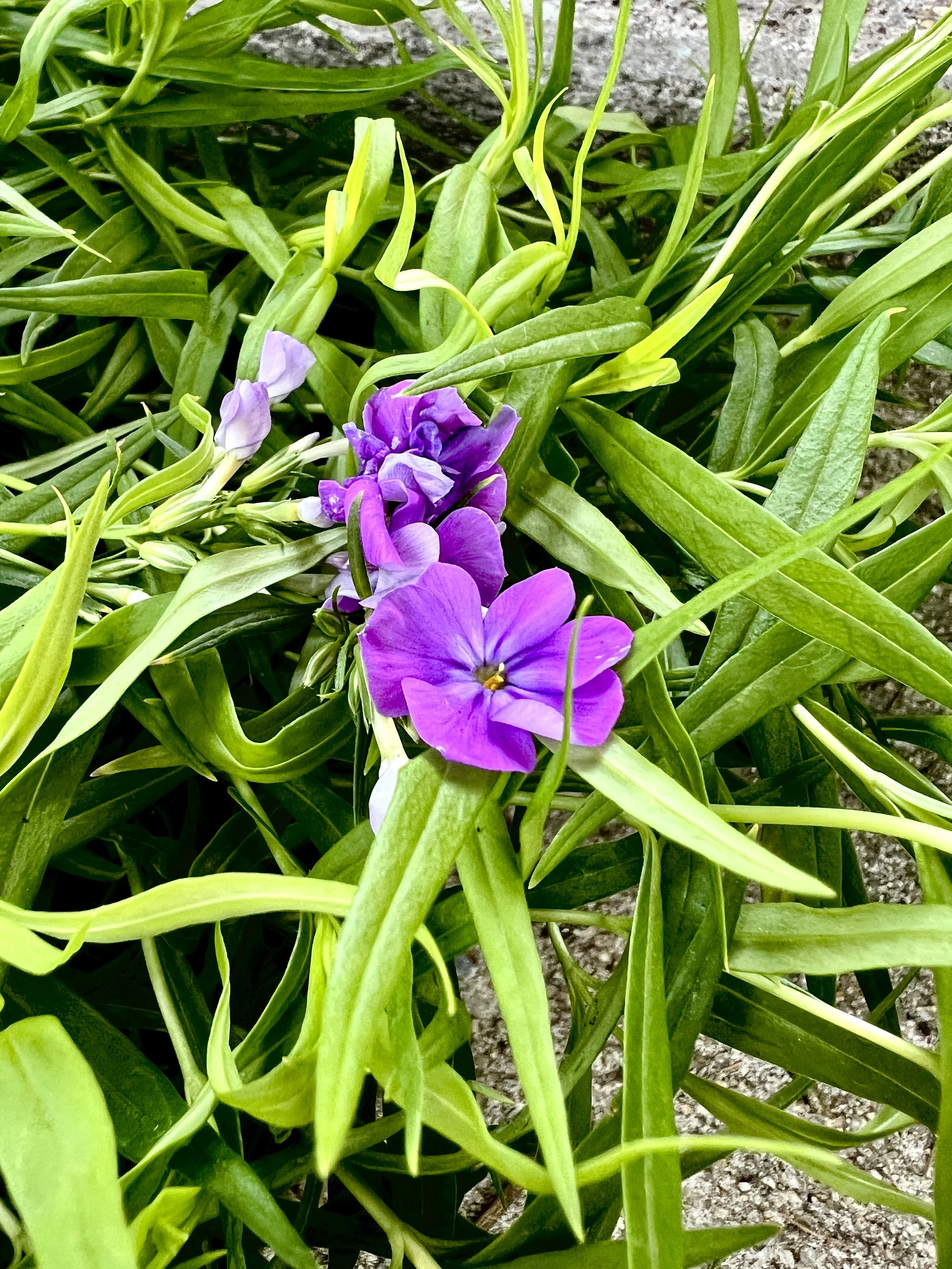
Native Landscape Design - Wild but not crazy: Beautiful Gardens for the Main Line
The recent storms across Merion, Narberth, Wynnewood, and the surrounding Main Line changed many landscapes overnight. Mature trees were lost, sunny gardens appeared where shade once dominated, and homeowners are now deciding how to rebuild. Learn how thoughtful native landscape design can transform storm-damaged properties into beautiful, organized, low-maintenance gardens that enhance your home while supporting birds, butterflies, and pollinators.
If you've spent any time reading about landscaping lately, you've probably heard a lot about native plants, pollinator gardens, ecological landscaping, and even replacing portions of your lawn with planting beds. It's a conversation that's growing across the Philadelphia Main Line, and for good reason.
For many homeowners in Merion, Narberth, Wynnewood, and surrounding Main Line communities, that conversation has taken on new meaning after the recent microburst on Saturday brought powerful winds, downed mature trees, and dramatically changed many landscapes.
Properties that were shaded for decades may now receive full sun. Garden beds that once struggled beneath tree canopies suddenly have entirely different growing conditions. While losing mature trees is never easy, rebuilding your landscape also presents an opportunity to create something beautiful, resilient, and better suited to the way your property looks and functions today and moving forward.
The big-picture goal remains the same: create landscapes with more space for plants that naturally belong here. Native plants provide food and shelter for birds, butterflies, bees, and countless other beneficial insects while creating gardens that are both beautiful and easier to maintain over time.
But one question comes up almost every time we meet with homeowners:
"Can I have a native landscape without it looking wild, overgrown, or messy?"
The answer is absolutely yes.
Rebuilding Creates Opportunity
If your property was affected by the recent storms, you may be looking at your landscape differently than you were just a few weeks ago. Changes in sunlight, the loss of mature trees, and damaged planting beds can certainly feel overwhelming.
But they also offer an opportunity to rethink how your landscape serves your family and your property.
Rather than simply replacing what was there before, consider designing a landscape that responds to today's conditions. A thoughtful plan can improve curb appeal, reduce long-term maintenance, support birds and pollinators, and create outdoor spaces that are both beautiful and functional for years to come.
At Union Landscape Design, we believe every landscape should feel intentional. Whether you're restoring storm-damaged gardens or simply refreshing an aging landscape, native plants can be incorporated in ways that are elegant, organized, and perfectly in step with the timeless character of Main Line neighborhoods.
A landscape doesn't have to be completely native to make a meaningful ecological impact. Even incorporating native plants into portions of your garden can create habitat for wildlife while maintaining the refined appearance that complements your home and your neighborhood.
Sometimes, unexpected changes become the beginning of something even better. With thoughtful design, your landscape can emerge more beautiful, more resilient, and more enjoyable than ever before.
Contact us today to schedule your consultation, and let’s start planning your perfect outdoor retreat.
Explore our Pricing Packages to see real examples and find the right starting point for your project.
— Union Landscape Design
Summer Is the Season to Enjoy Your Landscape
A well-designed landscape should be enjoyed, not constantly managed. Discover how native and low-maintenance plants help Main Line and Philadelphia landscapes thrive through summer with less watering and stress.
Mid Summer Is the Perfect Time to Reimagine Your Outdoor Space
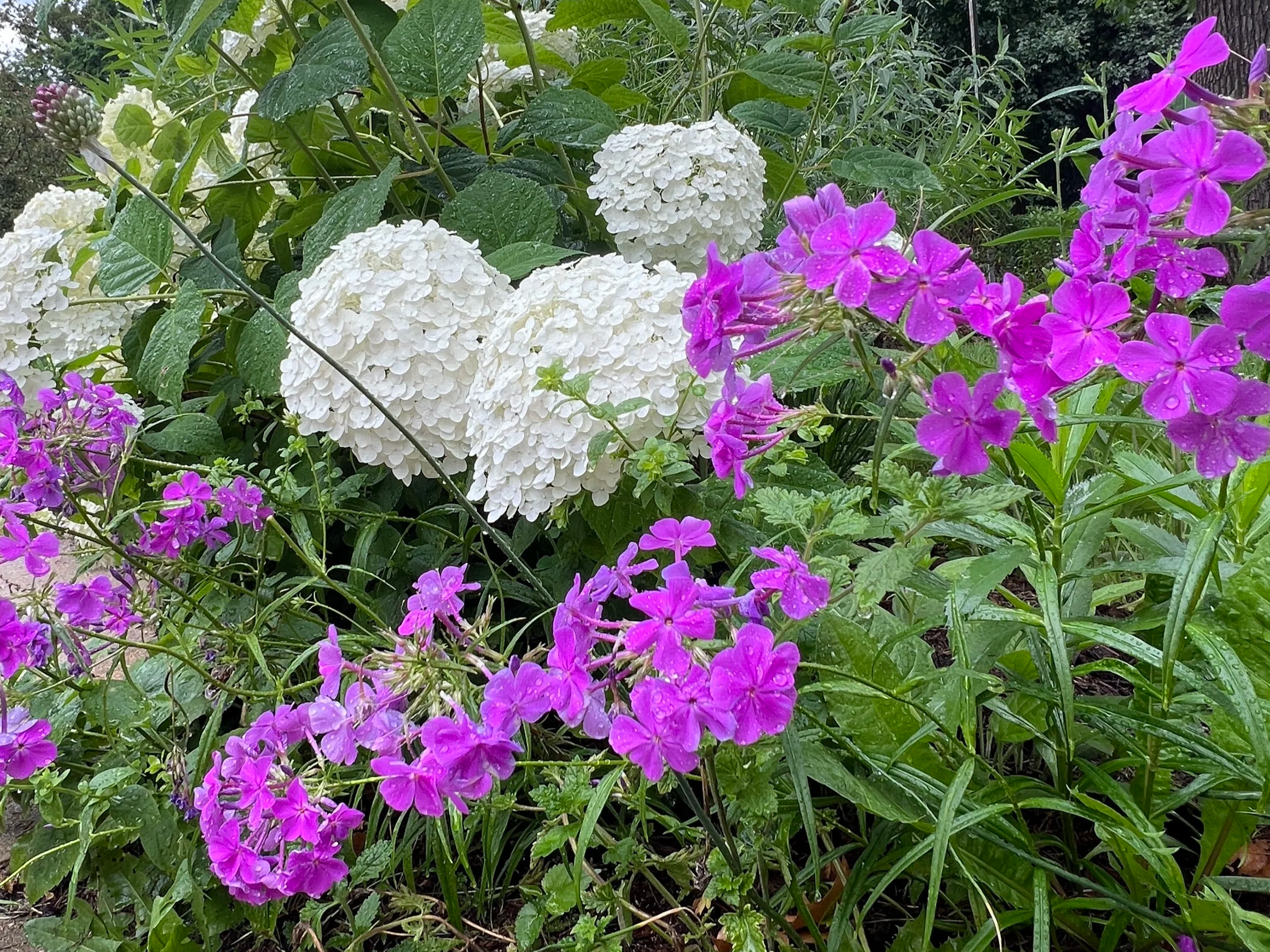
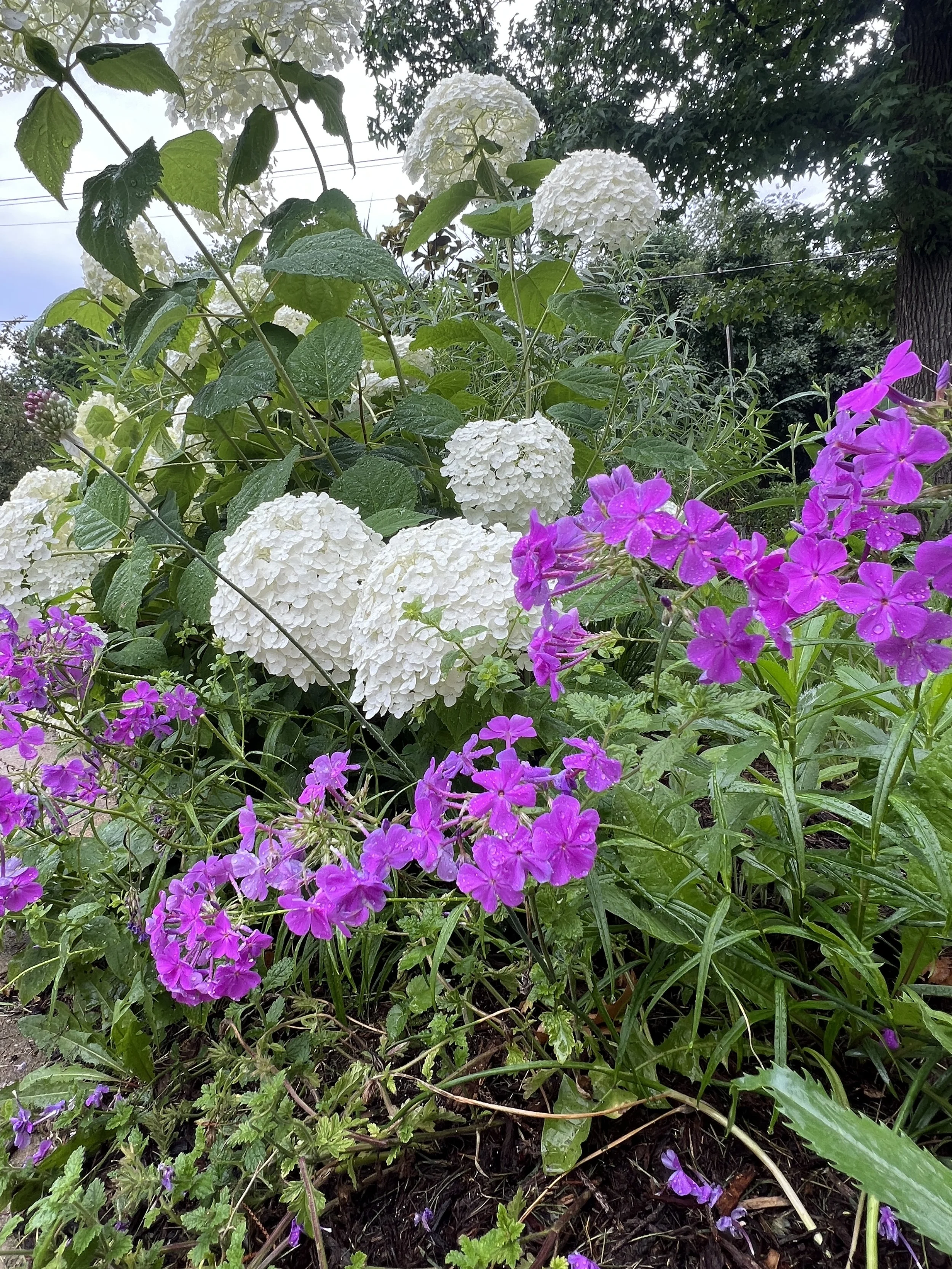
Phlox and Hydangea make a great summer combination
Winter is often when the best landscape plans take shape. Spring is when those ideas become reality through thoughtful landscape installation and planting. By summer, your new trees, shrubs, perennials, and grasses are settling in, establishing roots, and benefiting from warm temperatures and summer showers as they push out fresh growth.
For many homeowners on the Main Line, this is exactly how a landscape should work: design first, install well, then enjoy the results.
A Well-Designed Landscape Should Require Less Water
One of the biggest advantages of a professionally designed, low-maintenance landscape is that watering demands decrease significantly once the landscape is established.
By selecting native plants and drought-tolerant perennials that are matched to your specific site conditions—sun, shade, soil type, drainage, and exposure—your landscape becomes naturally more resilient. Instead of constantly fighting the weather, the planting is designed to work with it.
That means your garden can continue looking beautiful through summer, including the occasional Philadelphia-area heat wave, without requiring excessive watering, constant attention, or unnecessary stress.
Your Landscape Should Not Be Another Summer Chore
Most families are already busy enough.
Summer is filled with getting kids to and from camp, keeping up with work, planning vacations, packing for weekend trips, and trying to spend more time outside. Your landscape should not become another item on the to-do list.
A thoughtful landscape design creates outdoor spaces that are meant to be used and enjoyed, not constantly maintained.
Some of Our Favorite Low-Maintenance Summer Performers
When designing landscapes throughout the Main Line and Philadelphia suburbs, we often rely on plants that provide long-lasting color, support pollinators, and tolerate periods of heat and dryness once established.
Three favorites are:
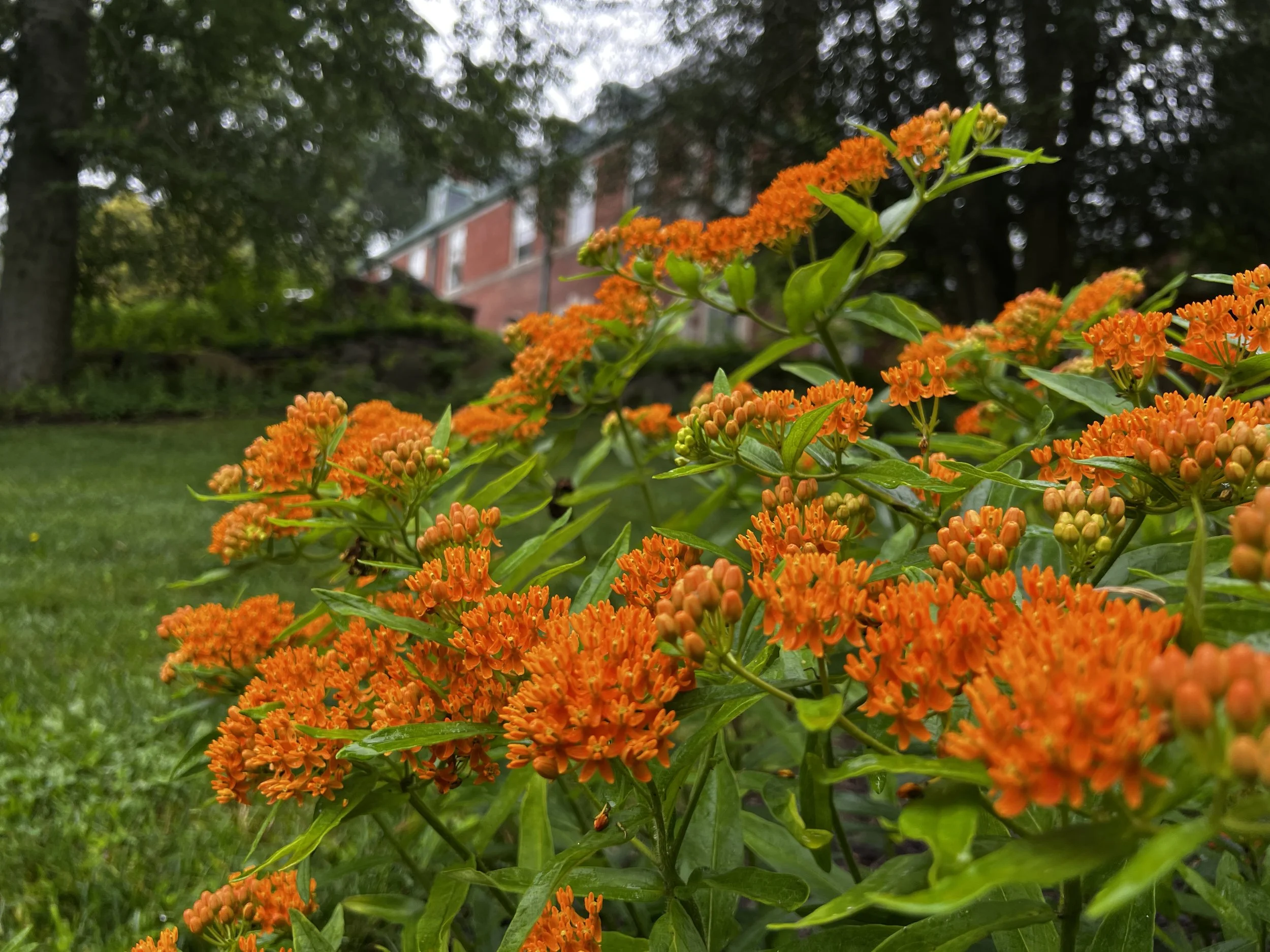
Butterfly Milkweed in bloom
Asclepias tuberosa (Butterfly MilkWeed)
Brilliant orange flowers, exceptional pollinator value, and excellent drought tolerance.
Long Bloom
Pollinator Favorite
Drought Tolerant
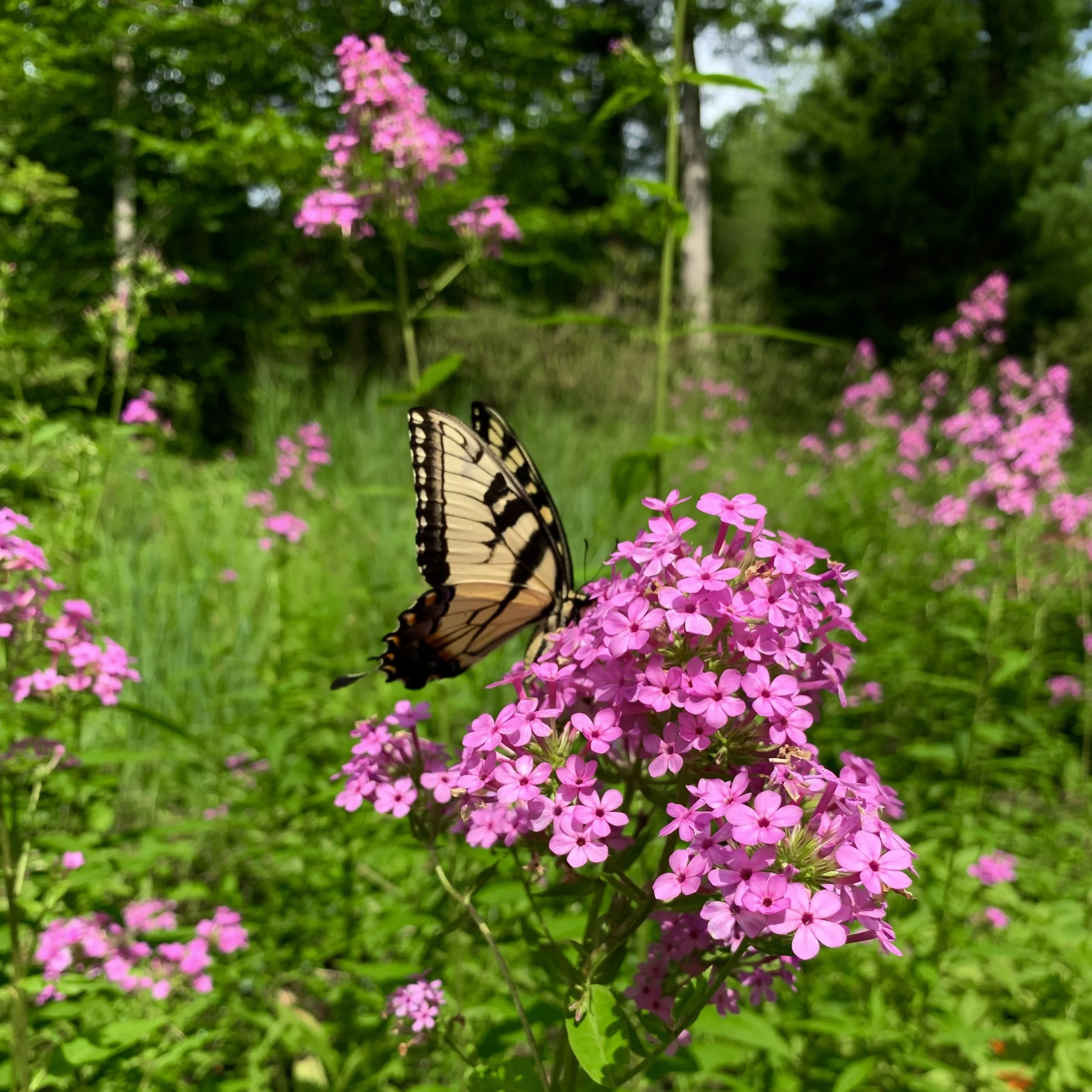
Phlox ‘Jeana’ has beautiful flowers that attracts tons of butterflies
Phlox ‘Jeana’
Clouds of soft purple-pink flowers that bloom for months and attract butterflies.
Long Bloom
Butterfly Magnet
Low Maintenance
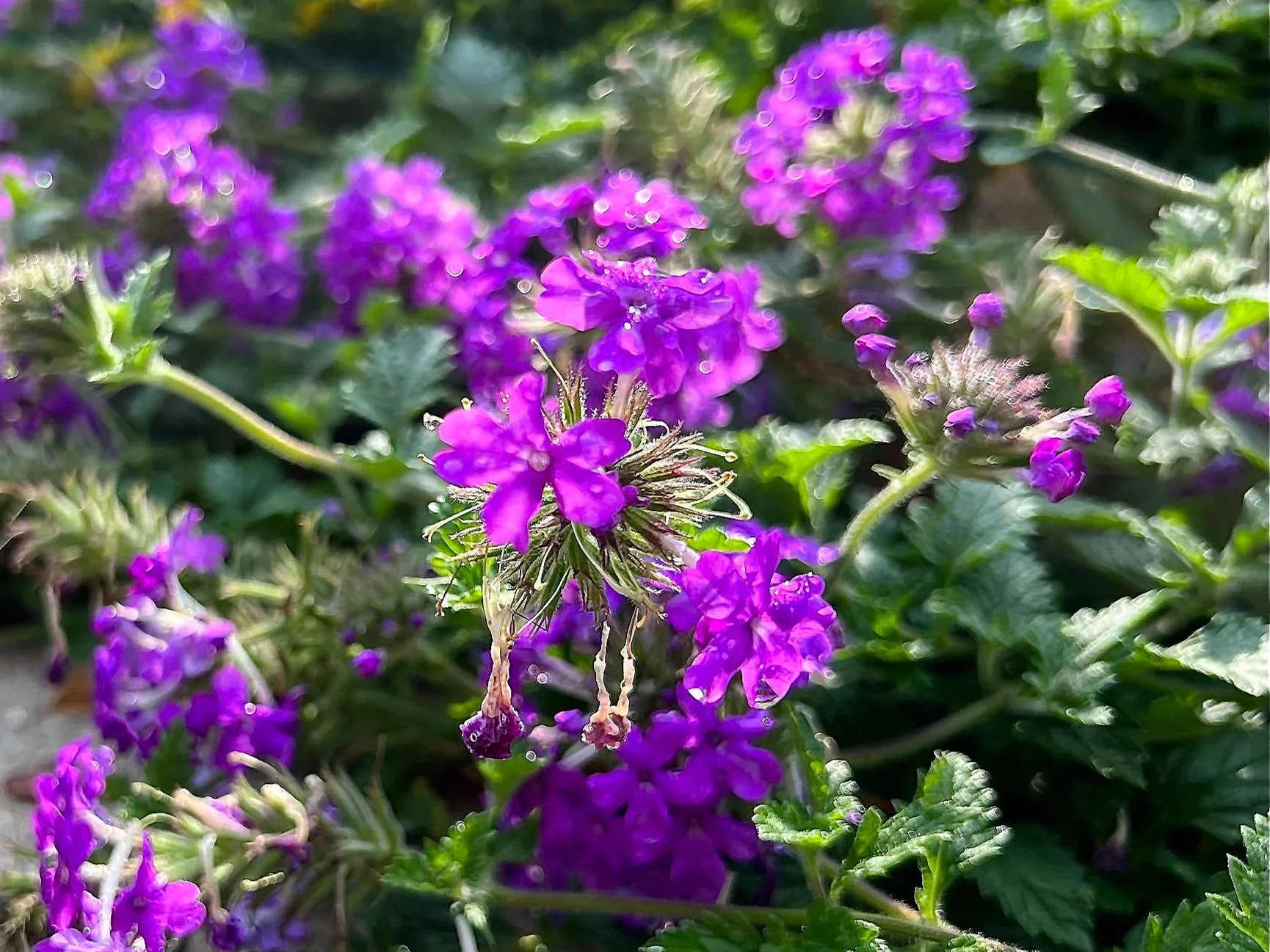
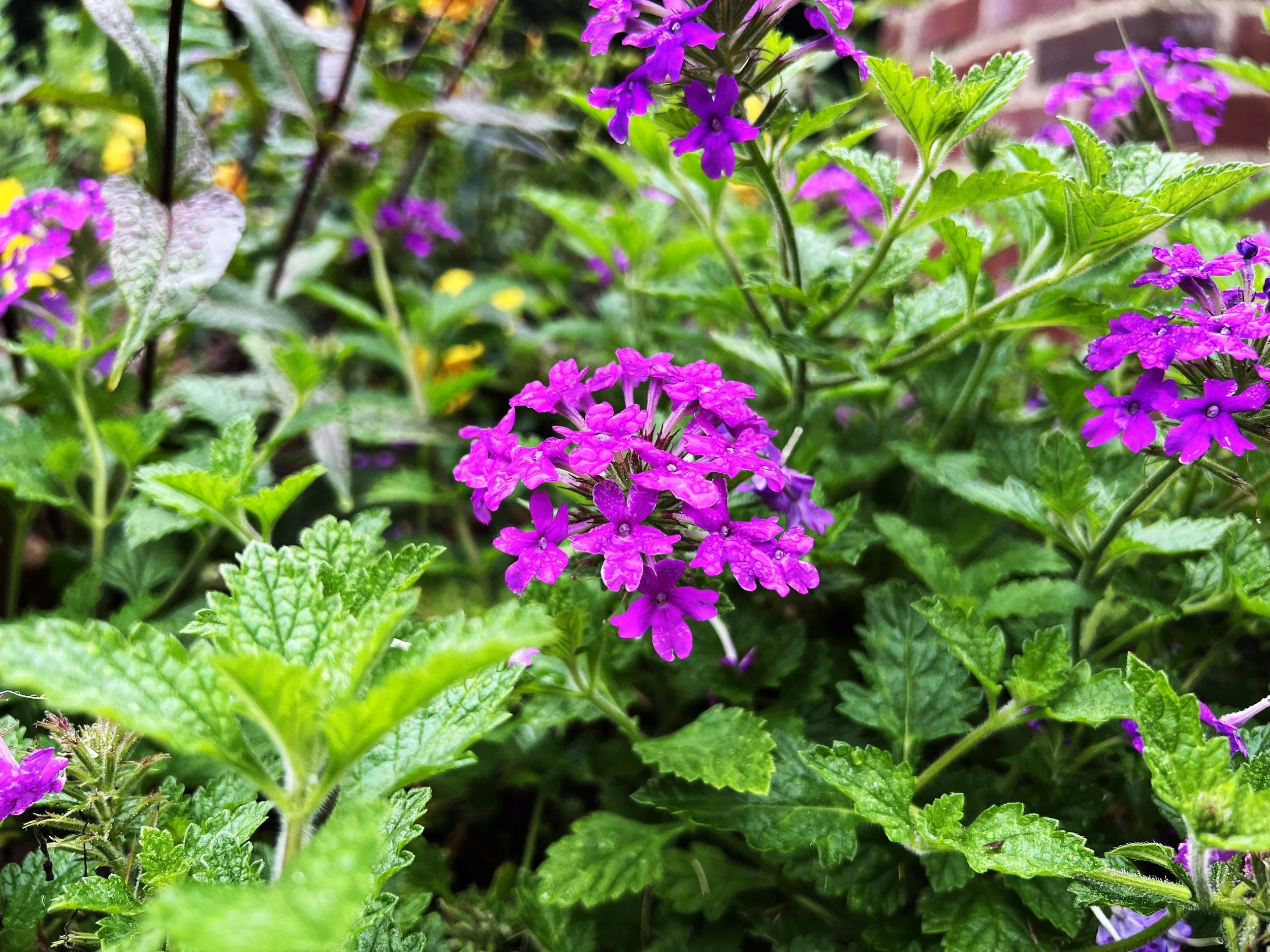
Verbena ‘Homestead Purple’ shines in the summer sun
Verbena ‘Homestead Purple’
Vibrant purple blooms that provide color through much of the growing season with minimal care.
Season-Long Color
Heat Tolerant
Easy Care
The Goal Is a Landscape That Gets Better Each Year
The best landscapes do not peak the day they are installed. They grow into themselves.
As roots establish and plants mature, the garden becomes fuller, more connected, and increasingly resilient. Watering needs typically decrease, maintenance becomes simpler, and the landscape begins delivering the feeling every homeowner wants: beauty without constant effort.
That is why we focus on low-maintenance landscape design, native plantings, and site-appropriate plant selection throughout the Main Line and Philadelphia suburbs.
Summer should be the season when you sit back, enjoy the blooms, watch the pollinators, and appreciate the work you invested in months earlier.
Because a great landscape is not meant to create more stress. It is meant to give some of it back
Imagine What Your Landscape Could Become
As you walk around your property, notice what deserves to stay.
Perhaps there are beautiful mature trees that anchor your landscape. Maybe certain garden beds thrive every year and simply need to be expanded. The best landscape design builds on what is already working.
Then consider the areas that could be reimagined.
Maybe your backyard needs more privacy so it becomes a place where you actually want to spend an evening outdoors.
Maybe your foundation is filled with evergreen shrubs that provide structure but leave your home feeling flat during the summer. Layers of flowering perennials, ornamental grasses, and native plants could bring color, texture, and life to your landscape.
Maybe nearby construction has changed the way your property relates to the surrounding homes, and your landscape needs stronger edges, screening, or a better sense of definition.
Or perhaps life has simply been busy.
You have spent years maintaining your home, tackling repairs, raising children, managing work schedules, and keeping everything moving forward. The landscape has stayed good enough because there always seemed to be something more urgent.
Now may finally be the right time to invest in a landscape you can truly enjoy.
A Thoughtfully Designed Landscape Changes More Than Your Yard
A beautiful landscape is about much more than adding plants.
It is about creating a welcoming first impression every time you come home. It is about increasing your home's curb appeal while creating outdoor spaces where your family wants to spend time.
Whether you are dreaming about front yard landscaping, a private backyard retreat, colorful perennial gardens, or a complete landscape renovation, thoughtful garden design can transform the way you experience your home.
A thoughtfully designed landscape should become more beautiful with time, not more demanding. That is why we believe in using lasting design principles, carefully selected native plants, and low maintenance perennials that continue to reward homeowners season after season.
A well designed landscape brings beauty throughout the seasons while supporting pollinators, reducing maintenance, and complementing the architecture of your home.
Ready for a Fresh Start?
Every landscape tells a story.
If yours no longer reflects the way you want to live, or if it simply is not bringing you the joy it should, this season is an opportunity to imagine something better.
If you're ready for a fresh start, we'd love to help. At Union Landscape Design, we specialize in low maintenance landscape design and installation throughout the Main Line and Philadelphia suburbs. Our goal is to become the area's most trusted partner for homeowners who want beautiful gardens, native plants, and thoughtfully designed outdoor spaces that become a welcome retreat for years to come. Together, we'll build on what is working, reimagine what is not, and create a landscape you'll look forward to coming home to every day.
Contact us today to schedule your consultation, and let’s start planning your perfect outdoor retreat.
Explore our Pricing Packages to see real examples and find the right starting point for your project.
— Union Landscape Design
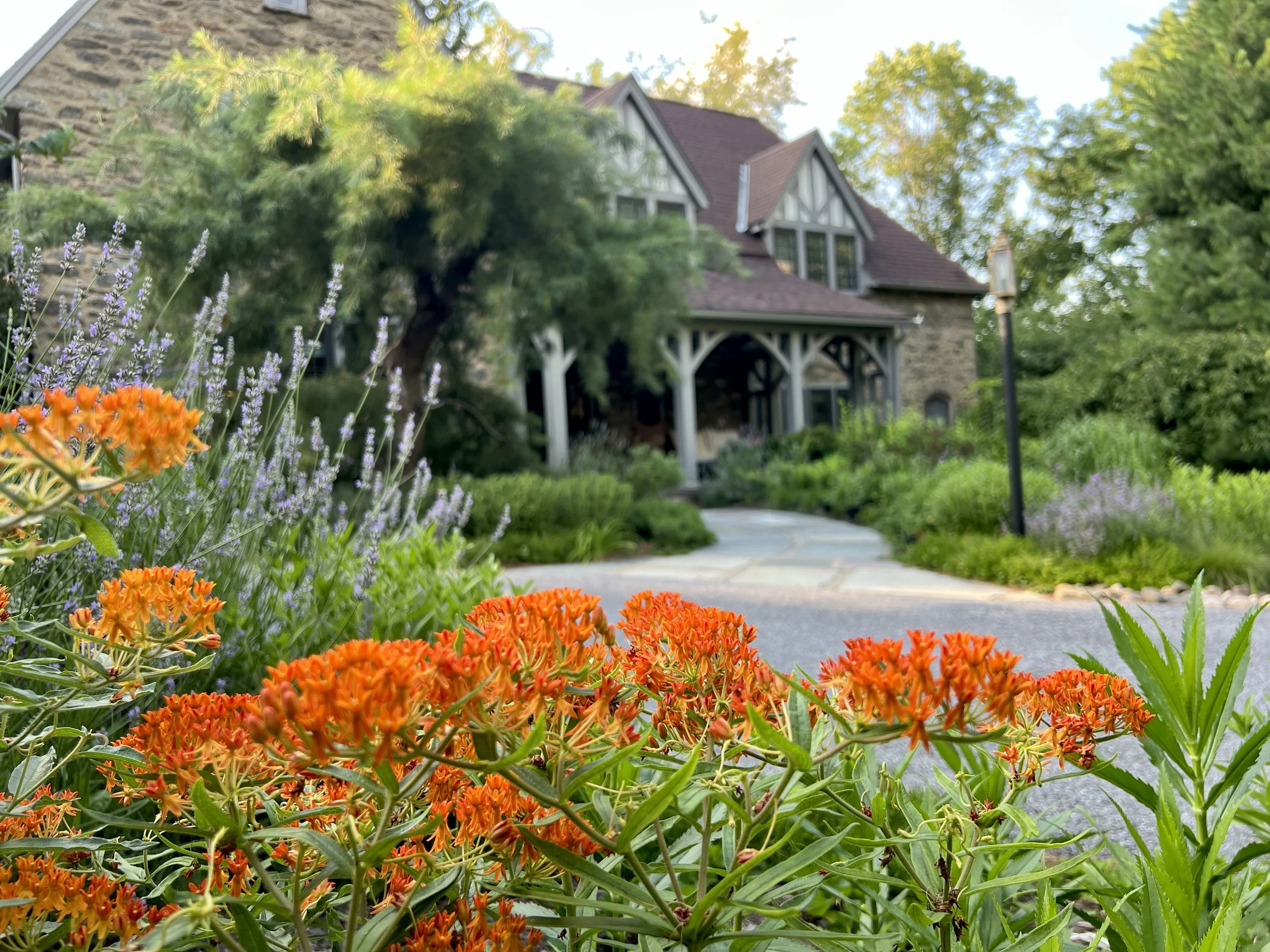
Take a Fresh Look at Your Landscape This Summer
Take a fresh look at your landscape this summer. Discover how thoughtful, low maintenance landscape design can transform homes throughout the Main Line and Philadelphia.
Mid Summer Is the Perfect Time to Reimagine Your Outdoor Space
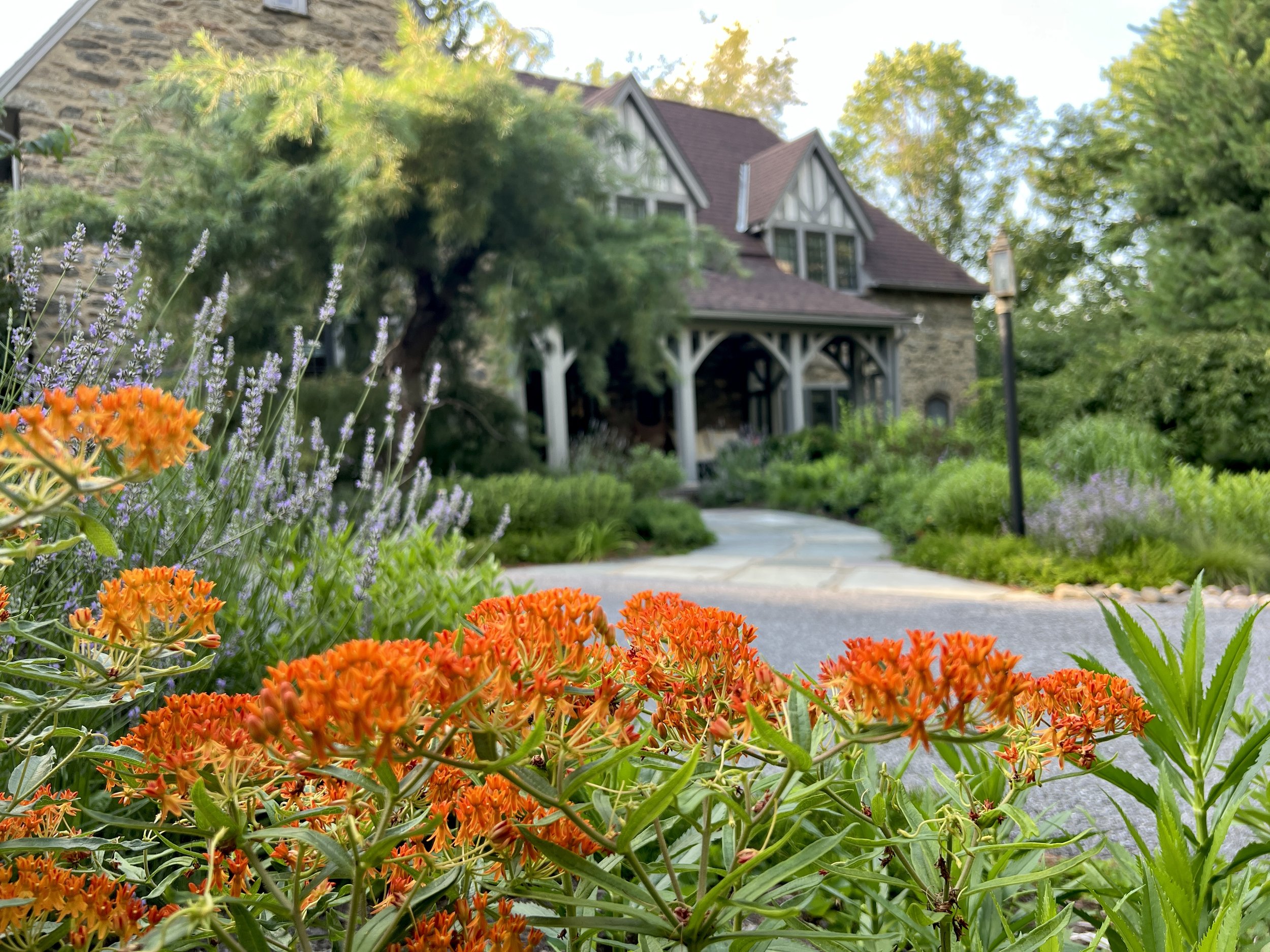
Entry garden in Merion Station
Spring often feels like the season of fresh starts. We plant flowers, spread mulch, and hope everything comes together beautifully. But by this point in the growing season, your landscape is showing you who it really is.
Now is a wonderful time to pause.
Take a slow walk around your property. Stand at the end of your driveway as you arrive home. Sit on your front porch or in your backyard for a few minutes.
Ask yourself one simple question.
How do I feel about my landscape?
Does it feel welcoming? Colorful? Peaceful?
Or does it feel messy, random, overgrown, or like something is missing?
By now, you can clearly see what is working, what is not, and which problems are not getting any better. The gaps that bothered you in April are probably still there. The plants that always seem to struggle have had another season to prove they are not in the right place. Areas that never quite felt finished still feel unfinished.
The good news is that you are not too late.
The Growing Season Is Still Ahead of Us
While we have already experienced a few stretches of hot weather, we are still in the heart of the growing season here in Philadelphia and across the Main Line.
Warm temperatures and summer rain create excellent growing conditions for perennial gardens, native plants, ornamental grasses, shrubs, and trees. It is one of the best times of year to install a thoughtfully designed landscape that will continue establishing for months to come.
If you have been feeling disappointed every time you pull into your driveway, now is the perfect time to make a change.
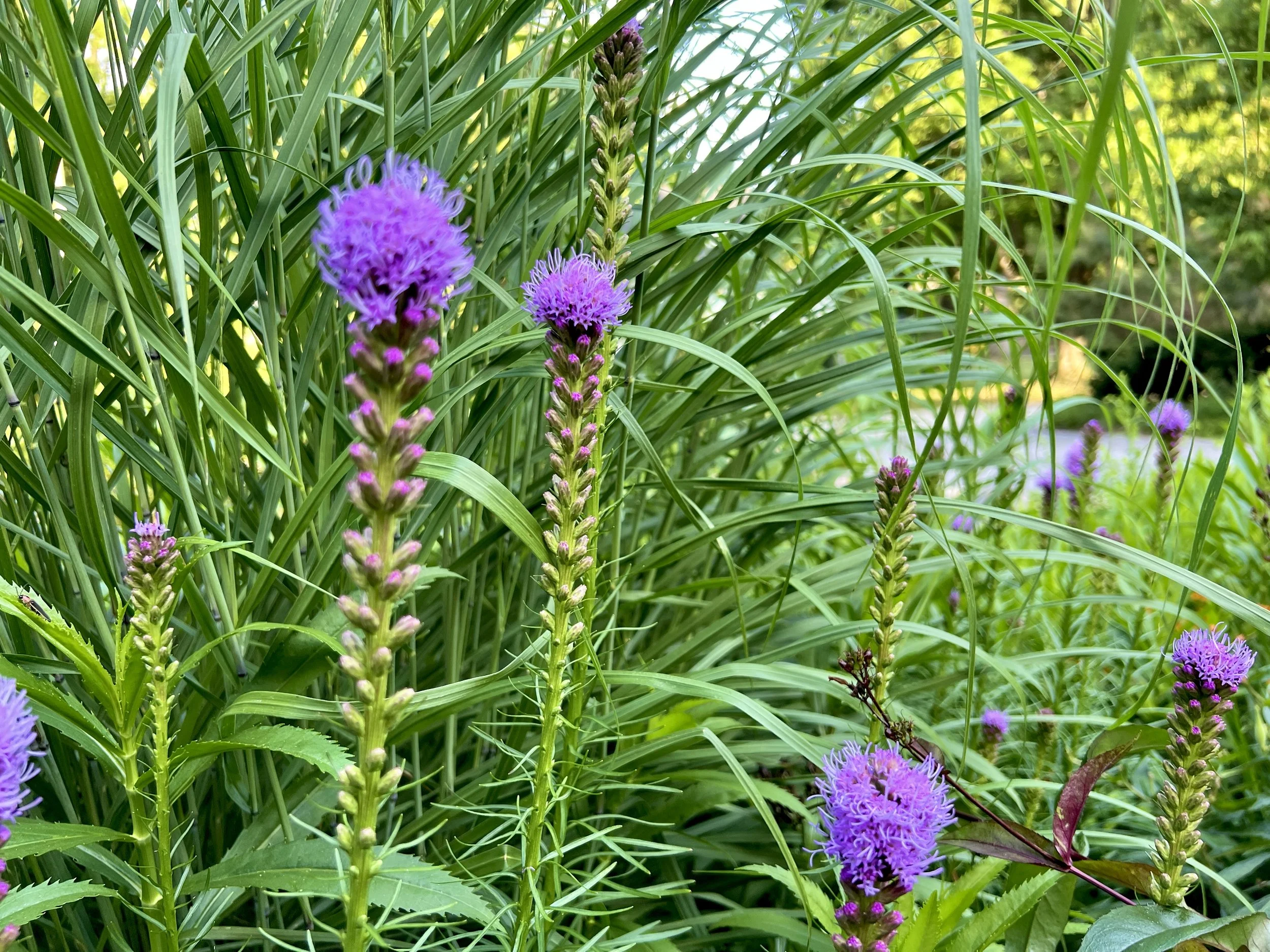
Purple Blazing Star Liatris is a classic native summer perennial along the Main Line
Imagine What Your Landscape Could Become
As you walk around your property, notice what deserves to stay.
Perhaps there are beautiful mature trees that anchor your landscape. Maybe certain garden beds thrive every year and simply need to be expanded. The best landscape design builds on what is already working.
Then consider the areas that could be reimagined.
Maybe your backyard needs more privacy so it becomes a place where you actually want to spend an evening outdoors.
Maybe your foundation is filled with evergreen shrubs that provide structure but leave your home feeling flat during the summer. Layers of flowering perennials, ornamental grasses, and native plants could bring color, texture, and life to your landscape.
Maybe nearby construction has changed the way your property relates to the surrounding homes, and your landscape needs stronger edges, screening, or a better sense of definition.
Or perhaps life has simply been busy.
You have spent years maintaining your home, tackling repairs, raising children, managing work schedules, and keeping everything moving forward. The landscape has stayed good enough because there always seemed to be something more urgent.
Now may finally be the right time to invest in a landscape you can truly enjoy.
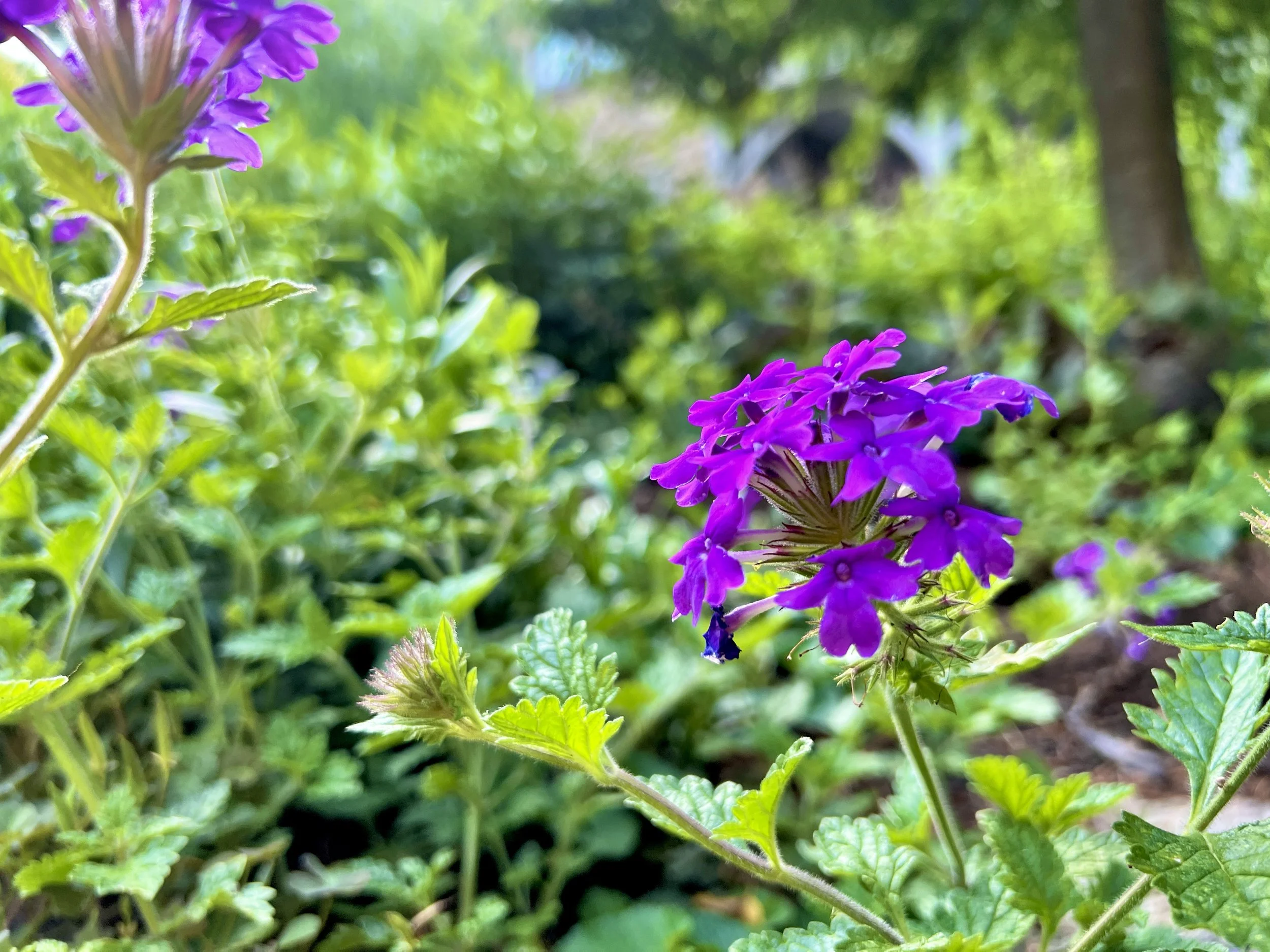
Purple verbena pops in Merion Station, Pennsylvania
A Thoughtfully Designed Landscape Changes More Than Your Yard
A beautiful landscape is about much more than adding plants.
It is about creating a welcoming first impression every time you come home. It is about increasing your home's curb appeal while creating outdoor spaces where your family wants to spend time.
Whether you are dreaming about front yard landscaping, a private backyard retreat, colorful perennial gardens, or a complete landscape renovation, thoughtful garden design can transform the way you experience your home.
A thoughtfully designed landscape should become more beautiful with time, not more demanding. That is why we believe in using lasting design principles, carefully selected native plants, and low maintenance perennials that continue to reward homeowners season after season.
A well designed landscape brings beauty throughout the seasons while supporting pollinators, reducing maintenance, and complementing the architecture of your home.
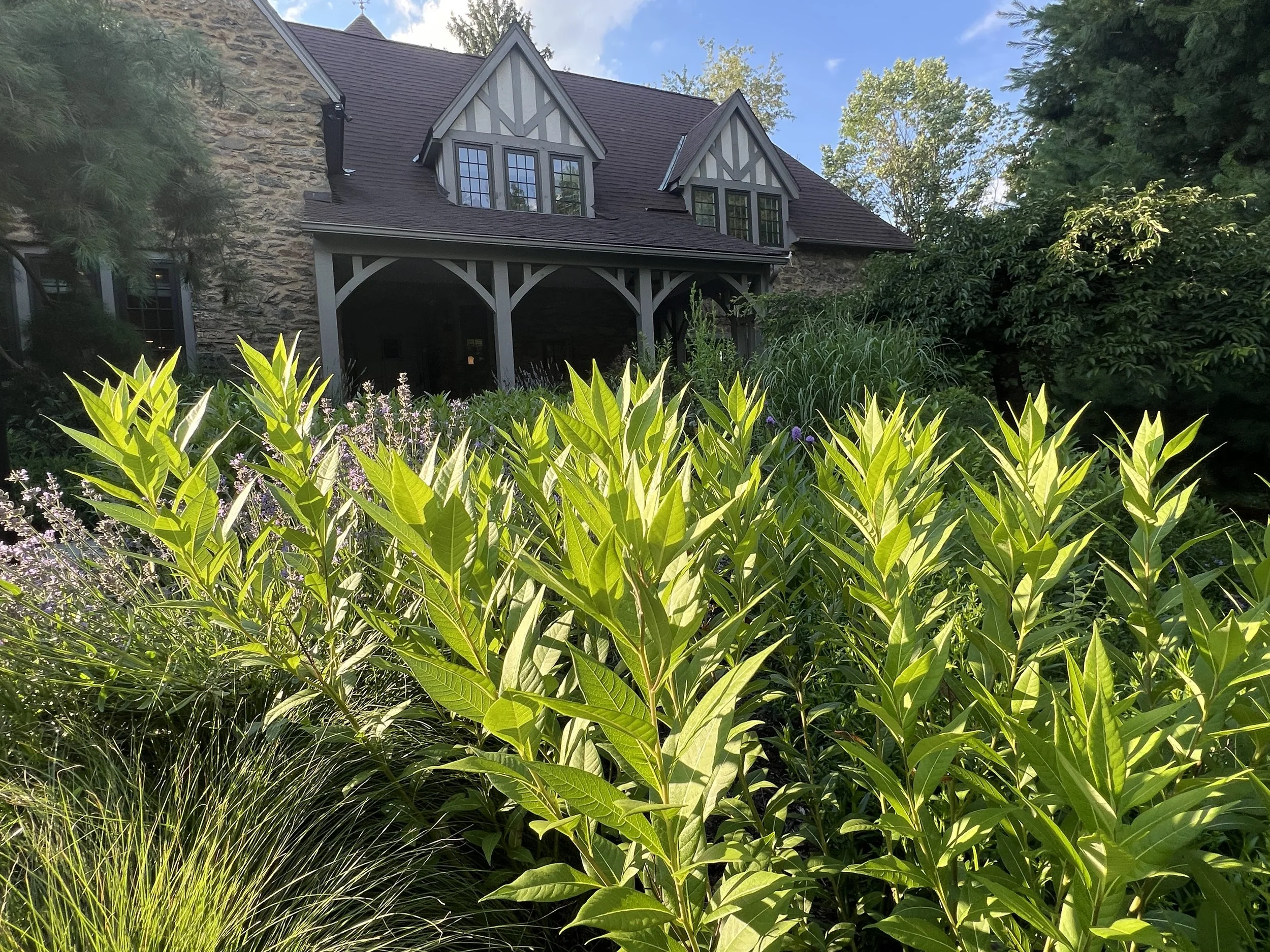
Broadleaf Bluestar Amsonia has gorgeous foliage all season - Merion Station, PA.
Ready for a Fresh Start?
Every landscape tells a story.
If yours no longer reflects the way you want to live, or if it simply is not bringing you the joy it should, this season is an opportunity to imagine something better.
If you're ready for a fresh start, we'd love to help. At Union Landscape Design, we specialize in low maintenance landscape design and installation throughout the Main Line and Philadelphia suburbs. Our goal is to become the area's most trusted partner for homeowners who want beautiful gardens, native plants, and thoughtfully designed outdoor spaces that become a welcome retreat for years to come. Together, we'll build on what is working, reimagine what is not, and create a landscape you'll look forward to coming home to every day.
Contact us today to schedule your consultation, and let’s start planning your perfect outdoor retreat.
Explore our Pricing Packages to see real examples and find the right starting point for your project.
— Union Landscape Design
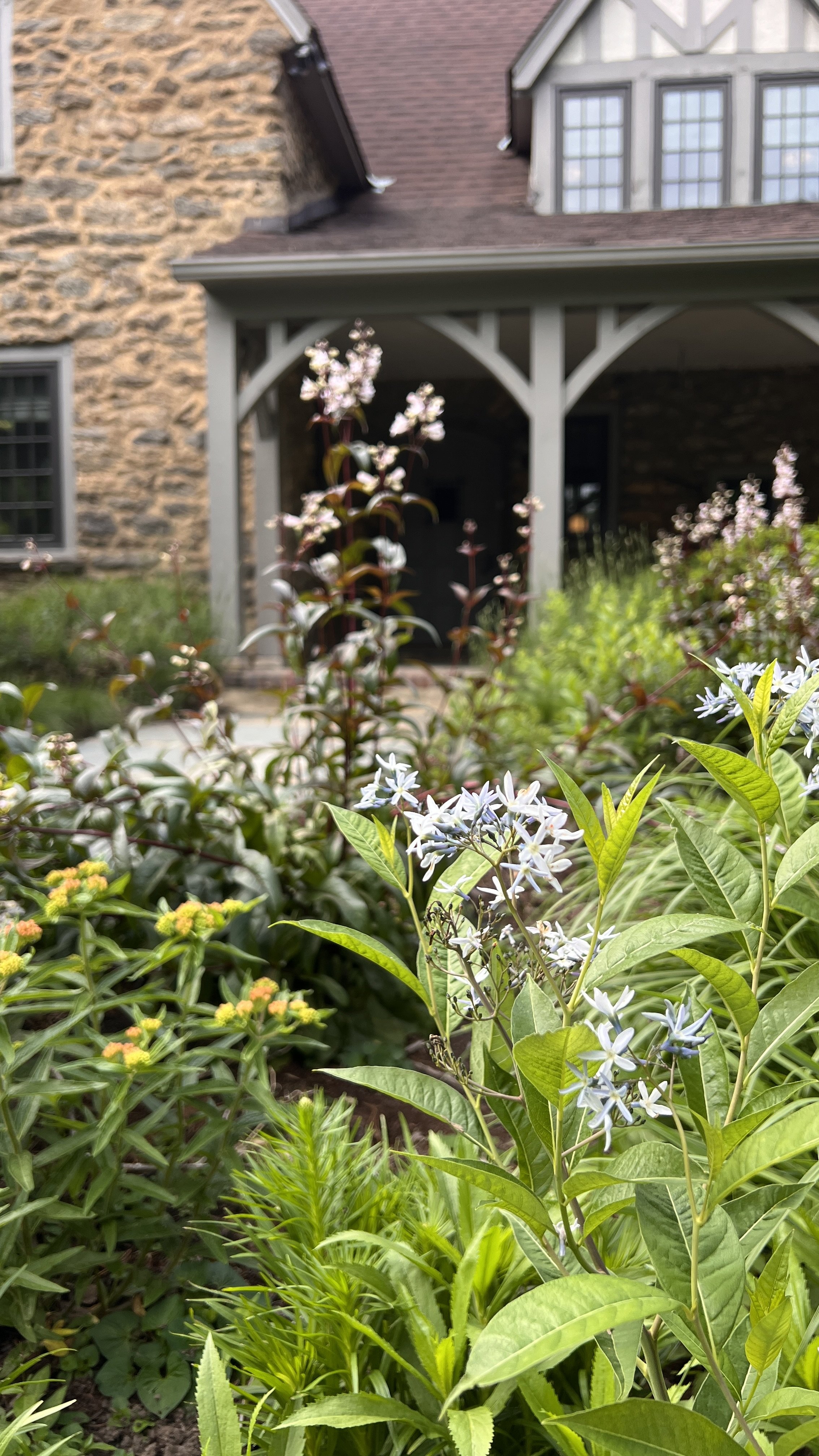
How Much Should You Spend on Landscaping in Philadelphia and the Main Line?
If you’re considering updating your home’s landscaping, understanding realistic budget expectations is the best place to start. This guide explains how homeowners on the Main Line, in Philadelphia, and at the NJ Shore can think about landscape investment, what factors influence pricing, and how phased installation can make a dream landscape achievable.
What Does Landscaping Cost on the Main Line, Philadelphia, and the NJ Shore?
Spring is here. If you’re dreaming of a landscape full of flowering hydrangeas, native perennials, and layered plantings that support pollinators, welcome guests to your home, and look beautiful year round, it may be time to start planning your landscape renovation.
One of the most common questions we hear at Union Landscape Design is:
“How much should we expect to spend on landscaping?”
The answer depends on the size of the property, the scope of the work, and the types of plants being used, but there are helpful guidelines that can give homeowners a realistic starting point when budgeting for professional landscape design and installation.
A Helpful Landscaping Budget Framework
For homes along the Main Line, in Philadelphia, and at the NJ Shore, we often recommend thinking about landscaping as a percentage of your home’s value.
As a general rule, homeowners investing around 3% of their home’s value can often achieve a meaningful landscape refresh with foundation plantings, ornamental trees, and improved curb appeal.
Projects closer to 5% of a home’s value typically allow for a more comprehensive landscape design with layered shrubs, seasonal color, privacy screening, pollinator-friendly gardens, and stronger year-round structure.
At the 7% range and above, homeowners can often create a fully developed landscape experience with mature trees, extensive evergreen screening, specialty specimen plantings, and detailed outdoor garden spaces throughout the property.
What Factors Affect Landscape Pricing?
Every landscape installation project is unique, and several factors influence overall cost.
One of the biggest variables is the proportion of trees versus shrubs and perennials. Larger trees create immediate visual impact but can significantly increase project budgets depending on size and quantity.
Plant selection also matters. Evergreen landscapes generally cost more than landscapes focused primarily on deciduous plants because evergreens grow more slowly and are typically installed at larger sizes to create screening and structure.
Other factors that affect landscaping costs include:
Property size
Drainage and grading conditions
Accessibility for installation
Quantity of planting beds
Privacy screening needs
Use of native plants and pollinator gardens
Desired level of year-round interest
Why a Landscape Plan Makes the Process Easier
If planning a landscape renovation feels overwhelming, it doesn’t have to be.
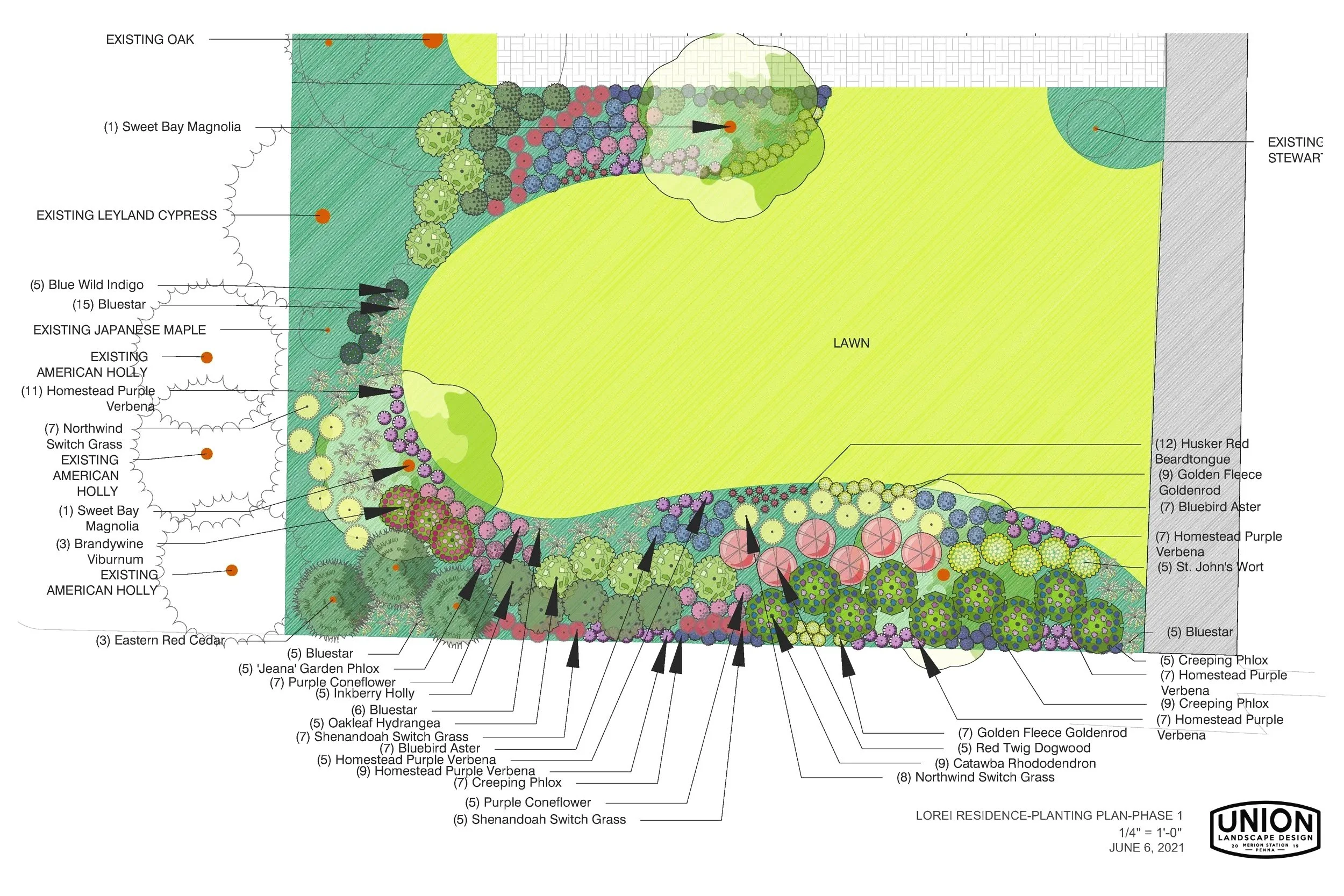
A thoughtful landscape design plan with clear visuals helps homeowners understand exactly what their future landscape can look like before installation begins. Professional landscape planning also creates a roadmap for budgeting, prioritizing projects, and making informed decisions about plant selection and long-term goals.
At Union Landscape Design, we believe good design reduces stress and helps homeowners move forward with confidence.
Landscaping Projects Can Be Phased Over Time
One of the biggest misconceptions about landscape renovation is that everything needs to happen at once.
In reality, many homeowners choose to phase landscape installation over multiple seasons or years. With a clear master plan in place, planting projects can move forward intentionally while staying aligned with financial goals.
A phased landscape approach allows homeowners to prioritize key planting areas first while maintaining a cohesive long-term vision for the property.
Beautiful landscapes are rarely created overnight. They develop thoughtfully over time through careful planning, strong plant selection, and intentional installation.
Landscape Design and Installation Packages
Union Landscape Design offers landscape design and planting packages tailored to properties throughout the Main Line, Philadelphia, and the NJ Shore.
Our Small Garden projects typically range from $5,000–$15,000 in installation costs and are ideal for focused foundation planting updates and smaller residential properties.
Medium Yard projects often range from $17,500–$27,500 and allow for more comprehensive planting plans with trees, shrubs, and layered perennial gardens.
Larger Home projects commonly range from $28,000–$45,000 and may include extensive screening, mature trees, and multiple planting zones throughout the property.
For larger properties and estate-scale landscapes, Custom Estate projects begin around $45,000 and are tailored to the unique goals and character of the home.
Start Planning Your Landscape
If you’ve been considering updating the landscape around your home, this is a great time to begin planning.
Whether you’re looking for a native planting design, pollinator-friendly landscape, evergreen privacy screening, or a complete landscape renovation, Union Landscape Design can help you create a landscape that feels intentional, timeless, and uniquely suited to your property.
Contact us today to schedule your consultation, and let’s start planning your perfect outdoor retreat.
Explore our Pricing Packages to see real examples and find the right starting point for your project.
— Union Landscape Design
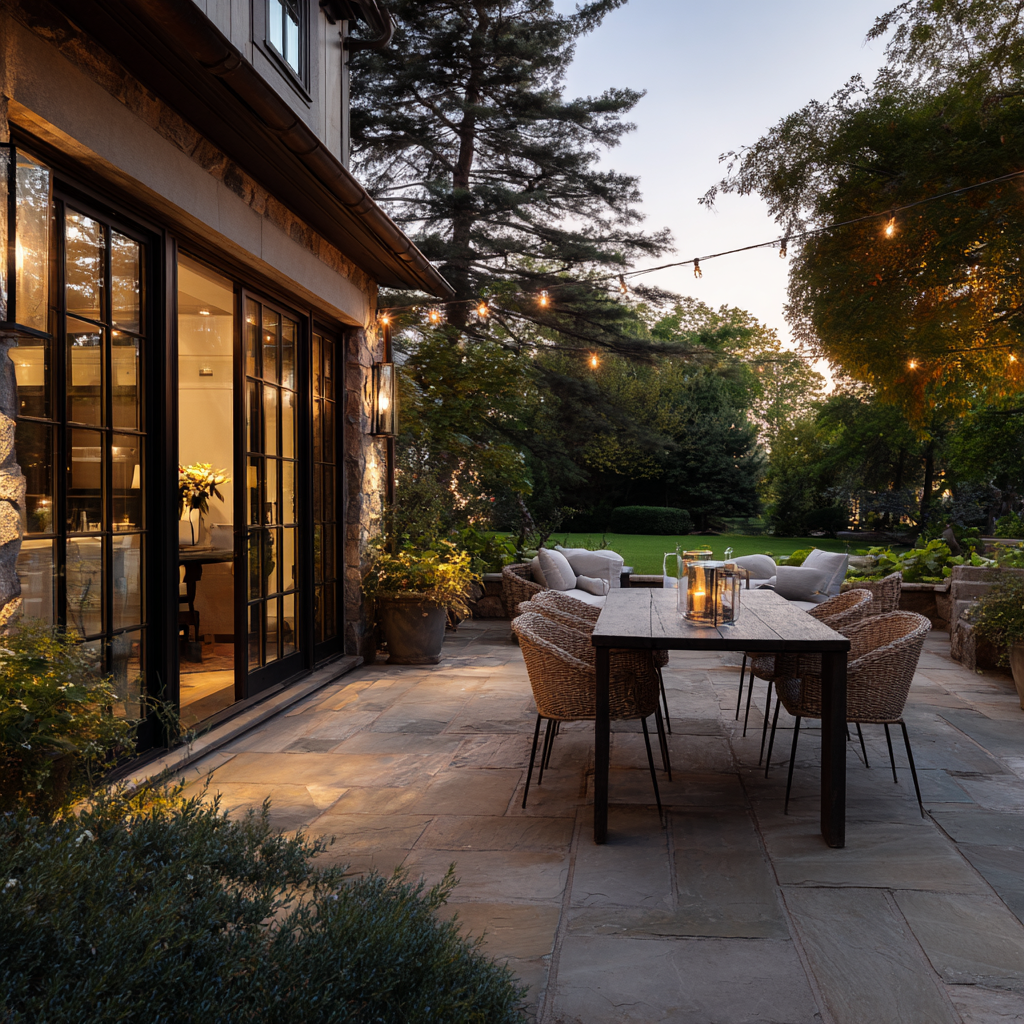
How Do Native Plants Elevate Philadelphia Outdoor Living?
Discover how combining a classic bluestone patio with PA native plants and edible berries creates a lush, interactive outdoor living space on the Main Line.
How Can Native Plants Elevate Your Philadelphia Outdoor Living Space?
If you are wondering how native plants can elevate your backyard, the answer is simple: they turn a static lawn into a vibrant, low-maintenance ecosystem that actively invites you outside. When you combine the natural beauty of Pennsylvania native species with a thoughtfully designed outdoor living area, you create a space that family and guests will want to enjoy in every season.
At Union Landscape Design, we know that the most successful landscapes blend functional entertaining areas with interactive, living gardens. Here is how we bring that vision to life on the Main Line.
The Perfect Transition: Entertaining on a Bluestone Patio
Every great outdoor space needs an anchor. A natural bluestone patio serves as an awesome, seamless transition between the comfort of your home and the wild beauty of your landscape.
Bluestone is a classic Philadelphia hardscaping choice that beautifully complements the historic and modern architecture of the Main Line. More importantly, a well-designed patio acts as a magnet. It physically draws guests out of the house, providing a dedicated space to dine, relax, and socialize outdoors. When you surround this gathering space with lush, carefully selected plantings, your landscape design is off to a great start.
Creating Magic with Native Wildlife
Once your bluestone patio has drawn everyone outside, the plants take center stage. While formal, imported shrubs look nice, they don't offer much in the way of life. Kids—and let’s be honest, adults too—recognize how incredibly cool it is to see a hummingbird hovering at a flower or a Monarch butterfly landing right next to where you are sitting.
By surrounding your outdoor living spaces with Pennsylvania native plants, you are doing more than just decorating; you are supporting the local ecosystem. Native plants are adapted to our climate, meaning they require less water and less maintenance. In return, they provide a reliable, beautiful habitat for local birds and pollinators, turning your backyard into a living, breathing experience.
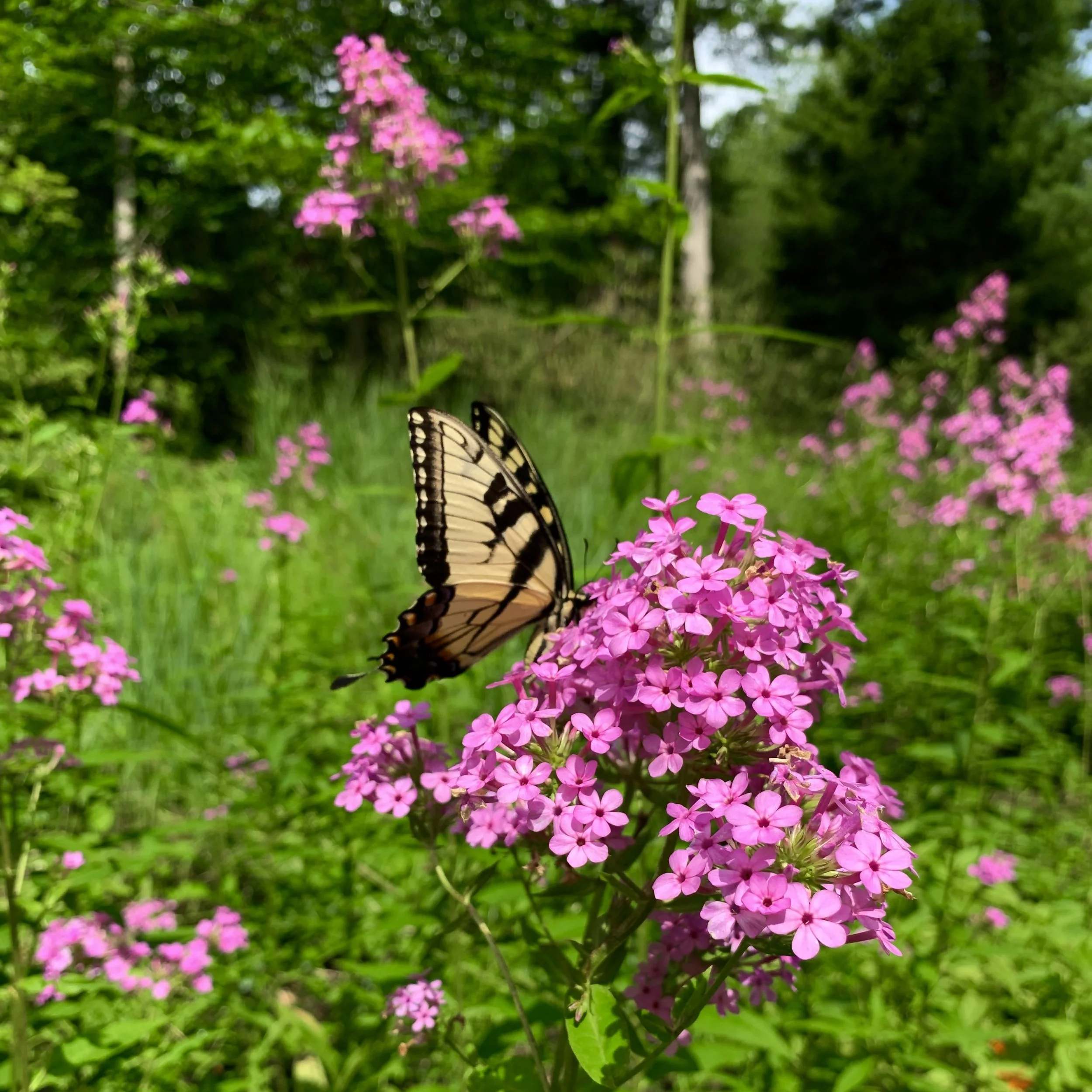
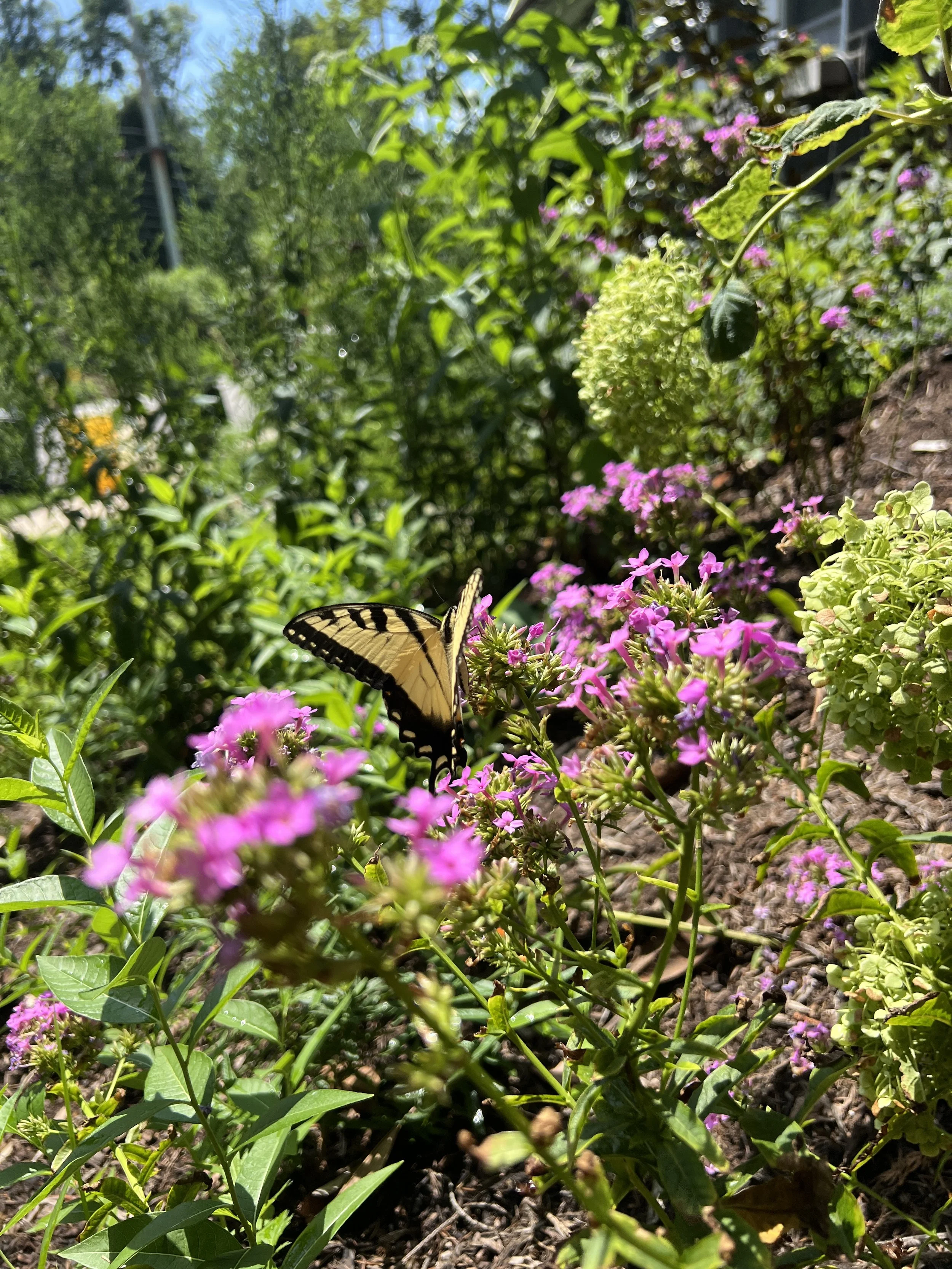
Swallowtail Butterfly on Jeana Phlox
The Joy of Edible Landscaping
To truly elevate your outdoor living space, we love to take the interactive element a step further by incorporating edible landscaping. There is a unique joy in being able to forage right in your own backyard.
Kids absolutely recognize how cool it is to have fresh fruit that they can pick and eat directly from the branch. Instead of standard foundation plantings, we love to weave edible plants into your native garden beds, such as:
Blueberries: These bushes pull double duty, offering delicate spring flowers, delicious summer fruit, and stunning red foliage in the fall.
Raspberries and Blackberries: Trained neatly along a sunny fence or trellis near the patio, these brambles provide a sweet treat for guests to pick while they mingle.
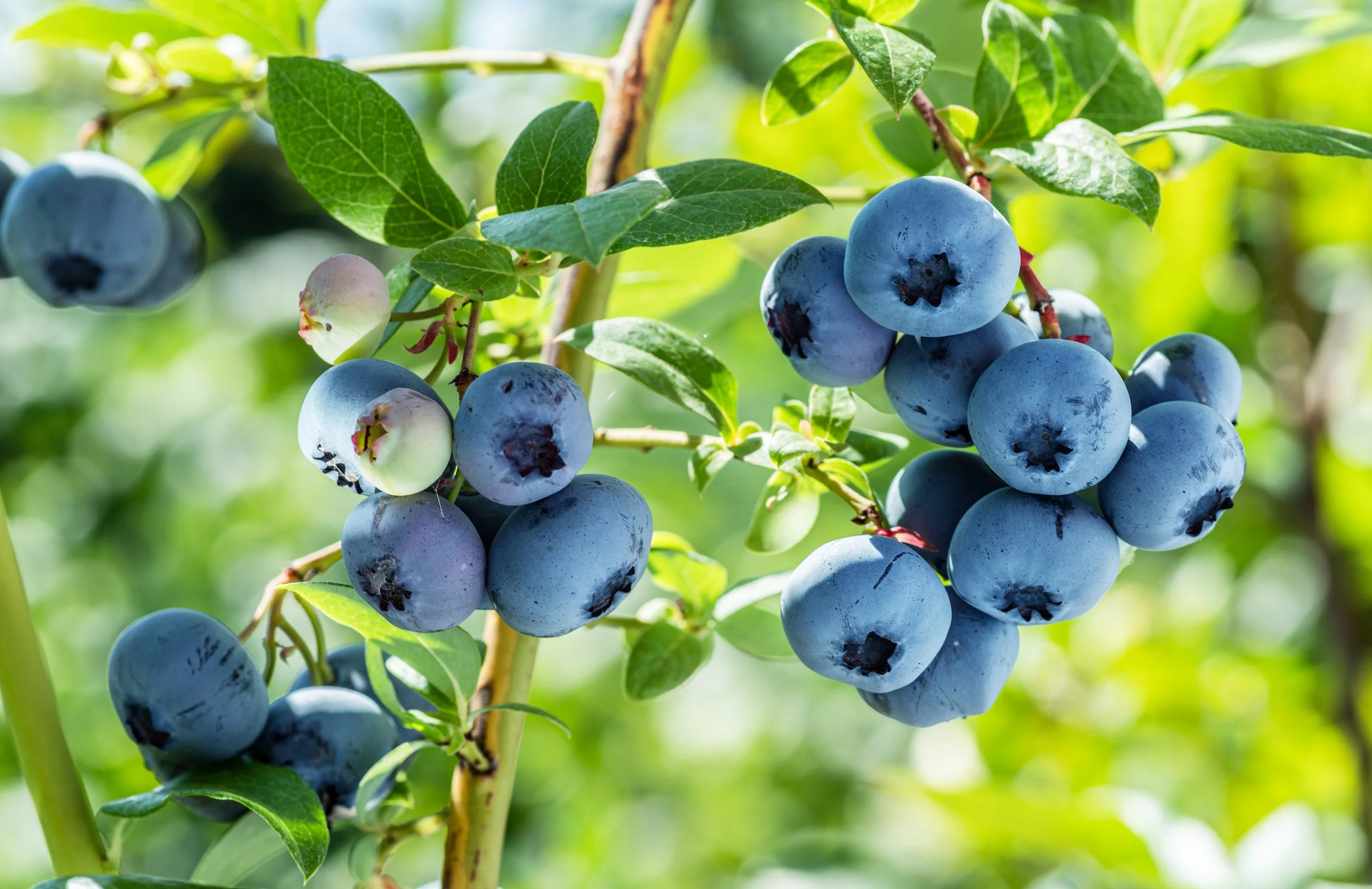
Blueberries are a native shrub with gorgeous flowers, fruit, and fall color.
Ready to Transform Your Main Line Landscape?
Creating a lush, low-maintenance landscape that includes native species and edible plants is such a fun way to make your outdoor spaces come alive. When you anchor that space with a gorgeous bluestone patio, you are creating a landscape that kids and adults can enjoy year-round.
If you are ready to design a backyard that invites nature in and draws your guests out, the team at Union Landscape Design is here to help.
Contact us today to schedule your consultation, and let’s start planning your perfect outdoor retreat.
Explore our Pricing Packages to see real examples and find the right starting point for your project.
— Union Landscape Design
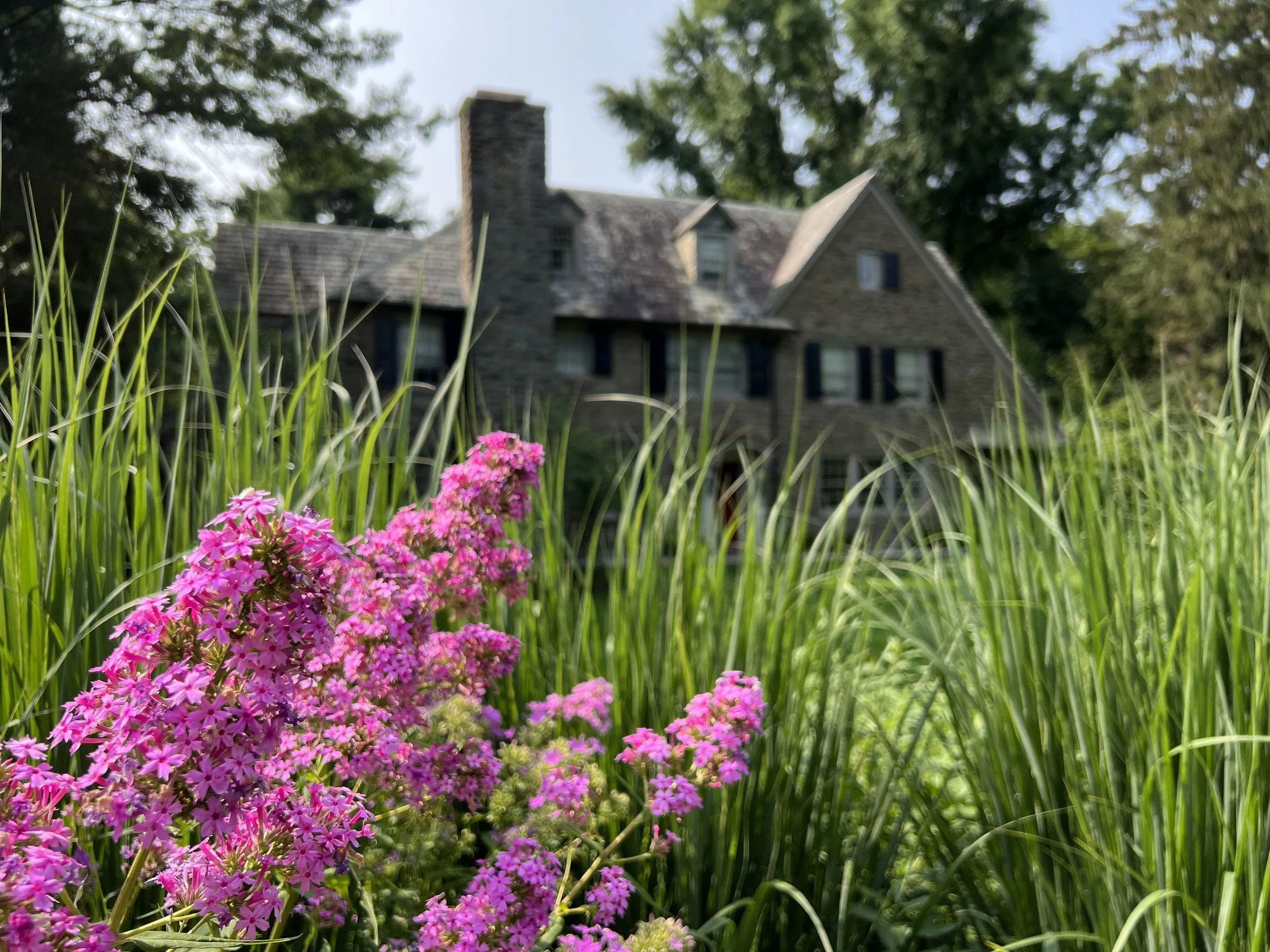
How to Start a Custom Landscape Design for Your Main Line Home
Curious about landscape design but unsure where to start? Union Landscape Design helps Main Line homeowners create beautiful, functional gardens with a clear design process.
Creating a Beautiful, Low-Maintenance Landscape
If you’ve ever looked out at your yard and thought, “I know this space could be beautiful… I just don’t know where to start,” you’re not alone.
Many homeowners are curious about creating a thoughtful, cohesive landscape around their home but feel unsure how the process actually begins. The good news is that designing your landscape doesn’t require doing everything at once. In fact, the best gardens are usually created through a clear, organized design plan that allows improvements to happen step by step.
At Union Landscape Design, we help homeowners throughout the Main Line and Philadelphia suburbs see their property as a complete landscape composition. Once the plan is in place, you can install it in phases or all at once — whatever works best for your timeline and budget.
The key is starting with a framework that makes the process approachable.
Step 1: Start with How You Actually Use Your Space
Before thinking about plants, colors, or garden styles, the most important question is surprisingly simple:
How do you move through and use your property every day?
Your landscape should make daily life easier and more enjoyable. Some of the most important design ideas come from observing everyday routines.
Think about questions like:
How do you move between your car and the house when carrying groceries?
Where do kids enter the house after school or sports practice?
Is there a clear path from the driveway to the front door?
Are there areas where people naturally cut across the lawn?
Where do guests tend to gather when they arrive?
These patterns of circulation help shape pathways, plantings, and outdoor spaces that feel intuitive and comfortable.
A well-designed landscape quietly supports daily life in ways you might not even notice at first — until everything simply feels easier.
Step 2: Consider How You Want to Use Your Outdoor Space
Once the day-to-day flow of the property is understood, we start thinking about how your landscape can support special moments and seasonal use.
Your yard may already have natural spaces that are perfect for gathering, relaxing, or entertaining.
Some questions we often explore with homeowners include:
Do you enjoy hosting summer dinners or outdoor parties?
Would you like a quiet place for morning coffee or reading?
Is there space for a small fire pit or patio gathering area?
Are there views from inside the house that could be enhanced with plantings?
How can the garden feel inviting in every season, not just summer?
A thoughtful landscape design helps your outdoor spaces support both everyday living and memorable moments.
Step 3: Work with the Character of Your Home
Great landscapes always feel connected to the architecture around them.
Whether you live in:
a historic stone home on the Main Line
a classic suburban property
a townhome in the Philadelphia area
or a coastal home near the shore
…the same design principles can help your landscape feel natural, balanced, and timeless.
Rather than forcing a style onto the property, we look closely at the lines, materials, and proportions of the house and let those guide the design.
The goal is a landscape that feels like it has always belonged there.
The Design Principles That Create a Cohesive Landscape
Once circulation, outdoor use, and architectural character are understood, we begin designing the planting framework that brings the garden to life.
Some of the key principles we use in custom landscape design include:
Evergreen Structure
Evergreen shrubs and trees provide the backbone of the garden, giving the landscape form and structure throughout the entire year. Even in winter, the garden still feels defined and intentional.
Winter Interest
A beautiful landscape should look interesting even in January. Plants with colorful stems, textured bark, berries, and seed heads create visual interest during the quieter months.
Layered Planting Design
Professional planting design often works in layers, which helps gardens feel full and natural.
Typically this includes:
Low edging plants along pathways and borders
Medium-height plants that fill the center of garden beds, providing groups of complimentary flowers
Taller shrubs and perennials that provide depth in the background and frame sapces and views.
This layering creates the lush, abundant feeling people associate with well-designed gardens.
Native Perennials with Multiple Seasons of Interest
Many of our favorite plant combinations include native perennials that offer:
varied bloom times from spring through fall
lush foliage throughout summer
fall foliage and seed heads that provide structure
winter interest as mature plant forms dry and persist through colder weather.
These plants not only provide long seasons of beauty, but also support pollinators, birds, and local ecosystems while keeping gardens relatively low maintenance.
A Landscape Plan Creates Clarity
One of the biggest benefits of a custom landscape design is that it allows you to see your property as one cohesive vision rather than a series of disconnected projects.
With a clear plan in place, you can:
install the entire landscape at once
complete the work in phases over time
or simply use the design as a guide for future improvements
Either way, the result is a landscape that feels intentional, organized, and uniquely suited to your home.
Your Landscape Can Be Beautiful and Functional
A well-designed landscape doesn’t just add plants around the edges of a yard. It improves how your property works every day while creating a garden that looks beautiful in every season.
At Union Landscape Design, we work with homeowners throughout the Main Line and Philadelphia suburbs, including Narberth, Merion Station, Wynnewood, Ardmore, Haverford, Bryn Mawr, and beyoned . Our custom landscape designs focus on creating gardens that feel natural, organized, and beautiful in every season while supporting pollinators and remaining practical and easy to maintain.
If you’ve been wondering where to start with your landscape, the first step is simply starting the conversation.
Explore our Pricing Packages to see real examples and find the right starting point for your project.
— Union Landscape Design
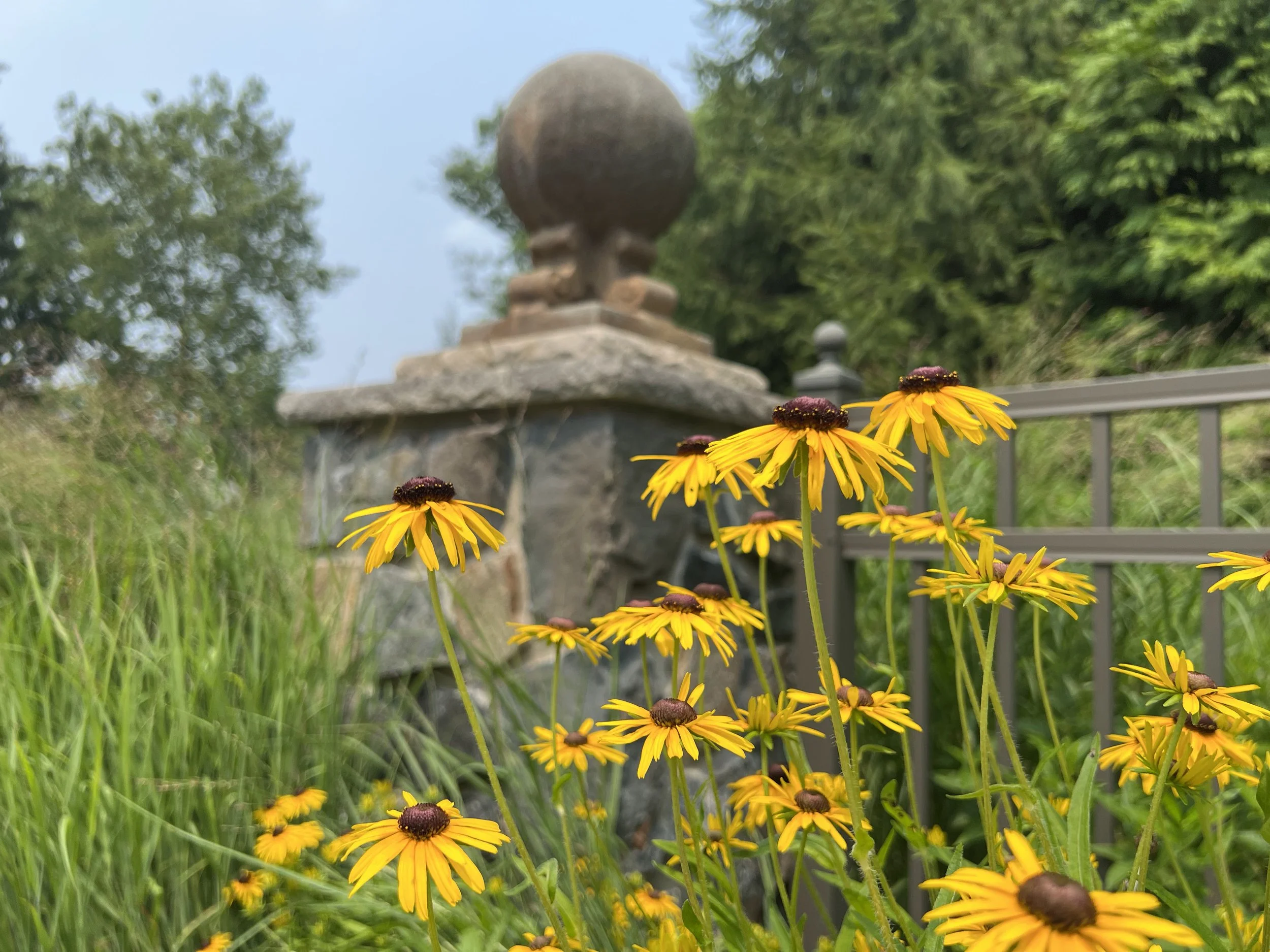
Native Plant Landscape Design on the Main Line: Beautiful, Structured, and Designed with Intention
Native landscape design for Main Line homes. Beautiful, structured gardens that support wildlife without looking messy or out of control.
At Union Landscape Design, we’ve designed landscapes throughout the Main Line — including Merion Station, Narberth, Bala Cynwyd, and surrounding communities. We understand how to create landscapes that complement your home’s architecture while incorporating native plants in a way that feels intentional, refined, and cohesive.
Native Plant Landscape Design on the Main Line: Beautiful, Structured, and Designed with Intention
When homeowners hear the words native plants and native landscapes, they often picture something overgrown, “weedy,” messy, chaotic, and standing out from the neighborhood for the wrong reasons.
Let’s clear that up right away.
Native plants and messy landscapes are not the same thing.
At Union Landscape Design, we’ve spent more than 20 years designing landscapes in Narberth, Merion Station, Wynnewood, Ardmore, Haverford, Bryn Mawr, Villanova, Berwyn, Wayne, Malvern, Devon…most of the neighborhoods along the Main Line.
With a background in design and decades of experience, we understand how to create landscapes that complement your home’s architecture while incorporating native plants in a way that feels intentional, refined, and cohesive.
Native plants are not a style. They’re a plant category. Design is what determines whether a landscape feels elegant or out of control.
What Native Plants Actually Mean
Native plants are species that evolved in our region and are naturally adapted to Pennsylvania’s soil, rainfall, and seasonal cycles. That means:
Stronger root systems
Better drought tolerance
Fewer pest issues
Reduced long-term maintenance
Exceptional support for pollinators and birds.
While individual species can contribute color and wildlife value in anBut the real magic happens when they’re placed with expertise.
Structure, repetition, and thoughtful layering are key elements of any design that create landscapes that feel polished and powerful, not out of control or wild.
Native Landscape Design That Complements Main Line Architecture
The Main Line is known for its established nerighborhoods full of beautiful homes. Historic stone colonials, brick estates, Tudor revivals, and transitional renovations. A successful landscape should enhance, not compete with, these architectural styles.
With two decades of experience designing landscapes along the Main Line, we know how to:
Match the scale of plants to your home and property so the landscape feels cohesive
Frame entryways and focal points to guide guests to your door
Balance symmetry and softness so the landscape is structure and dynamic
Layer plantings for four-season interest
Define spaces with structure and flow
Whether your property is sunny or shaded, expansive or intimate, formal or relaxed, native plants can be composed to highlight your entire home and property.
March on the Main Line: When Landscapes Wake Up
After months of snow and cold, March is when the landscape comes alive.
Soil temperatures rise.
Roots begin activating.
Bulbs push upward.
Stored winter energy turns into new growth.
Native plants are uniquely tuned to this rhythm. They emerge at the right time, respond naturally to our climate, and build strength year after year.
Spring is when thoughtful landscape design truly reveals itself.
Native Plants Work in Every Garden Style
One of the biggest misconceptions about native landscaping on the Main Line is that it only works in informal meadow settings.
In reality, native plants can shape a variety of landscape styles:
Cottage-Style Native Gardens
Lush groupings of flowering perennials, layered textures, and extended bloom seasons — structured yet abundant.
Meadow-Inspired Designs
Ornamental grasses combined with structural perennials create movement, rhythm, and four-season visual interest.
Pollinator & Wildlife-Focused Landscapes
Designed to maximize ecological value while maintaining clean lines, intentional plant groupings, and architectural harmony.
The key is design expertise. Native plants become refined when thoughtfully composed.
Low-Maintenance Landscaping That Still Feels Elegant
Many homeowners across the Main Line are searching for:
Low-maintenance landscaping
Sustainable garden design
Pollinator-friendly gardens
Native plant installations
But there’s often hesitation. No one wants their front yard to look unmanaged.
Here’s the reassurance: a professionally designed native landscape can be:
Lower maintenance
Environmentally supportive
Architecturally appropriate
Visually striking
You do not have to choose between ecological value and beauty.
With intentional design, you get both.
The Union Landscape Design Approach
At Union Landscape Design, we combine:
20 years of local experience
Deep knowledge of native plant performance
Architectural sensitivity
Practical installation expertise
We don’t install “wild” gardens. We design custom landscapes tailored to your home, for your property, and aligned with your goals. The result is a landscape that feels grounded, elegant, and looks great along the Main Line.
Ready to Rethink Native Plants?
If you’ve been curious about native landscaping but hesitant about the aesthetic, now is the perfect time to explore what’s possible.
Spring is approaching. The soil is warming. Growth is beginning.
A thoughtfully designed native landscape can refresh your property, support wildlife, reduce long-term maintenance, and elevate your home’s presence — all at once.
And it can do so beautifully.
Explore our Pricing Packages to see real examples and find the right starting point for your project.
— Union Landscape Design
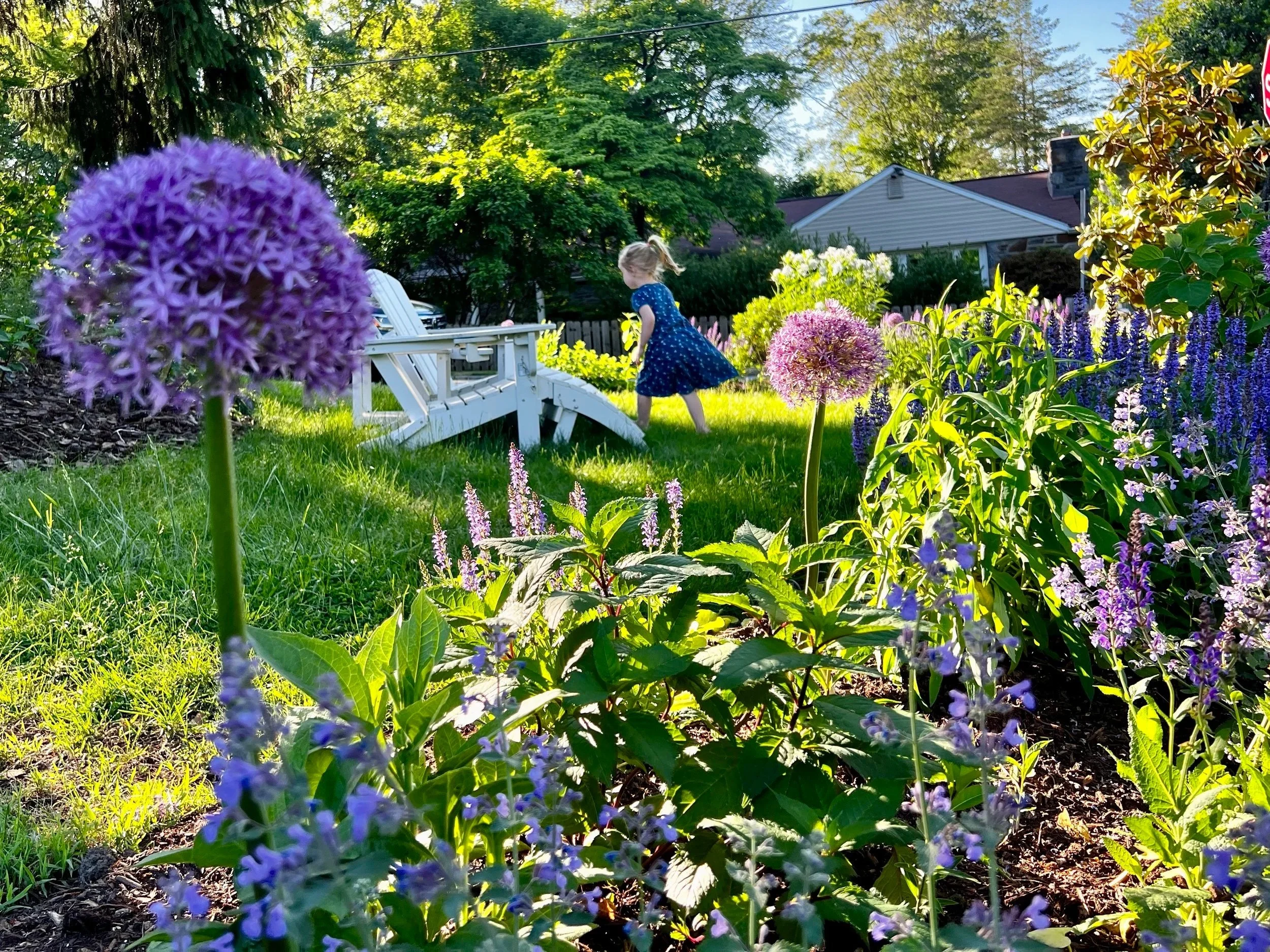
Main Line Landscape Design Trends: Blending Classic Gardens with Modern Living
Discover how Main Line homeowners are blending classic landscape design with sustainability and outdoor living. Serving Bryn Mawr, Narberth, Haverford, Wayne, Merion Station, Bala Cynwyd and beyond.
Homeowners throughout the Main Line from Narberth and Bala Cynwyd to Bryn Mawr and Wayne are rethinking what landscape design really means.
For decades, landscaping often meant maintaining what was already there. Trim the hedges. Edge the beds. Refresh the mulch. Rather than being an design extension connected to your home, the landscape was seen more as “Yard Work”
But contemporary, designed landscapes tell a different story.
Homeowners are looking for outdoor living spaces. Native plant gardens aren’t just a fringe trend, but make sense for reducing maintenance and supporting pollinators Rain-friendly landscapes can manage water, in all seasons. Layered, expressive plant palettes are replacing previous landscapes of azaleas, boxwood, ivy and pachysandra. People are searching for landscapes that feel intentional.
The shift is clear. The Main Line is moving from “just landscaping” the outdoor portions of their properties to purposeful design.
Let’s break down what that means for you and your property.
The Problem: Beautiful Homes with Landscapes That Feel Disconnected
The Main Line is known for its historic homes and established gardens. Mature trees. Stone walls. Traditional foundations.
Yet many homeowners quietly feel the same frustration:
The front yard lacks curb appeal
The backyard is underused
The planting feels dated or high-maintenance
Outdoor spaces do not support how the family actually lives
There is often nothing technically wrong. But something feels incomplete.
In a region where architecture carries presence and character, the landscape should rise to meet it.
You Love Your Home. You Just Want the Outside to Match.
If you live in Bryn Mawr, Narberth, Wayne, or Bala Cynwyd, chances are you care deeply about your property. The Main Line attracts homeowners who value timeless design and long-term investment for their home along with wider outdoor areas of their property.
It makes sense that you would want:
A landscape that respects the character of your home
Plantings that thrive in southeastern Pennsylvania
Outdoor spaces that encourage gathering and relaxation
A property that feels cohesive and intentional
You are not looking for trends for the sake of trends. You want thoughtful design that balances beauty, ecology, and function.
That desire is not excessive. It is wise.
The Answer: Purposeful Landscape Design That Balances Beauty and Function
At Union Landscape Design, we help Main Line homeowners bridge the gap between classic foundations and modern living.
Today’s most searched landscape design trends reflect three key priorities:
1. Sustainability with Structure
Native and regionally adapted plants. Layered perennial systems. Thoughtful stormwater management.
Sustainability does not mean wild or unkempt. It means intelligent plant selection and design that works with the land, not against it.
2. Outdoor Living as an Extension of the Home
Patios that feel integrated. Garden rooms defined by planting. Fire features and seating areas that encourage connection.
Your backyard should not be an afterthought. It should function as usable square footage.
3. Expressive, Layered Plant Palettes
Main Line properties lend themselves to depth. Structured evergreens paired with flowering perennials. Texture against stone. Movement against architecture.
Purposeful design transforms a yard into an experience.
How We Guide You Through the Process
One of the biggest barriers homeowners face is uncertainty around scope and investment. That is why we structure our design services with clear tiers:
Small Garden – Ideal for focused front yard transformations
Medium Yard – Balanced curb appeal and backyard function
Larger Home – Comprehensive property planning
Custom Estate – Full scale master planning and phased implementation
By defining scope early, we help you move from vague ideas to a clear, actionable design plan.
Purposeful landscapes do not happen accidentally. They are designed with intention.
Beginning your design - It Starts with a Conversation
If you have ever looked at your landscape and felt that it could be more cohesive, more functional, or more reflective of your home’s character, now is the time to explore what is possible.
The Main Line is evolving. Landscape design is evolving with it.
Schedule a consultation with Union Landscape Design and begin the process of creating a landscape that feels complete.
The Successful End State: A Landscape That Feels Like It Belongs
Imagine pulling into your driveway and feeling alignment between home and garden.
Imagine stepping into your backyard and actually using it.
Imagine lush, native perennial plantings that thrive season after season with intention behind every layer and create beautiful habitat for pollinators.
That is the difference between maintenance and design.
On the Main Line, where history and architecture matter, your landscape should not simply fill space, it should tell your story for your space unifying your home inside and outside.
If you’re ready to explore how your landscape could fulfill your dream vision, check out our Pricing Packages to see real examples and find the right starting point for your project.
— Union Landscape Design
As the Snow Melts: Early Signs of Spring in Merion Station and Narberth
See the early signs of spring in Merion Station and Narberth and learn why late winter is the perfect time to plan your landscape for the upcoming growing season.
Winter is still technically here, but if you’ve stepped outside lately, you’re noticing the shift.
The days are getting longer. The light feels a little brighter. The air softens just enough to make you pause and think… spring cannot be too far away.
And then you see it.
Those first green shoots emerging through the soil.
The First Hint of Spring in the Garden
As the snow melts across Merion Station and Narberth, the landscape starts revealing its quiet awakening.
Daffodils are usually the first to break through. Bright green tips pushing up through the cold ground like tiny promises that warmer days are coming. It is one of the most welcome sights of late winter.
And it is only the beginning.
Early Beauty in Shadier Spaces
Shady garden areas often wake up first in early spring. Before trees leaf out, these spaces enjoy gentle filtered sunlight that early perennials love.
Keep an eye out for:
Mertensia Virginia bluebells
Soft foliage followed by luminous blue flowers that almost glow in spring light.
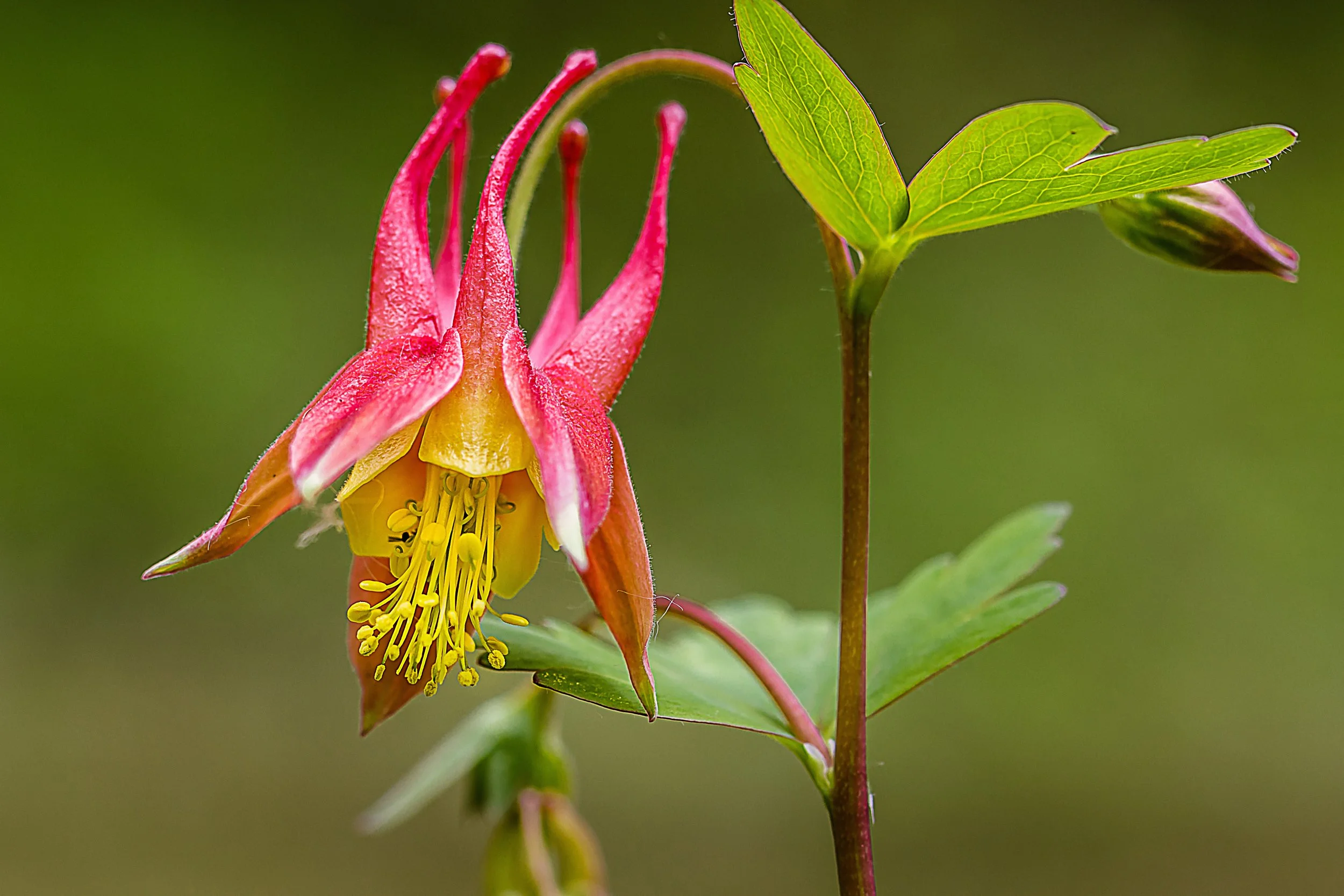
Columbine
Graceful, nodding blooms that add movement and a touch of whimsy.
Tiarella Foamflower
Airy white blossoms floating above textured leaves, subtle yet elegant.
These native spring perennials thrive in woodland edges and shaded garden beds, making them ideal for many Main Line properties.
Sunny Garden Favorites Waiting Their Turn
While early bloomers steal the spotlight, sunny areas are preparing for a longer seasonal show.
As spring moves toward summer, look for:
Amsonia
Starry blue flowers, fine textured foliage, and beautiful golden fall color.
Baptisia False indigo
Bold, architectural, and incredibly resilient.
Penstemon Eastern Beardtongue
Elegant flower spikes that hummingbirds and pollinators adore.
These perennials bring structure, durability, and long-lasting beauty to sunny landscapes.
The Unexpected Gift of Winter
By this point in the season, most homeowners are more than ready for spring.
But those snowy weeks indoors offer something valuable:
time to reflect and plan.
Without the rush of mowing, weeding, and watering, it becomes easier to think about your landscape with clarity:
• What felt underwhelming last year
• Where you could use more color or privacy
• How outdoor spaces could function better
Why Now Is the Perfect Time for Landscape Planning
Here is something many homeowners in Merion Station and Narberth discover too late.
Once spring arrives, schedules fill quickly. Nurseries are busy. Contractors book up. Decisions often feel rushed.
Planning your landscape now allows for:
A thoughtful, cohesive design
Access to the best plant selections
Installation timed perfectly for the growing season
Whether you are considering a front yard refresh, new foundation plantings, a patio redesign, or a garden filled with native plants, late winter is actually the ideal moment to begin.
Spring Is Coming. Let’s Get Ready.
As the snow melts and daffodils begin to emerge, the landscape is already stirring back to life.
If you are feeling inspired to enhance curb appeal, improve your outdoor living spaces, or invest in a landscape you truly love, you are right on time.
Spring always arrives faster than we expect.
Explore our Pricing Packages to see real examples and find the right starting point for your project.
— Union Landscape Design

Will This Snow Ever Melt? Why Winter Is (actually) the Best Time to Plan Your Landscape
Waiting for spring? Learn how winter is the best time to plan landscaping, improve privacy, and prepare for spring planting in Narberth, Haverford, and Wynnewood.
It certainly feels like it won’t, especially when the ground is frozen solid and the landscape looks more like a blank white canvas than a garden. But spring always arrives, often faster than we expect. And when it does, everything moves quickly.
That’s why winter is not a season to ignore your landscape, it’s the season to prepare for it.
If I can’t plant anything now, why think about my landscape at all?
Because spring is for planting, but winter is for planning.
Once temperatures rise, homeowners in Narberth, Haverford, and Wynnewood often feel immediate pressure to make decisions: which plants to choose, where to screen neighbors, how to improve curb appeal. Without a plan, those decisions can become rushed or reactive.
Using winter to think strategically allows spring planting season to be efficient, intentional, and far more rewarding.
What does winter reveal about my landscape?
Winter is the most honest season in the garden. Without leaves, flowers, or lush growth, the underlying structure of the landscape is fully visible.
This is often when homeowners notice:
Privacy gaps that disappear once trees leaf out
Clear sightlines to neighboring homes, streets, or utilities that would be better to screen.
Front-yard approaches that feel less welcoming than they should
Imbalances in scale, rhythm, or flow in the structure that foliage usually hides
Snow may make planting impossible, but it also brings clarity emphasizing the balance or imbalance in your landscape.
Can winter really help solve privacy and screening issues?
Absolutely. Winter is often the best time to identify them.
When you can see directly into a neighbor’s window…or they can see into yours…it becomes easier to understand where evergreen screening, layered planting, or structural elements would improve comfort year-round.
This kind of assessment is especially valuable on the in mature neighborhoods like Narberth, Haverford, and Wynnewood where close property lines and construction and home renovation change sightlines.
What should I be thinking about while the ground is frozen?
While the weather may feel like a frozen tundra, winter is an ideal time to consider:
Privacy and screening strategies using evergreens and layered plantings
Views and visibility from inside the home and from the street
Arrival experience for guests approaching your front door or driveway
Circulation and flow, including walkways and connections between spaces
Long-term goals, not just what you want this summer, but how the landscape should mature over time and create a beautiful experience for you and your guest.
These questions are much easier to answer when the garden isn’t actively growing and there’s no rush to get plants in the ground immediately.
How does winter planning make spring better?
Spring planting windows are short, and demand is high. Nurseries sell through popular plants quickly, and installation schedules fill fast.
Having a clear landscape plan in place before the thaw means:
Plant choices are intentional, not based on last-minute availability
Layouts and materials are coordinated in advance
Early spring planting opportunities aren’t missed
Decisions feel calm and confident rather than rushed
So… should I really be thinking about my landscape right now?
Yes! Even while the snow is still on the ground.
Winter provides the opportunity to assess challenges, identify opportunities, and create a thoughtful plan. When spring finally arrives you will ready to make the most of those warm days instead of scrambling to catch up.
The snow will melt. The ground will thaw.
Planning now ensures spring is a season of growth, not guesswork.
Frequently Asked Questions About Winter Landscape Planning
Is winter a good time to plan landscaping?
Yes. Winter is ideal for evaluating structure, privacy, and long-term goals without the distraction of active growth.
When should I start planning my spring landscape?
Late fall and winter are the best times to develop a plan so you’re ready to act as soon as planting season begins.
Can I improve privacy in my yard before spring?
You can’t plant immediately, but winter planning allows you to design evergreen screening and layered plantings that can be installed as soon as conditions allow.
Do I need a full redesign to make improvements?
Not necessarily. Many landscapes benefit from targeted updates like screening, improved circulation, or enhanced arrival sequences. Prioritizing areas that you and your guests will see every time they come to your home can create a powerful impact while still controlling the budget.
Thinking About Your Landscape This Winter?
If you’re considering landscape planning in Narberth, Haverford, or Wynnewood, winter is an ideal time to start the conversation. Thoughtful planning now ensures that when spring arrives, your landscape is ready to move forward with clarity and purpose.
Explore our Pricing Packages to see real examples and find the right starting point for your project.
— Union Landscape Design
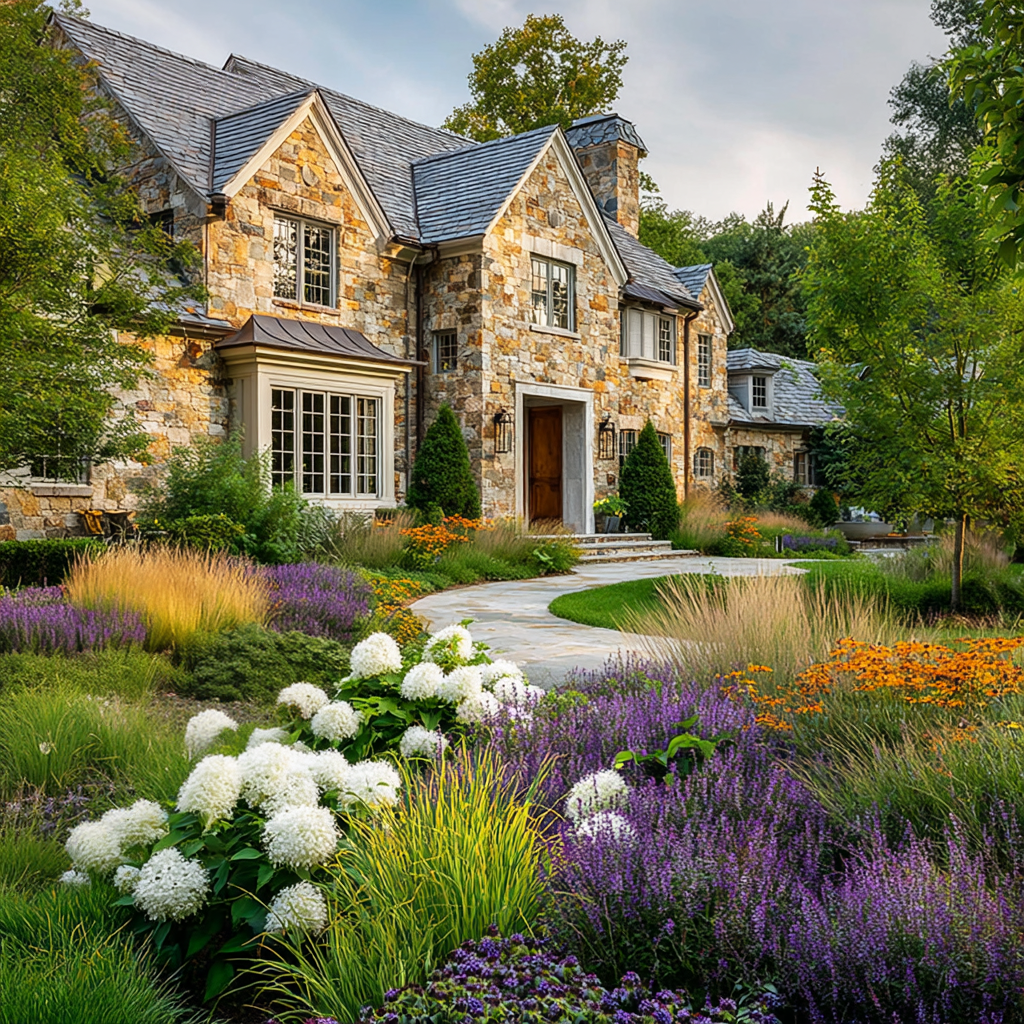
Winter Landscape Planning on the Main Line: Questions Homeowners Ask (and Why Now Matters)
Winter is the best time to plan landscape improvements. Union Landscape Design serves the Main Line & Philadelphia suburbs with thoughtful, four-season design.
Winter may not feel like landscaping season, especially when the ground is frozen or snow covered. But for homeowners on the Main Line and throughout the Philadelphia suburbs, winter is one of the most valuable times to evaluate and improve the landscape.
By stepping back during the quiet months, you can identify opportunities that will strengthen your property year-round—and make the biggest impact in late fall and winter, when thoughtful design really shows.
Below, we answer common questions homeowners ask about what can be planned and improved during winter, even before spring arrives.
What can I do to improve my landscape in winter?
Winter is ideal for planning and design, even if installation must wait until spring.
With plants dormant and sightlines open, winter allows you to clearly assess:
How people move through your property
Where privacy is lacking
Which areas feel empty or uninviting
Whether your landscape offers interest beyond the growing season
These observations form the foundation for smarter, more intentional improvements.
For Main Line homes—where mature properties, close neighbors, and architectural context matter—this clarity is incredibly useful.
Can hardscaping be planned in winter?
Yes—winter is an excellent time to plan hardscape elements such as pathways and patios.
Hardscaping shapes how a landscape functions, and winter makes circulation patterns easier to see. This is especially important on larger Main Line properties, where movement through the landscape should feel natural and intuitive.
Winter planning allows you to consider:
Walkways that guide visitors from driveway to front door
Garden paths that encourage exploration of the broader landscape
Patios that connect indoor and outdoor living spaces
Thoughtfully designed pathways and patios improve both usability and visual structure, even when plantings are dormant.
How can I improve circulation through my landscape?
When foliage is gone, it becomes clear where circulation breaks down.
Winter is the best time to notice:
Areas where foot traffic cuts through lawns
Routes that feel awkward or indirect
Missing connections between key areas of the property
Designing walkways and lawn paths now helps protect turf, improves accessibility, and creates a more intentional flow through the landscape once spring arrives.
Is winter a good time to think about privacy and screening?
Absolutely. Winter is when privacy issues are most visible.
Without leaves, unwanted views often become obvious:
Neighboring homes
Trash and recycling areas
Utilities or mechanical equipment
This is the ideal time to plan for evergreen screening, layered plantings, or ornamental grasses that provide privacy without feeling heavy. Adding evergreens in the right locations improves the landscape year-round, but their value is greatest in late fall and winter.
How can I add winter interest to my landscape?
A well-designed landscape should feel intentional in every season, not just spring and summer.
Winter planning allows you to incorporate plants that provide:
Semi-evergreen foliage
Colorful berries for seasonal interest
Distinctive stems that stand out against snow
Textural contrast through foliage and grasses
These elements bring life to the landscape during winter while building anticipation for spring growth.
Can these improvements be done with native plants?
Yes—and this is one of the most rewarding aspects of winter landscape design.
Many native plants offer:
Low maintenance once established
Strong seasonal interest
Valuable habitat and food sources for wildlife
Native evergreens, berry-producing shrubs, colorful-stemmed plants, and grasses can all be used to create landscapes that are beautiful, resilient, and ecologically supportive—without sacrificing a refined, intentional look.
Why does winter planning make such a big impact later in the year?
The design choices you make in winter shape how your landscape performs year-round.
Elements like hardscaping, circulation, screening, and winter-interest planting:
Beautify the property in every season
Create structure and clarity in late fall and winter
Make spring and summer plantings feel more cohesive and purposeful
By addressing these fundamentals early, homeowners avoid rushed decisions and achieve more lasting results.
When should I contact a landscape designer on the Main Line?
Winter is one of the best times to begin working with a landscape designer, before spring demand peaks.
Early planning allows for:
More thoughtful design decisions
Better coordination with planting and installation schedules
A smoother transition into spring construction
At Union Landscape Design, we help homeowners throughout the Main Line and Philadelphia suburbs turn winter observations into landscapes that work beautifully in every season.
Even while the ground is frozen, this is the moment to envision what your landscape can become—and be ready when spring finally arrives. Now is a wonderful time to reach out to begin developing a plan for a landscape that feels refined, balanced, and beautiful year-round.
Explore our Pricing Packages to see real examples and find the right starting point for your project.
— Union Landscape Design
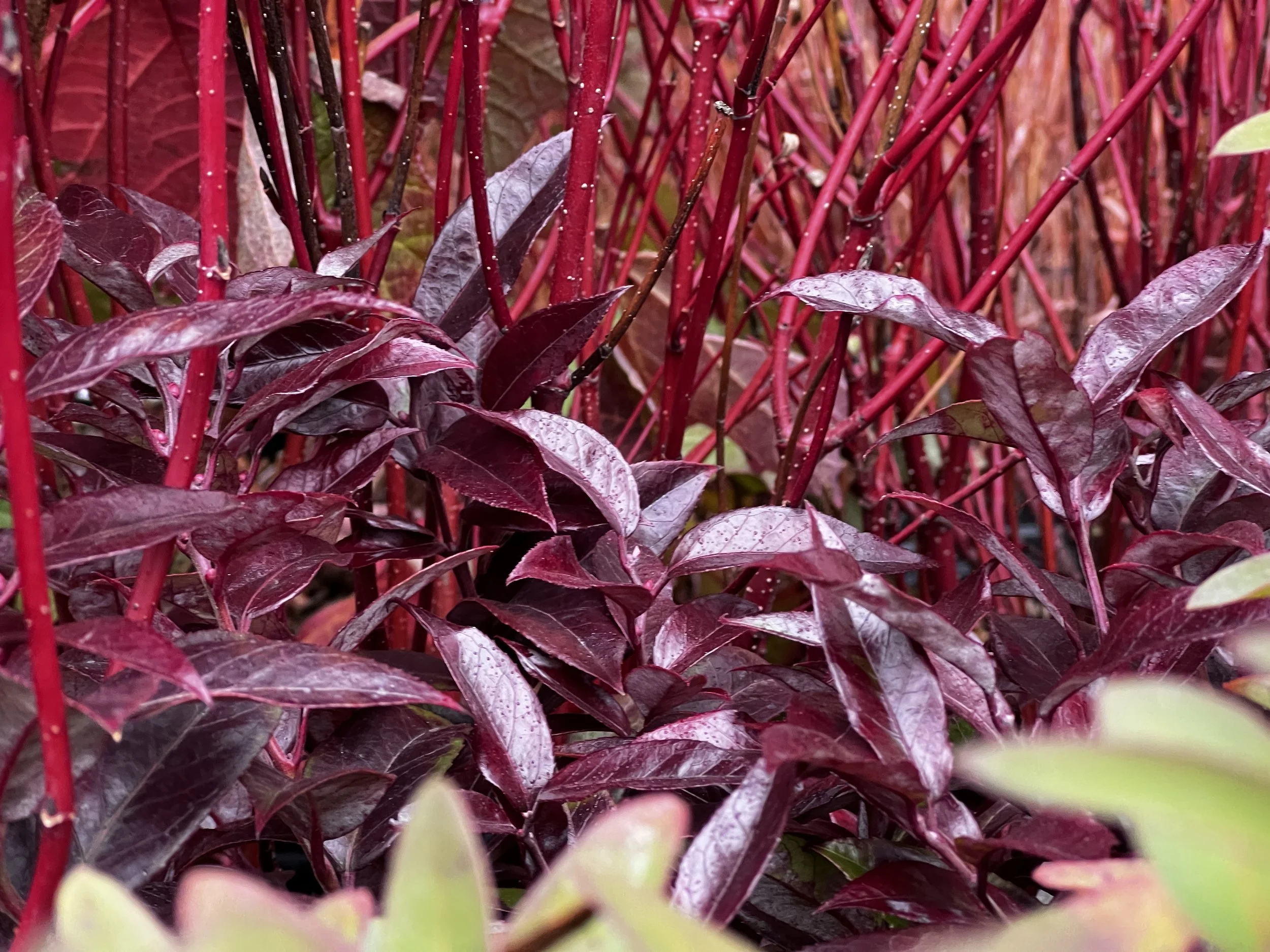
A Beautiful Landscape to Welcome the New Year
Winter is a quiet but powerful season in the landscape. Discover how evergreens, native plants, grasses, and thoughtful planning create a beautiful, low-maintenance landscape year-round.
Winter can be one of the most challenging seasons in the landscape.
Shorter days, colder temperatures, and dormant gardens can make outdoor spaces feel quiet or even forgotten. And yet, winter plays a critical role in the long-term health and beauty of a well-designed landscape. Dormancy allows plants to reset, store energy, and emerge stronger in the seasons ahead. Colder temperatures can even help naturally manage pests and disease.
The goal isn’t to fight winter but to design a landscape that feels intentional, balanced, and beautiful through it.
Why Winter Beauty Matters
When the garden slows down, structure and form take center stage.
A thoughtfully designed winter landscape offers more than visual appeal. It creates moments of calm, something meaningful to enjoy from your windows, and a sense of continuity as one year gives way to the next. Winter beauty is subtle, refined, and deeply tied to quality design decisions made long before the first frost.
Designing a Landscape That Holds Its Beauty All Year
Evergreens as the Foundation
Evergreens provide the framework that carries a landscape through winter. Trees like Southern Magnolia offer year-round presence with glossy foliage and a sculptural form that feels timeless. At the shrub layer, Inkberry Holly and Leucothoe create rich evergreen masses that work beautifully in foundation plantings, woodland edges, and refined naturalistic designs.
These plants anchor the landscape, offering consistency and elegance in every season.
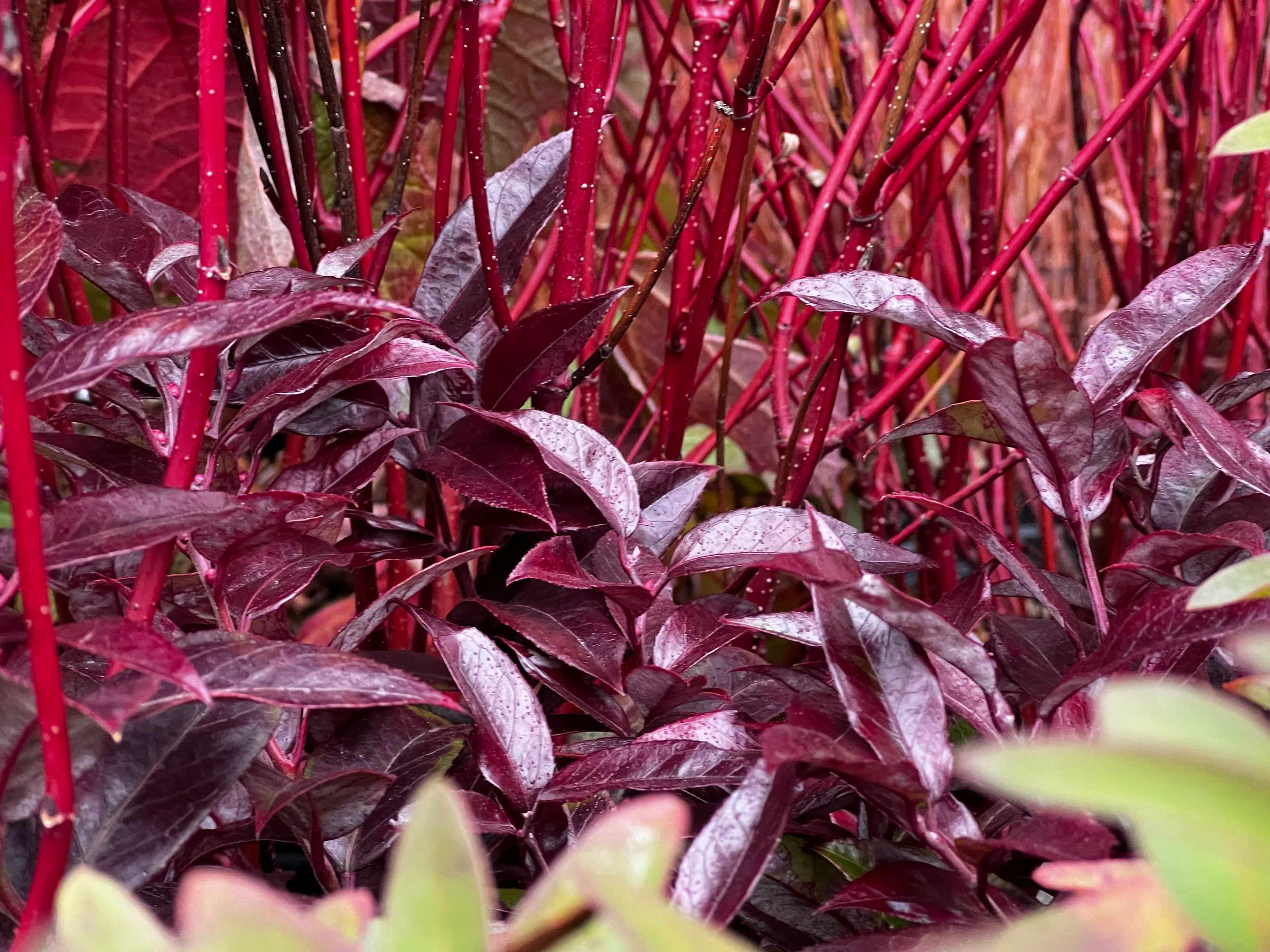
The rich burgundy leaves of Leucothoe add evergreen depth to the landscape in winter
Native Shrubs with Berries and Seasonal Color
Native shrubs bring understated drama to the winter garden while supporting wildlife.
Brandywine Viburnum provides layered seasonal interest
Winterberry Holly offers striking red berries that persist into winter
Red Twig Dogwood adds bold color through vibrant stems, especially against snow
These selections add warmth, contrast, and life when much of the landscape is at rest.
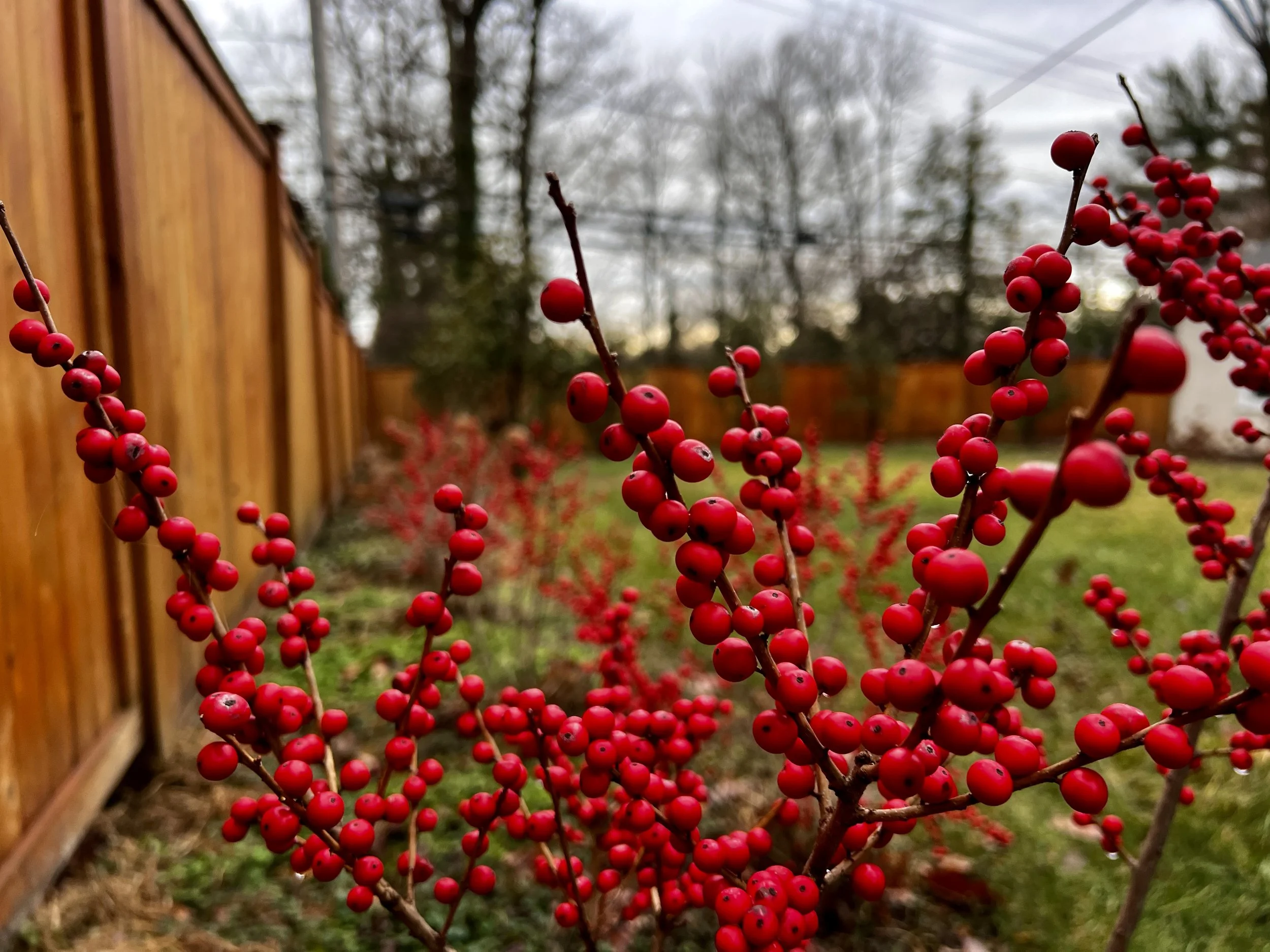
Winterberries provide a bright pop of color as leaves drop.
Grasses That Add Movement and Texture
Ornamental grasses introduce softness and motion to the winter landscape. Little Bluestem, Switchgrass, and Prairie Dropseed are beautiful native options available in a range of forms, from upright and architectural to gently mounded.
Left standing through winter, grasses catch frost, snow, and low light, adding quiet movement and refinement with very little maintenance.
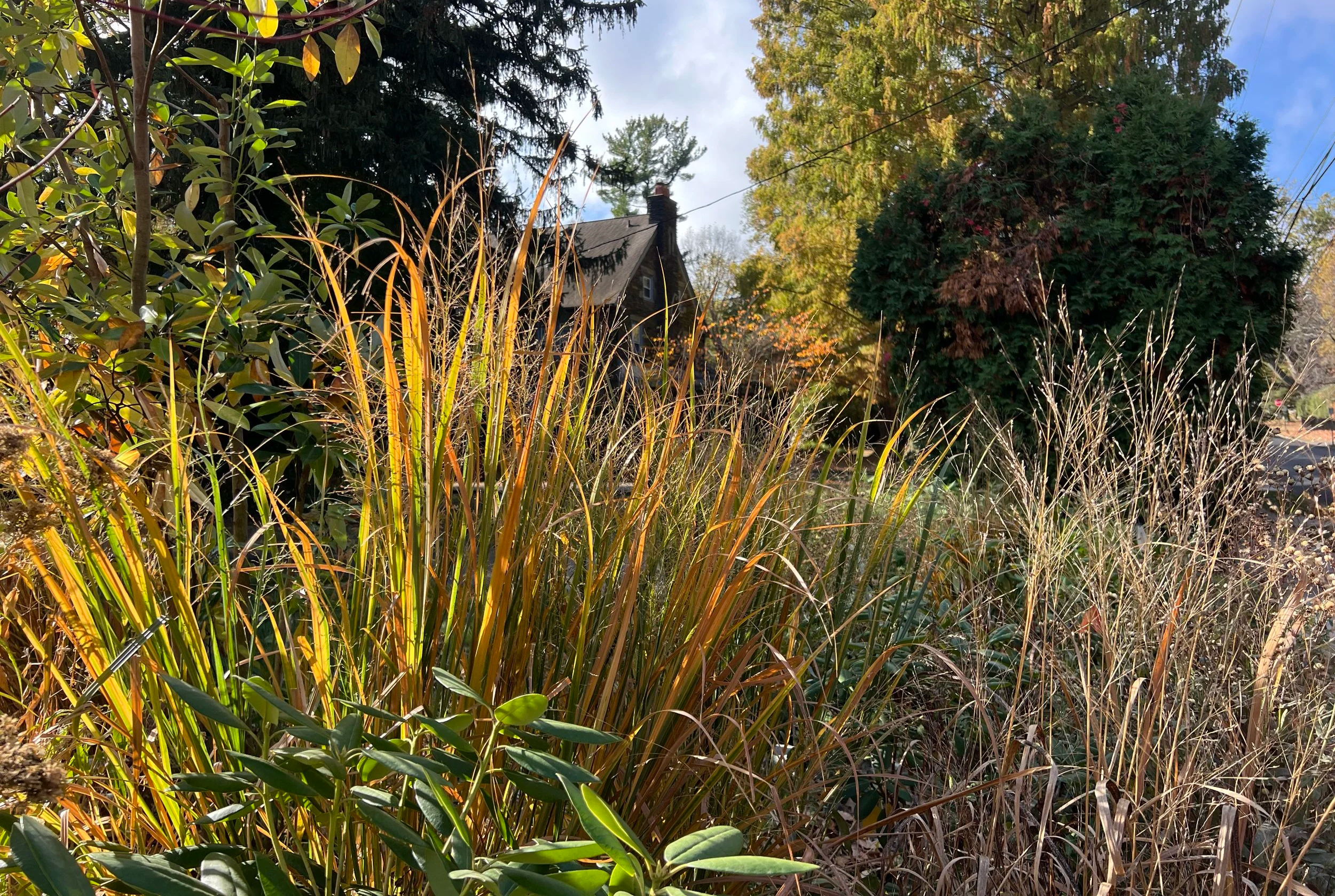
Switchgrass is a beautiful native grass that stays standing through winter
Perennials That Don’t Disappear
Perennials don’t need to vanish entirely once temperatures drop.
Plants like ‘Purple Beauty’ Creeping Phlox, Heuchera, and Penstemon ‘Husker Red’ retain all or part of their foliage through winter, helping planting beds feel grounded and complete. Their foliage adds texture and subtle color that enhances the overall composition of the landscape.
Winter Is the Ideal Time to Plan
As the new year begins, your landscape doesn’t have to wait for spring to feel inspiring.
Now is a wonderful time to reach out to begin developing a plan for a landscape that feels refined, balanced, and beautiful year-round.
Explore our Pricing Packages to see real examples and find the right starting point for your project.
— Union Landscape Design
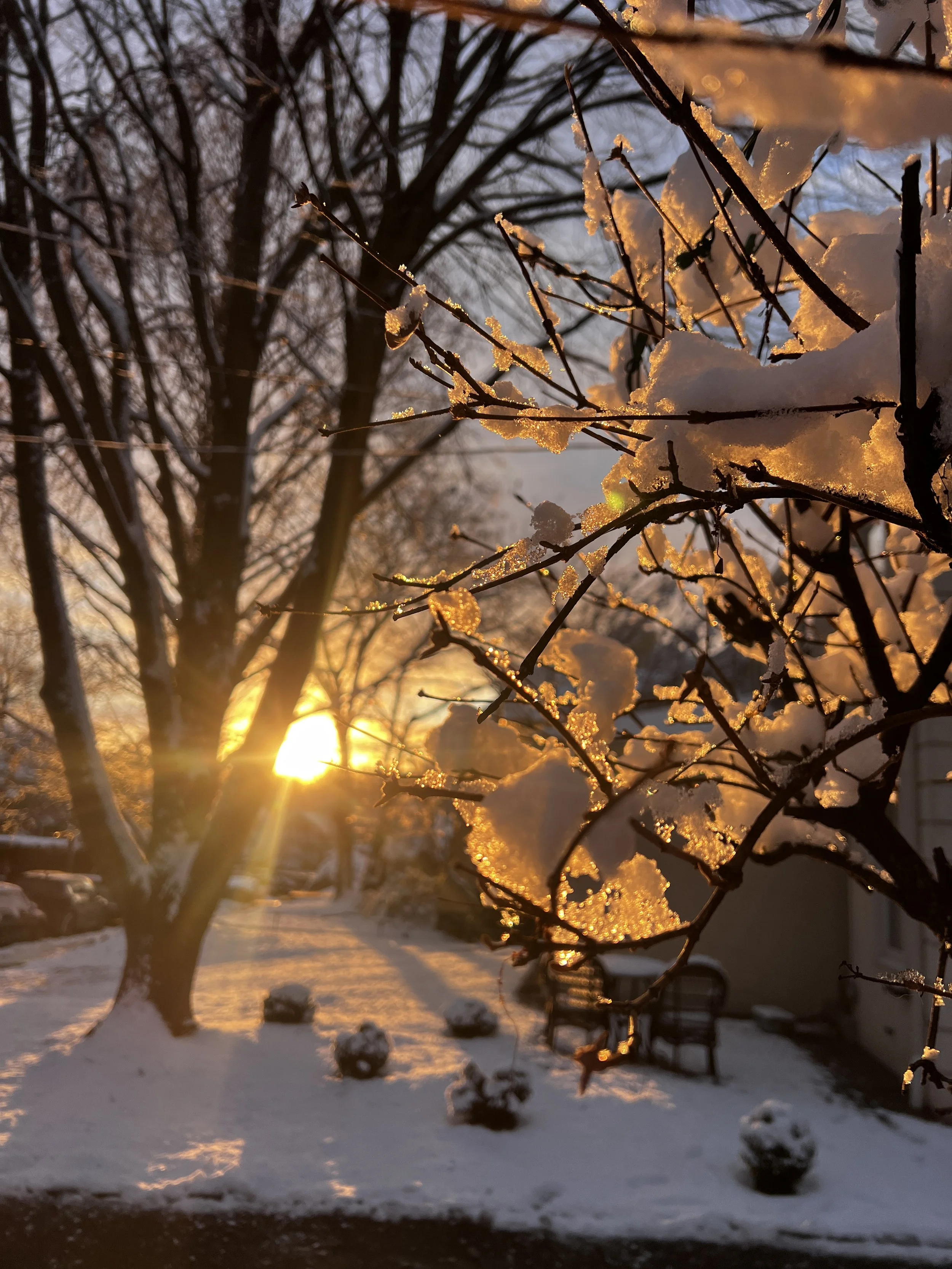
What Can I Do With My Landscape in Winter? Designing a Landscape That Looks GREAT Year Round
Feeling bored with your landscape in winter? Learn how trees, shrubs, native plants, and grasses can add structure, color, and wildlife value to your landscape during the colder months.
As winter settles in, many homeowners start to feel disconnected from their outdoor space. The landscape that felt lush and engaging in summer can suddenly feel flat, quiet, and uninspiring once leaves fall and gardens go dormant.
As a landscape designer, I often remind clients that winter is not a pause button. It is a season that reveals structure, texture, and thoughtful design. With the right plant choices and a long term approach, your landscape can remain visually engaging, low maintenance, and beneficial for wildlife all year.
Does Your Landscape Feel Flat During Winter?
If your landscape feels dull in winter, it is often because it relies heavily on plants that only perform during the growing season. A well designed landscape considers how a space looks in every month of the year, not just when everything is in bloom.
Winter is when strong design really shows. Form, structure, and plant selection matter more than flowers. This is also where native plants and resilient plant communities quietly do their best work.
Trees and Shrubs That Add Color and Structure in Winter
Some of the most impactful winter landscapes rely on woody plants that shine when everything else fades.
Trees like Hawthorn and shrubs like Winterberry produce bright red fruit that stands out beautifully against snow and gray skies. These berries not only add color but also provide an important food source for birds during the coldest months, making your landscape more supportive of local wildlife.
Wonderful evergreens like Southern Magnolia and Eastern Red Cedar provide beautiful foliage in a variety of forms.
Shrubs such as red twig dogwood bring strong visual interest through their vivid red stems. They create contrast and energy when the garden would otherwise feel dormant.
Evergreens like Inkberry and Rhododendron anchor the landscape year round. Their foliage maintains structure, reduces the need for seasonal replacements, and supports a low maintenance landscape that still feels intentional in winter.
Native Grasses Bring Texture and Movement to the Winter Landscape
A winter landscape does not need to feel rigid or bare. Native grasses play a key role in keeping the garden dynamic long after fall.
Little Bluestem and Panicum, commonly known as switchgrass, stay upright well into winter. They catch frost, snow, and low winter light, creating movement and texture even on quiet days. These grasses pair beautifully with shrubs and evergreens while also providing shelter for birds and overwintering insects.
Leaving grasses standing through winter is a simple design choice that supports wildlife while reducing unnecessary cleanup.
Perennials That Hold Their Presence Through Winter
While many perennials disappear completely, some maintain basal or semi evergreen foliage unless temperatures become extreme.
Plants like Husker Red Penstemon, Heuchera Autumn Bride, and Creeping Phlox offer subtle color and ground coverage well into winter. These layers help the landscape feel finished rather than forgotten, especially in more protected areas of the garden.
Thoughtful perennial selection reduces the need for seasonal replanting and contributes to a landscape that feels stable and cohesive year round.
Winter Is the Best Time to Plan Your Landscape
If you are spending more time indoors than you would like and looking out at a landscape that feels uninspiring, winter is actually the perfect time to make changes.
Designing in winter allows space to think clearly about structure, long term maintenance, and how you want your landscape to function. Without the pressure of immediate installation, we can focus on creating a landscape that feels beautiful in every season and works with your lifestyle.
If you are considering updating your landscape, adding native plants, or creating a low maintenance outdoor space that supports wildlife, winter planning sets everything in motion for spring.
If you are curious about what your landscape could become, or if it feels like time to design an outdoor space that brings interest even in winter, Union Landscape Design is here to help. Thoughtful design now means a landscape you can enjoy all year, not just during the growing season.
Explore our Pricing Packages to see real examples and find the right starting point for your project.
— Union Landscape Design
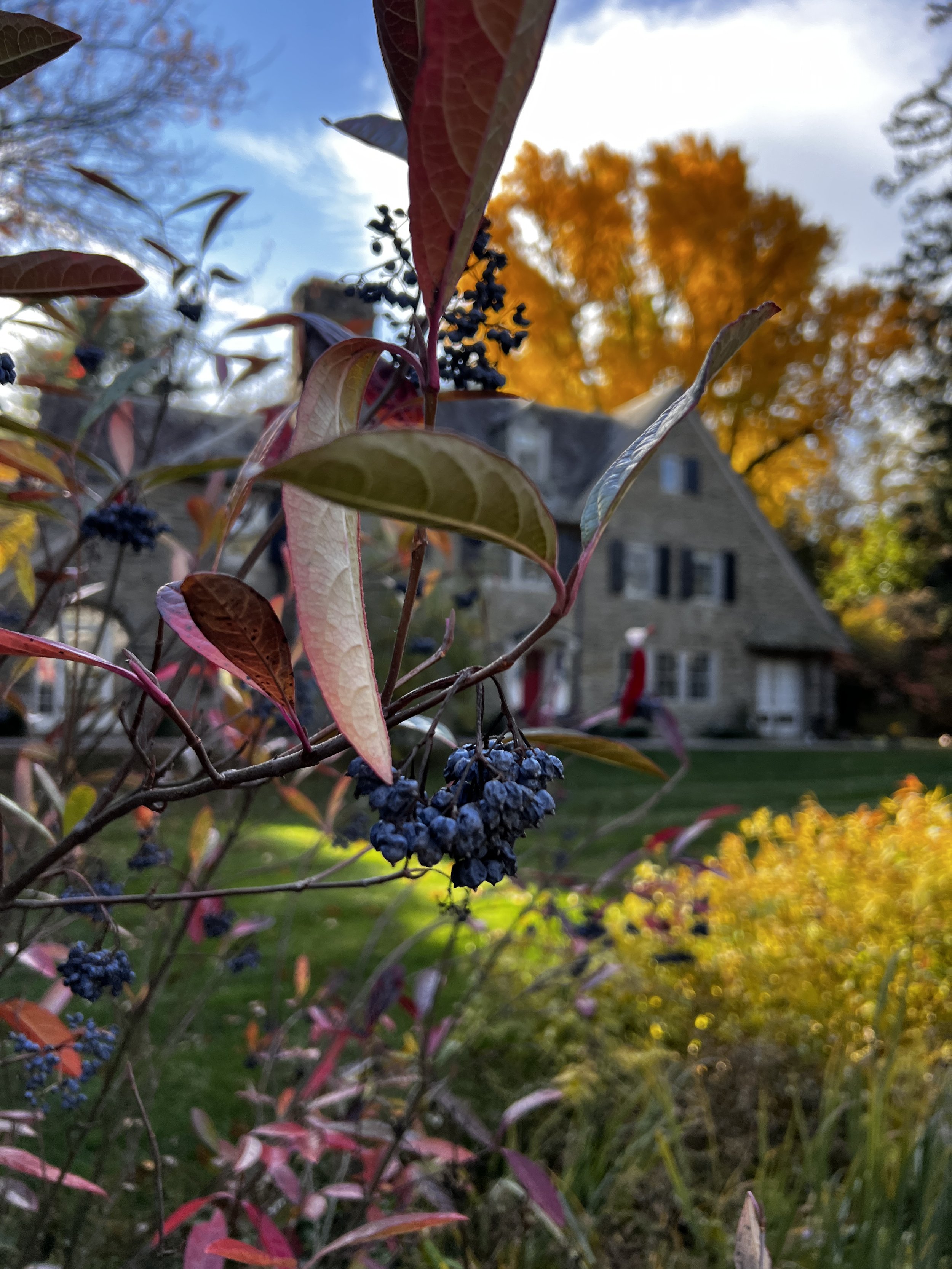
How Much Will My Landscape Design and Installation Cost? 5 Questions to Ask Before Starting a Landscape Design and Installation Project on the Main Line
Planning a landscape project in the Main Line or Philadelphia? Discover 5 key questions to ask before starting a landscape design and installation project. Learn how to define your goals, budget, and style for a beautiful, realistic outdoor space filled with native plants.
Beginning a landscape design project often starts with one big question: How much will my landscape design and installation cost? Many homeowners across the Main Line and the greater Philadelphia area know their current landscape is not meeting their needs, but are unsure about the aesthetic direction, project scope, or what investment is appropriate.
At Union Landscape Design, we help homeowners bring clarity to the process. By asking a few essential questions at the outset, you can define what is working, what is not, and what kind of outdoor experience you truly want. These questions also help us match your goals to the right project scale and budget, ensuring a design that is both beautiful and realistic.
What challenges or problems exist in your current landscape?
Many landscape projects begin with frustration. Poor curb appeal, overgrown plantings, awkward layouts, lack of privacy, or outdoor spaces that feel underused are common concerns in Main Line and Philadelphia homes. Identifying what is not working helps us focus on solving the issues that matter most and ensures your investment addresses your top priorities.
How does your existing landscape differ from the vision you have for your outdoor spaces?
Homeowners often have a sense of what they want, even if the details are unclear. Maybe you want better flow for entertaining, a low-maintenance native plant garden, improved seasonal color, or more privacy. Understanding the difference between your current landscape and your desired outcome allows us to design a space that truly reflects your lifestyle and aesthetic preferences.
Are there areas of your property that are underused or not fully optimized?
Many properties have hidden potential. Shady corners, side yards, small patios, or outdated garden beds can often be transformed into functional and attractive spaces. By identifying areas that are not being fully utilized, we can create a cohesive landscape plan that maximizes your property’s potential while aligning with your budget.
What landscapes or sources of inspiration resonate with you?
Inspiration can come from many places. You may admire gardens in your neighborhood, photos saved from social media, or public spaces you have visited. Sharing these inspirations helps us understand the styles, plantings, and layouts you are drawn to. Whether you prefer naturalistic native plantings, modern clean lines, or a traditional Main Line aesthetic, these ideas guide the design process.
What is a comfortable budget range for your landscape design and installation?
Determining a budget early is one of the most important steps in a successful landscape project. Knowing your budget allows us to create a design that fits your comfort level and aligns with your goals. At Union Landscape Design, we offer transparent project budget packages so homeowners can select the investment level that works best for them. Discussing budget upfront removes uncertainty and ensures the final design is both achievable and beautiful.
Why These Questions Matter for Main Line and Philadelphia Homeowners?
These five questions form the foundation of a clear, predictable, and enjoyable landscape design process. They help you understand your goals, define your priorities, and choose a budget package that aligns with your vision.
For homeowners across the Main Line and Philadelphia region who want a landscape full of native plants, better functionality, and year-round beauty, answering these questions first ensures your project is thoughtfully planned, realistic, and satisfying from start to finish.
Explore our Pricing Packages to see real examples and find the right starting point for your project.
— Union Landscape Design
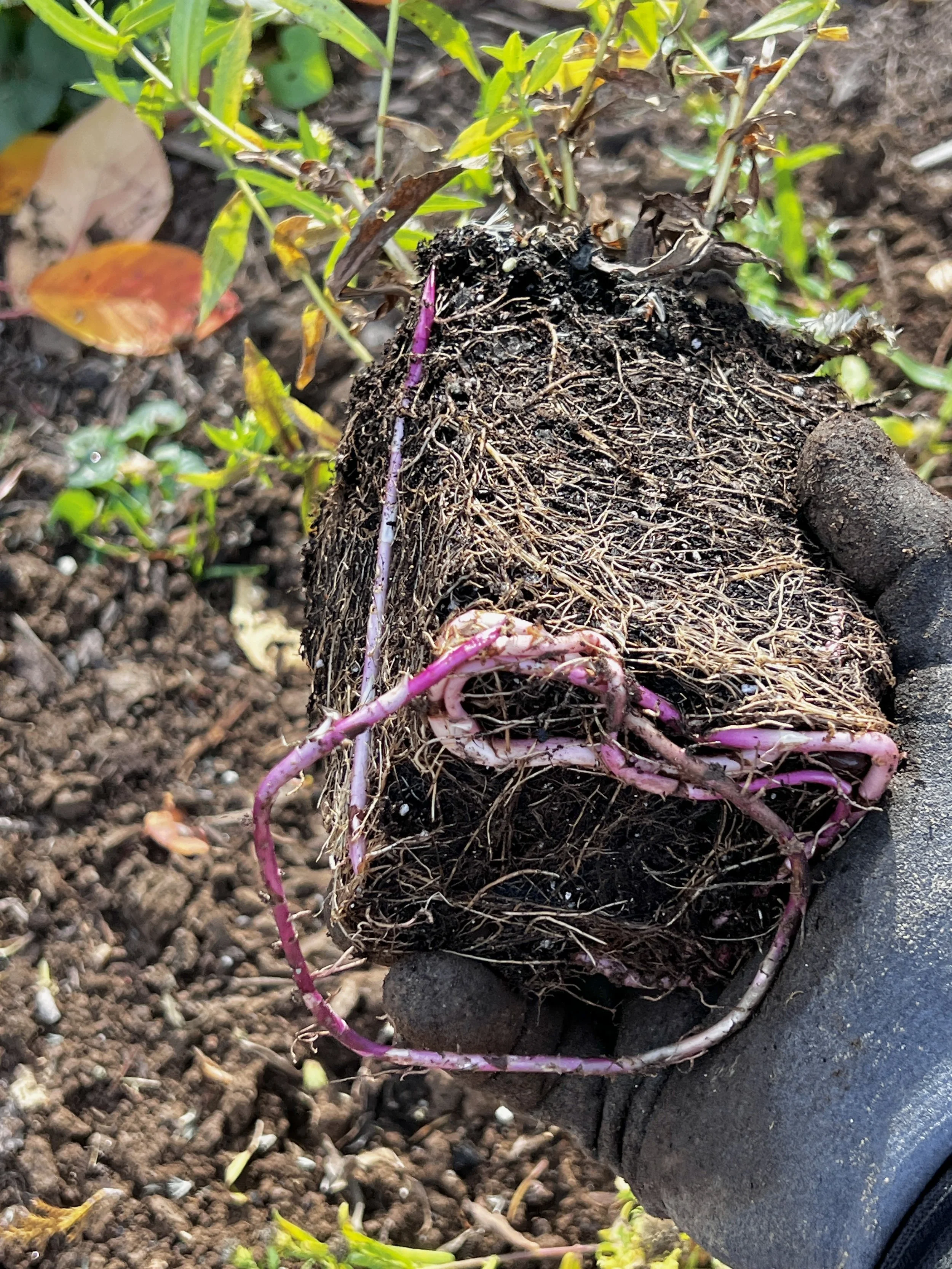
Planting in the Shoulder Seasons: Why Spring and Fall Are the Best Times to Build a Beautiful Garden
While summer is when gardens shine, the real work happens in the shoulder seasons of spring and fall when soil and weather conditions are ideal for planting and establishing strong, healthy landscapes.
When most people think of gardens, they picture the lush greens and bright blooms of summer. But behind every vibrant July garden is thoughtful planning and planting done months earlier in the quieter seasons of winter, early spring and late-fall. These shoulder seasons are the perfect time for creating lasting, low maintenance landscapes.
Spring and fall share mild temperatures, consistent moisture, and soils that are workable. In early spring, the ground is soft from winter snow and rain, ready to welcome new roots. By fall, the summer heat has eased, but the soil still holds warmth, encouraging plants to settle in before winter dormancy.
During these times, roots grow strong while top growth remains modest and prepares to go dormant. This allows plants to establish deeply and securely, setting them up for lush, resilient growth when summer arrives.
That full, thriving garden you admire in mid summer didn’t happen overnight. It’s the result of careful design and well timed planting earlier in the year. Spring and fall plantings give shrubs, perennials, and native grasses the time they need to adapt to their environment, ensuring they’ll be healthy and low maintenance for years to come.
At Union Landscape Design, we guide clients to take advantage of these natural rhythms. By planning in fall or early spring, we can install new landscapes at the perfect time so when summer arrives, your garden already feels mature, balanced, and beautiful.
If you’re planting in fall or early spring, here are a few of Union Landscape Design’s favorite choices that deliver color, texture, and seasonal interest for months to come:
Phlox subulata ‘Purple Beauty’ A durable groundcover with evergreen foliage and carpets of lavender purple flowers that bloom in early spring.
Amsonia ‘Grande’ A larger, more robust blue star that provides soft blue spring flowers and brilliant golden foliage in fall.
Penstemon ‘Husker Red’ Burgundy foliage with clean white flowers in early summer, pairing beautifully with native grasses and perennials.
Baptisia australis A long lived perennial with deep blue flowers in late spring and elegant seedpods that add structure through winter.
Amsonia ‘Starstruck’ Compact and upright with starry blue flowers and lush foliage that glows with amber tones in fall.
If you’re dreaming of a lush, sustainable landscape next summer, the best time to start is now. Whether you’re refreshing a small garden or designing a full property, planting during the shoulder seasons is the smartest investment you can make in your landscape’s long term beauty.
Explore our Pricing Packages to see real examples and find the right starting point for your project.
— Union Landscape Design
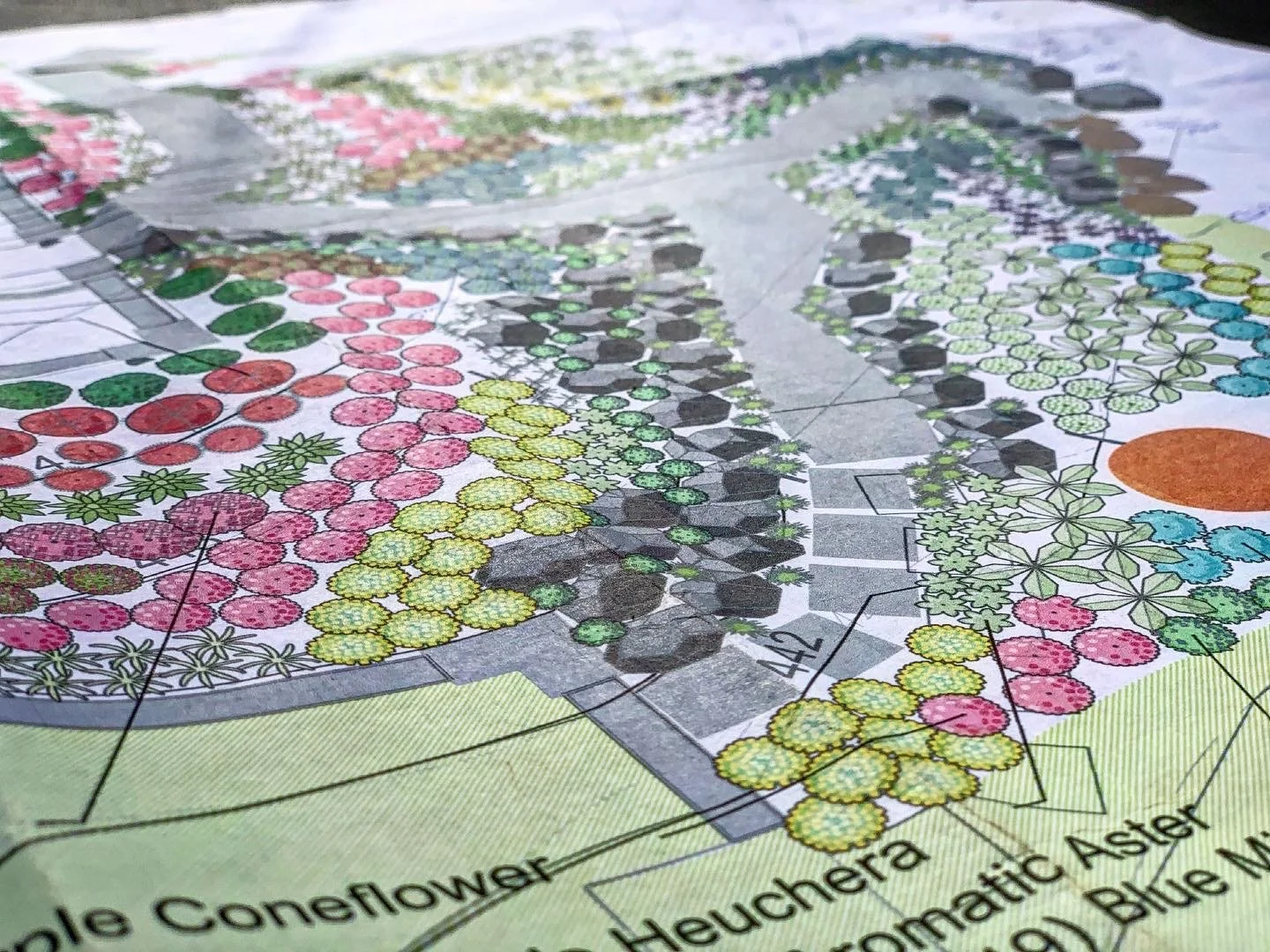
Clarity from the Start: How Our Pricing Packages Work
At Union Landscape Design, we help homeowners plan beautiful, low-maintenance landscapes with no budget surprises. Learn how our clear design and installation packages make it easy to choose the right scope and investment from the start.
When you’re planning a landscape project, surprises can be exciting — but not when it comes to your budget. At Union Landscape Design, we believe the process of creating your dream outdoor space should be clear, transparent, and enjoyable from the very beginning.
Many homeowners come to us knowing they want a beautiful, low-maintenance landscape filled with lush native plants — but they’re not sure where to start or how much it might cost. That’s completely normal. Designing and installing a landscape is a big investment, and we’re here to help you make confident decisions at every step.
Why We Use Pricing Packages
Our pricing packages were created to take the guesswork out of budgeting. Instead of designing first and then discovering that the installation costs more than expected, we start by identifying the best budget range for your property and goals. This ensures your design and investment are aligned from the start — no surprises later on.
Each package includes a flat design fee and a typical installation budget range, based on real projects we’ve completed. These ranges reflect different project scales, from small garden refreshes to full property transformations.
Our Design & Installation Packages
Small Garden – Design Fee $800 / Typical Install $5K–$15K
Ideal for front yard updates or intimate garden spaces.Medium Yard – Design Fee $1,200 / Typical Install $17.5K–$27.5K
Great for outdoor living areas with patios, lighting, and layered plantings.Larger Home – Design Fee $1,800 / Typical Install $28K–$45K
For complete property updates and more complex landscape designs.Custom Estate – Design Fee $2,400+ / Typical Install $45K+
Tailored for expansive properties and highly customized designs.
A Process Built for Clarity and Confidence
Initial Consultation – We start with a conversation about your goals, site, and how you’d like to use your outdoor space.
Select Your Package – Together, we identify the pricing tier that best matches your project’s scope and investment range.
Design Phase – We create a detailed plan that brings your vision to life, refining layout, materials, and planting design.
Installation & Enjoyment – With clear expectations set early, the installation moves smoothly and results in a landscape you’ll love for years.
Why It Works
By starting with the right budget range, we can design responsibly — selecting plants, materials, and features that fit both your goals and your investment. The result is a landscape that’s beautiful, low-maintenance, and full of life, with no hidden costs or last-minute surprises.
At Union Landscape Design, our goal is simple: to make the process of designing and building your landscape one of the most rewarding parts of owning your home.
Explore our Pricing Packages to see real examples and find the right starting point for your project.
— Union Landscape Design